US Blocks Visas for Some South Africans: What to Know

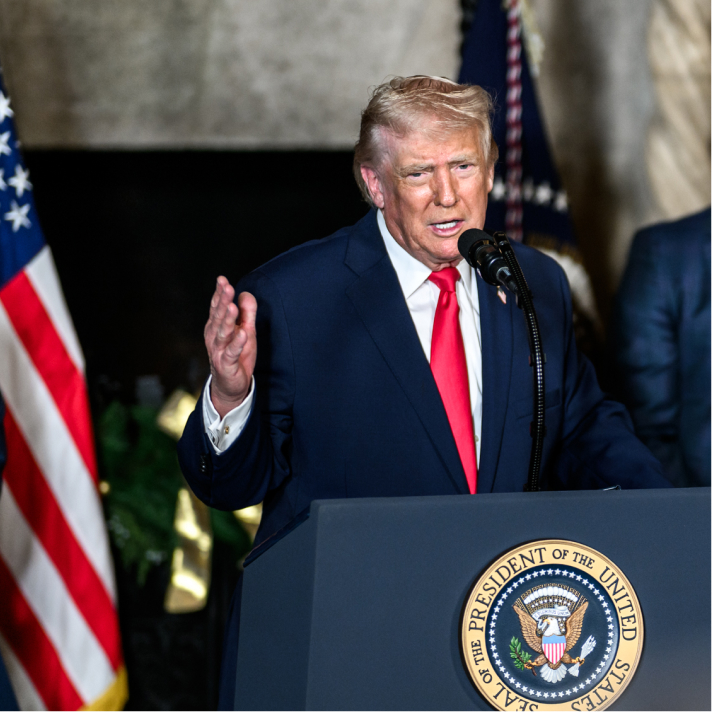
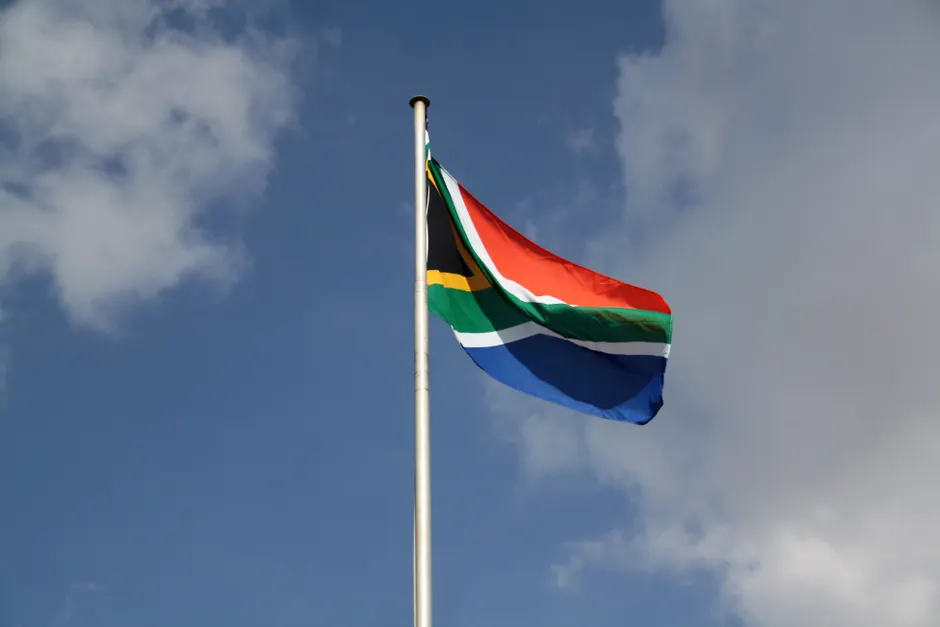
The U.S. says it will block visas for certain people from South Africa over U.S. claims that South Africa discriminates against white Afrikaners because of race. Secretary of State Marco Rubio announced the rule in a State Department statement on September 15, 2026. It was reported the next day. The Guardian
No names were made public. The announcement did not say exactly who is now barred from entering the United States.
Rubio said the rule covers foreign nationals who make or support policies that promote race-based discrimination, encourage violence, or allow land to be taken without payment in South Africa. The State Department based the rule on Section 212(a)(3)(C) of the Immigration and Nationality Act. That is the part of U.S. immigration law that lets the secretary block a noncitizen whose entry "would have potentially serious adverse foreign policy consequences for the United States." Some family members of targeted people may also be blocked. Its formal title is "Announcement of New Visa Restriction Policy Targeting Foreign Nationals Involved in Race-Based Discrimination." U.S. State Department
This visa rule follows other U.S. actions against Pretoria. The U.S. has cut aid to South Africa, kept South Africa out of the 2026 G20 summit in Miami, and started a refugee programme for Afrikaners and other South African racial minorities. The administration links the visa action to Executive Order 14204, titled "Addressing Egregious Actions of the Republic of South Africa." The State Department said South Africa had not adequately answered earlier U.S. concerns.
U.S. Ambassador to South Africa Leo Brent Bozell III said the visa rule is only the first step in a series of escalatory measures.
The broader context here is pressure built step by step. Think of it like closing different water taps that run at different speeds. Aid cuts hit money fast. Visa blocks work quietly, person by person, and worry spreads beyond those actually refused. Being kept out of the G20 is set to a date and mostly about message, but it changes who helps lead talks. Together, they aim to raise the cost of not complying without using wider economic sanctions now.
Looking at how this will work in practice, much is left to U.S. choice. The law gives the secretary wide power, and including family members widens it more. Without a public list or clear proof rules, governments, employers and schools cannot easily tell who is at risk. That secrecy has an effect. Officials may hold back for fear of being listed, while Pretoria cannot answer in a precise way. Courts and other countries will also have trouble, since they must guess U.S. intent from statements rather than a list.