Why the World Is Watching a Besieged City in Sudan

Why the World Is Watching a Besieged City in Sudan
On June 18, 2026, the UN Secretary-General issued a statement warning about intense fighting in El Obeid, a city in central Sudan. On the same day, 22 countries made a joint announcement at the UN Human Rights Council saying they were alarmed about the risk of mass atrocities there.
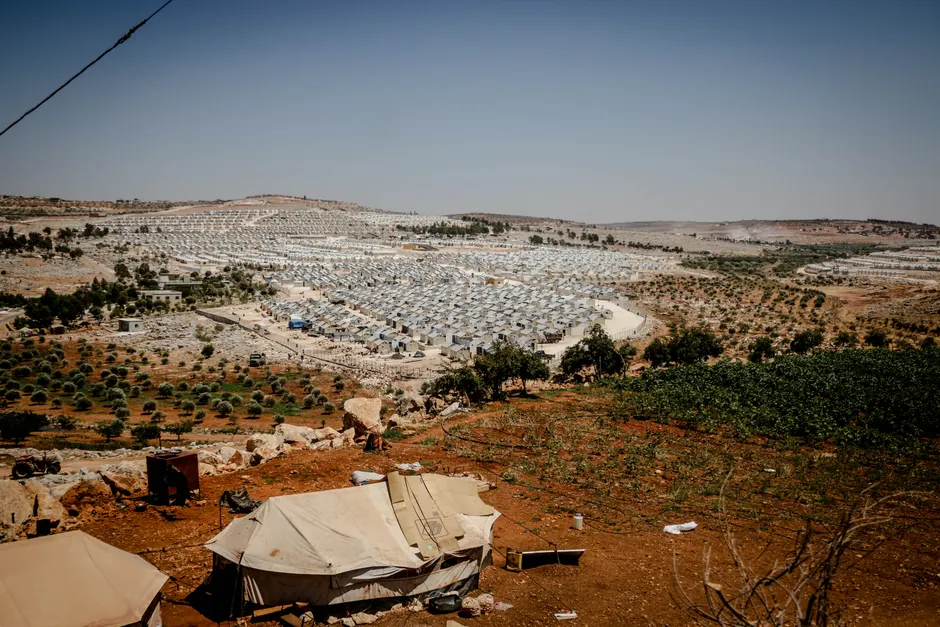
When both the UN's top official and a large coalition of nations speak out on the same day, it usually signals something planned — not just routine reporting. These two statements together amount to a coordinated push from the international community. That matters because El Obeid isn't just any city. It sits at the crossroads of supply routes that move goods across central Sudan. If fighting destroys it or cuts it off completely, people throughout the region would struggle to get food, medicine, and other essentials.
How We Got Here
Fighting in the Kordofan region — where El Obeid is located — has gotten worse over many months. By April 2026, international observers had already documented hundreds of civilian deaths in the city from indiscriminate shelling. That kind of attack on civilians counts as a war crime under international law, regardless of who ordered it.
The fighting started in April 2023 when two Sudanese military groups — the armed forces and a paramilitary group called the Rapid Support Forces — began battling for control of the capital, Khartoum. Since then, the conflict has spread outward. Drone strikes hit the Kordofan region in February 2026, bringing aerial warfare to areas that had been relatively spared before.
International officials had already sounded the alarm. In December 2025, the UN's top human rights official said Kordofan could become "another El Fasher" — a reference to another Sudanese city that has been under siege, with mass civilian deaths. That comparison isn't casual. El Fasher remains besieged, and several governments have said what happened there amounts to genocide. When the UN warned that El Obeid could face the same fate, it was drawing a line from a known catastrophe.
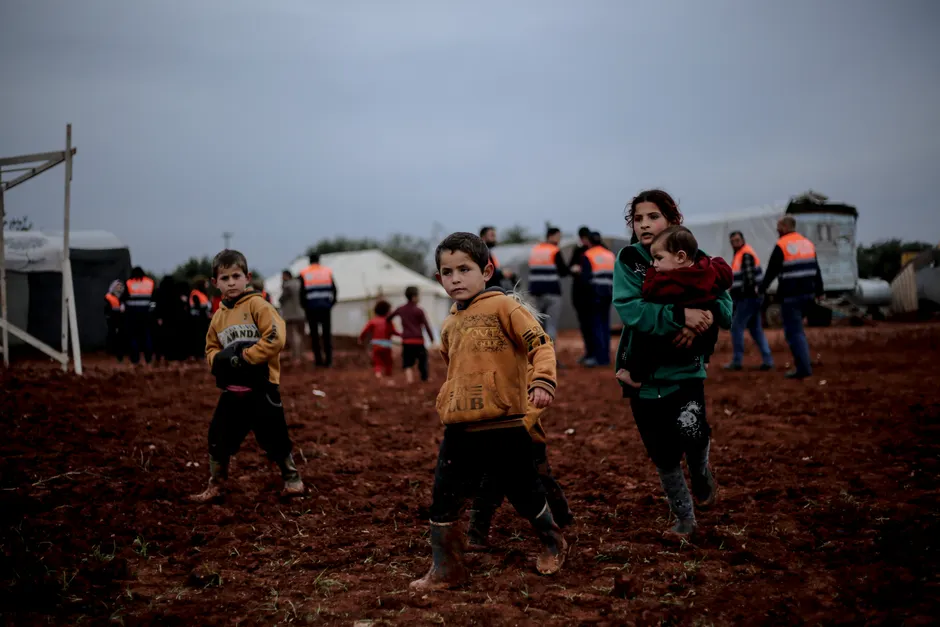
Around the same time, the International Organization for Migration reported that thousands of people in the Kordofan region were already fleeing their homes as fighting intensified toward El Obeid.
What International Statements Actually Accomplish
When 22 countries speak together at the UN, it carries weight. It creates an official record that UN investigators can use, and it makes it harder for Security Council members (who have veto power) to protect either side from scrutiny. But there's a catch: statements don't have the force of law. They don't stop fighting.
Both the armed forces and the Rapid Support Forces have ignored international condemnation for three years. They have repeatedly attacked hospitals, markets, and water systems — sometimes by accident in chaotic warfare, sometimes deliberately. The U.S. Secretary of State has said new atrocities occur every day. Neither side has changed its tactics in response to diplomatic warnings alone.
What has worked in other conflicts — strict weapons embargoes that are actually enforced, sanctions that freeze the bank accounts of military commanders, or referrals to the International Criminal Court — are largely missing in Sudan. International conferences have produced statements acknowledging the deaths, but not binding agreements to stop fighting or mechanisms to hold leaders accountable.
The practical question is simpler: will the world's attention on El Obeid translate into actions that actually change what's happening on the ground? The answer will probably emerge in the coming weeks.
For now, what June 18 did was place El Obeid formally on the agenda of the international system. Whether that becomes anything more than a record is what comes next.