Why 200,000 People Are Fleeing Their Homes in Sudan Right Now
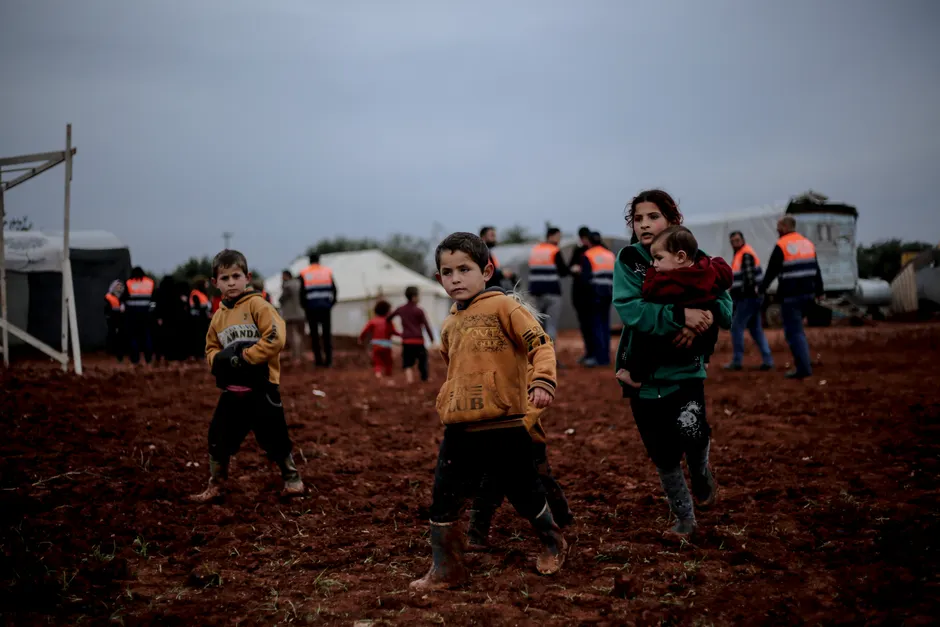
More than 200,000 people have been forced to leave their homes in Sudan's Kordofan region since late 2025. Two things are driving them out at the same time: heavy fighting between two rival military groups, and seasonal floods. The International Organization for Migration (IOM), a UN agency that tracks people on the move, issued the warning. Its Director General Amy Pope said the warning signs about Sudan's displacement crisis are "impossible to ignore" (Al Jazeera).
This is not one crisis but several happening at once. Fighting, destroyed roads and power lines, and natural disasters are all making each other worse across several parts of the country.
In North Kordofan, the displacement is concentrated around El Obeid, the state capital. The number of displaced people in the Sheikan district, which includes El Obeid, jumped 25 percent in eight months, according to IOM. Before the war, about 750,000 people lived in El Obeid. Now, an estimated 3.4 million people are packed into the city, per Sudan Tribune, because it is one of the few working cities left in the area. Save the Children reported that nearly 39,000 children arrived in El Obeid in just the first six months of 2026. The World Food Programme warned in July that El Obeid is becoming the new epicentre (the centre point) of Sudan's displacement and hunger crisis (ReliefWeb).
The city cannot handle this many people. Fighting and drone attacks have damaged El Obeid's main power transformer, knocking out electricity needed to pump water, run hospitals, and keep phone lines working, according to IOM. Al Jazeera's Almigdad Alruhaid reported that drones from the Rapid Support Forces (RSF) have been attacking army vehicles, fuel trucks, and cargo trucks on the main road into El Obeid. That road is the city's lifeline, and it is now nearly cut off. The RSF holds positions south and west of the city and keeps attacking nearby villages. UNHCR, the UN refugee agency, warned as early as October 2025 that a siege of El Obeid was possible, noting tens of thousands of displaced people were already trapped there (UNHCR).
The displacement goes beyond Kordofan. In Blue Nile state, about 78,000 people have fled their homes. In West Darfur, about 18,000 people were displaced in the first half of August. In North Darfur's Tawila area, heavy rains damaged nearly 1,350 homes and displaced more than 1,000 families, according to the UN (Al Jazeera).
The UN's emergency aid office, OCHA, reported on August 19 that the fighting and floods together drove the 200,000-plus people from their homes. OCHA also warned that the closure of the Red Sea and Strait of Hormuz (a narrow waterway between Iran and Oman) threatens aid deliveries to Sudan (ReliefWeb). This creates a two-sided squeeze on getting help to people. Most international aid enters Sudan through Port Sudan, a city on the Red Sea. But shipping lanes to that port are threatened by the Red Sea disruption. Meanwhile, the roads through Kordofan are being attacked by drones.
The overall scale of the war is enormous. Since fighting began in April 2023 between the Sudanese Armed Forces (SAF) and the RSF, an estimated 59,000 people have been killed. About 8.6 million people have been displaced inside Sudan, and more than 4.2 million have fled to neighbouring countries. About 33.7 million people in Sudan need humanitarian assistance, according to the UN.
This displacement in Kordofan has been building for months. UNHCR data show that close to 65,000 people were displaced across Kordofan by mid-January 2026. The IOM recorded about 88,300 people displaced from South and North Kordofan between October 25, 2025 and January 15, 2026. By March, fighting along the Kadugli-Dilling road in South Kordofan and near El Obeid was pushing people into White Nile State. Violence in El Obeid increased significantly in June, according to UNHCR. In early August, OCHA confirmed that continued fighting in North Kordofan was driving people toward El Obeid and toward Khartoum, and reported women and children lining up for safe drinking water as the conflict cut off water access.
What this means for the future is deeply concerning. The combination of military pressure on El Obeid, crumbling infrastructure, and flood damage across Darfur suggests the aid system is nearing a breaking point. The city's population grew from 750,000 to 3.4 million without matching increases in water, power, or medical care. The WFP calling El Obeid a new epicentre, together with the IOM displacement figures, points to the crisis shifting southward from Khartoum and Darfur into Kordofan. If the RSF tightens its grip around the city and supply roads stay cut, the conditions for large-scale deaths from disease, dehydration, or starvation are building up.
OCHA has also issued an El Niño preparedness alert for Eastern Africa in August 2026. El Niño is a natural climate cycle that warms Pacific Ocean waters and can cause extreme weather around the world, including heavy rains. That adds the possibility of even more flooding and displacement to a crisis that is already spiralling.


