Who Will Judge TechCrunch's 200-Startup Contest This Fall?
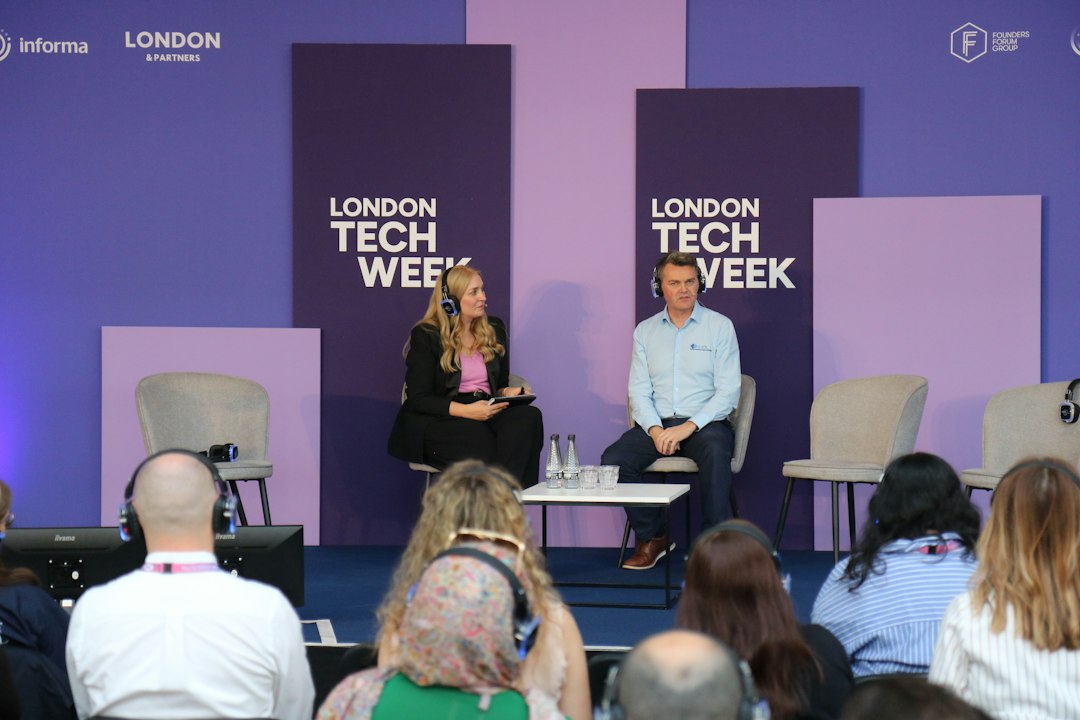
TechCrunch has named five more investors to judge the Startup Battlefield 200 at Disrupt 2026, planned for October 13-15 at Moscone West in San Francisco. TechCrunch
One judge is Aditi Maliwal, general partner at Upfront Ventures. She funds very young companies at pre-seed and seed, the first rounds of funding. She focuses on money technology, business software, AI apps and tools for software builders. Her past investments include Clair, Writer, Arcade and General Translation. She earlier worked at Google and Deutsche Bank and led the Series A investment in Chime at a prior firm. She is Upfront Ventures' first San Francisco-based partner.
Another judge is Michael Palank, general partner at MaC Ventures. MaC Ventures is a majority Black-owned firm that funds young consumer and business companies. Palank earlier worked in Hollywood talent work at William Morris and Overbrook Entertainment.
The group also includes Nell Daly, co-founder and managing partner of Revenge Capital.
All judging for the Battlefield 200 will happen live on the Disrupt Stage. The field has 200 early-stage startups. TechCrunch had named a first group of five judges on September 10. TechCrunch Nominations for the 2026 contest opened in February. TechCrunch Disrupt 2026 is expected to bring together 10,000 founders, investors and operators.
The contest narrows like playoffs. Twenty teams are picked from the 200. Five of those pitch again on the final day before a new panel of judges. TechCrunch
The broader context for teams getting ready is what these judges will look for. They will look for early sales, a solid product, a strong team and fast learning. For money and business software, that means safety, easy setup and fit for buyers. For AI tools, that means careful testing, cost control and users who stay. For consumer ideas, that means finding users and keeping them.
In my view, pitching live matters more than it looks. Written plans can hide weak spots. Live questions bring them out. Founders who explain choices about systems, data and price in plain words tend to do better. Even teams that do not move on get useful notes from investors who fund companies at this age.
In my view over the longer term, the real gain is not the prize. It is the work it forces. Two hundred teams and 10,000 attendees around working products push builders to say clearly what they made, who it helps, and what it could make possible.