Five New Judges Join a Big Startup Contest in San Francisco

TechCrunch has added five more startup investors as judges for the Startup Battlefield 200 at TechCrunch Disrupt 2026. TechCrunch
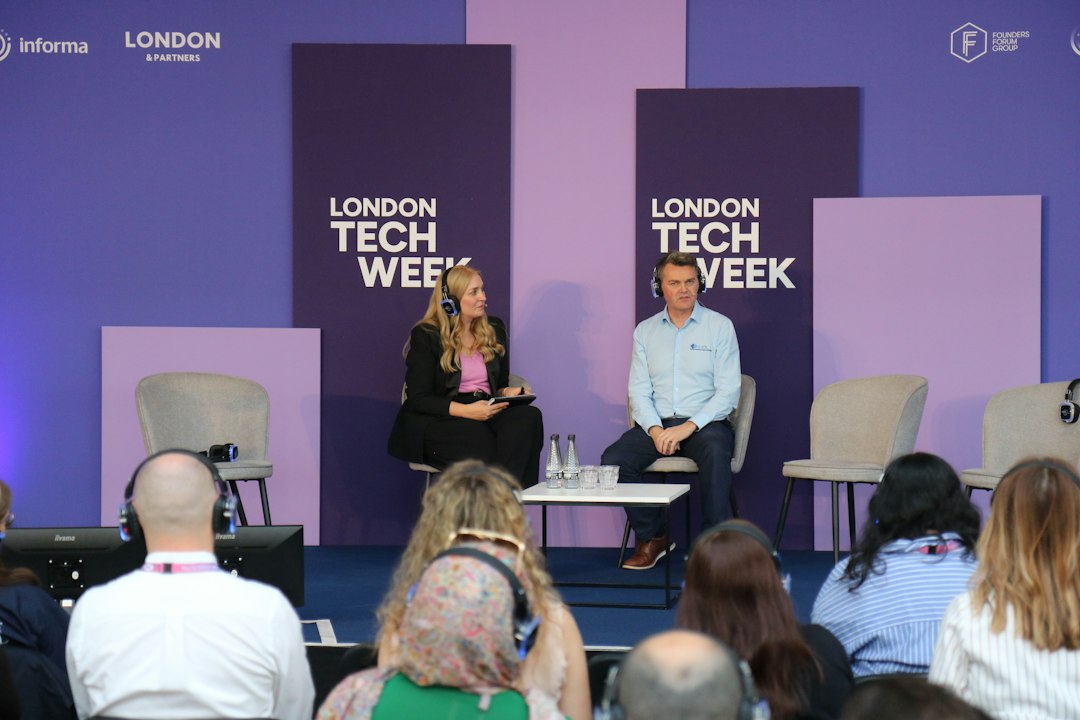
The 200 chosen startups will show their work, meet investors and compete at Disrupt 2026. Judging will happen on the main stage. That puts young companies in front of working investors, not in side rooms.
After the September 28 announcement, 20 judges have been named. TechCrunch said the final five judges will be named later. They will pick the final winner of the $100,000 prize and the Disrupt Cup. The prize is equity-free, so winners do not give up part of their company.
Disrupt 2026 will run October 13-15 at Moscone West in San Francisco. TechCrunch More than 10,000 tech leaders are expected, along with startup founders and investor judges. TechCrunch TechCrunch had listed September 25 as a registration deadline for Disrupt 2026.
One of the new judges is Caleb Appleton, Partner at Bison Ventures. He focuses on physical AI, meaning AI that works in the real world, in tech-driven biology, robotics and real-world intelligence. That includes lab work, hardware and practical machine learning.
Earlier judges included Janelle Teng Wade, Partner at Bessemer Venture Partners, and Puneet Agarwal, Managing Partner. Both were named in the first group on September 10. TechCrunch
Startup Battlefield has hosted thousands of young startups over the years. Founders pitch to top investors at Disrupt. The winner gets prize money and the Startup Battlefield Winner title.
The broader context here helps if you think of pitch contests as advertising. Battlefield judging is more like a tough job interview. Questions focus on what makes the technology hard to copy, how the company will find customers, and how carefully it spends money. Judges test if a company can handle big-customer buying rules, government rules and hiring limits.
In my view, the judges matter more than the prize money. $100,000 without giving up ownership is helpful, but meetings and advice from investors who see hundreds of startups matter more over time. Founders should look at the judge list to see which topics will get serious attention, and bring clear proof.
Looking at what this means for preparation, teams working on physical AI, robotics and biology should expect questions on data, safety tests and running costs, not just how smart the model is. Business and tech-support teams should expect questions on the cost of running AI, how hard it is to install, and security. Clear answers on customers, price and technical edge beat big claims about market size.
For the wider ecosystem, this public test helps even teams that do not move forward. It forces clear talk about design choices, costs and risks in front of people who face those choices daily. Teams that use it well often leave with better plans, more investor contacts and a clearer idea of what to build next.