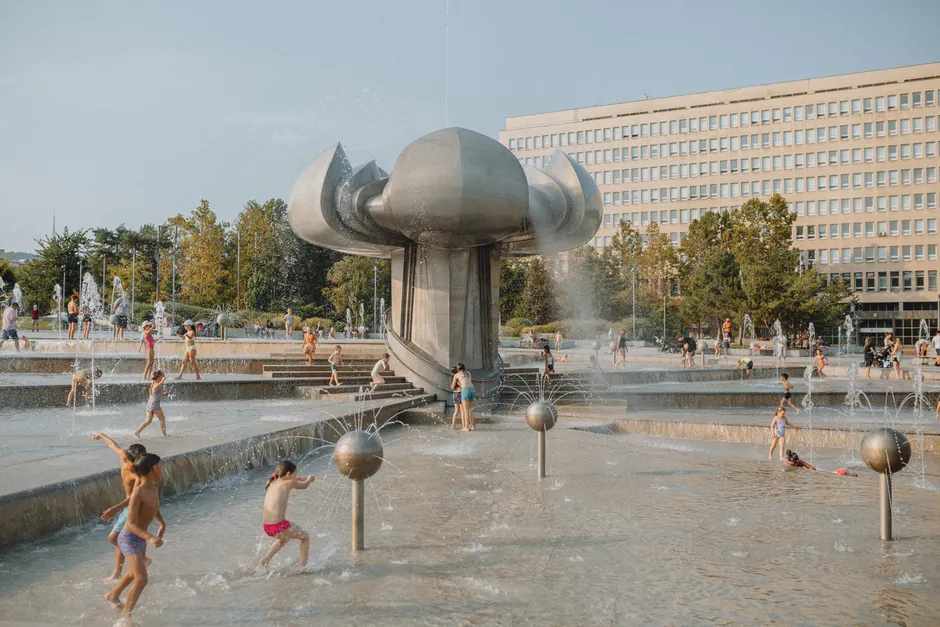
France Sounds Heat Alarm as Second Major Heatwave Hits

On June 19, 2026, France issued orange-level heat alerts across multiple regions as a second major heatwave swept through western Europe that year. President Emmanuel Macron publicly urged the public to stay alert, according to The Guardian.
France uses a four-level warning system for heat: green (safe), yellow (caution), orange (dangerous), and red (emergency). Orange means conditions are serious enough to require coordinated action — cooling centres open, hospitals prepare for emergencies, and social services check on vulnerable people. Parts of France got orange alerts on June 18; the warning expanded on June 19. The highest level, red, had already been issued on June 12, signalling that dangerous heat had been building for over a week.
Temperature records tell the story. In Tarascon, in southern France, the overnight temperature hit 26.8°C — the highest June night temperature ever recorded there. Why does an overnight reading matter? Because our bodies need cool nights to recover. When it stays hot around the clock, heat stress builds up in the body and becomes dangerous. This is what happened during France's catastrophic 2003 heatwave, when thousands of elderly people died.
Seven people died from heat-related causes by May 26, 2026 — even before this June event fully developed. That number will likely go up as health agencies complete their investigations over the coming weeks.
Here's what makes this moment different: Spring 2026 was France's warmest spring ever recorded. Now, in mid-June, a second major heatwave has arrived without much break in between. Normally, people and systems get weeks of moderate weather to rest. This time, they are heading into summer already exhausted by heat.
France learned hard lessons in 2003. An estimated 15,000 people died in that heatwave — mostly elderly people living alone — because the country was unprepared. After that disaster, France built a national heat response plan, created the alert system, and required local governments to keep lists of vulnerable residents. These safeguards are in place today. But a record warm spring followed by back-to-back heatwaves tests systems that were designed to handle one major heat event at a time, not heat that never really stops.
When the president speaks publicly about heat emergencies, two things happen. First, it sends a message down the chain: local officials open cooling centres, hospitals ready themselves, and social workers reach out to vulnerable residents. Second, it shows leadership from the top — a lesson from 2003, when the absence of clear national leadership made things worse. What actually happens on the ground, especially in rural areas and for people not formally registered for help, will be measured in the death statistics.
Heat seasons in western Europe are getting longer and more intense — that is already documented in scientific research and official weather records. For officials responsible for emergency planning and public health, the 2026 pattern in France — the warmest spring, an early red alert, expanding orange alerts by mid-June — is a warning about what may come more often. The question is no longer if this will happen again, but how frequently and how intense it will get.