France Is Having Two Heat Waves Before Summer Even Starts — Here's Why That Matters

France is about to go through its second dangerous heat wave in less than a month. Temperatures are expected to hit 40°C (104°F) or higher on June 21, according to France 24. President Emmanuel Macron has already warned about the danger.
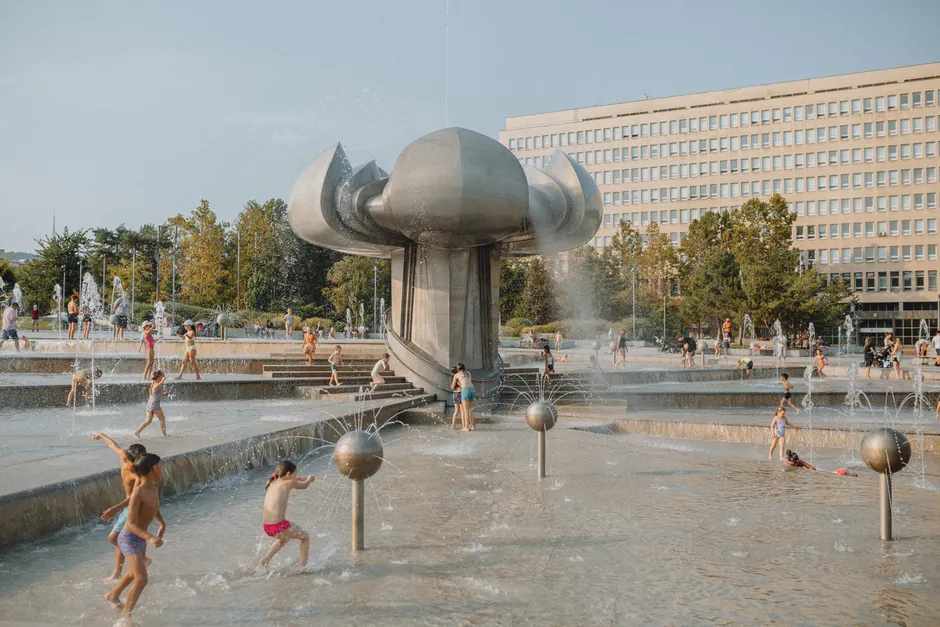
The first heat wave came just weeks earlier, pushing temperatures into the high 30s across much of the country — roughly ten degrees hotter than normal for June. Schools had to make quick changes: some moved up their summer breaks, kept kids indoors during the hottest parts of the day, or closed entirely. These are measures France usually only takes in July or August.
The real problem is the timing. France's heat emergency plan was designed around those traditional July and August peaks. No one expected two dangerous heat waves to arrive before summer officially begins on June 21.
Farmers are being squeezed
The farming sector faces a particular squeeze. Farmers across the Loire Valley and Provence are confronting crop stress weeks earlier than expected, according to France 24. Soil is drying out faster than normal. The decisions farmers usually have weeks to make — about watering crops and when to harvest — now need to happen right away, all compressed into days.
This matters beyond French borders. France produces more agricultural output than any other European Union country. If grain and fruit yields suffer over the next few weeks, food prices across Europe could rise. Traders and agricultural companies are closely watching updates from MATIF futures markets and crop condition reports.
What the government is doing
President Macron has been emphasizing France's shift toward cleaner energy for months. In late May, he held a major meeting with industrial leaders to push for faster electrification of the economy — framing it as both a climate goal and a way to protect France's economic independence. He brought up the same theme at a G7 meeting on June 18, just as the second heat wave was building.
But the government hasn't announced new emergency measures specifically for these heat waves. Instead, it's relying on systems already in place: regional heat alerts, guidance to local governments, and the national heat plan created after a devastating 2003 heat wave that killed about 15,000 people in France. Whether these tools are strong enough for a world where extreme heat arrives twice before summer even starts is an open question.
The deeper issue
Scientists can now say with confidence that climate change is making these heat waves more likely and more intense. Higher average global temperatures mean extreme heat days happen more often and can bunch together.
For officials managing cities and protecting people right now, the real question isn't whether climate change is to blame — it is. The question is how fast extreme heat days are becoming common compared to what buildings and infrastructure were designed to handle.
Most French buildings aren't built for sustained extreme heat. Very few have air conditioning, unlike countries further south in Europe. Older apartment buildings hold heat rather than shed it, which is a serious problem during a heat wave. The European Union is pushing building renovations to improve this, but that will take decades.
For June 21, the tools available are the immediate ones: opening cooling centers, checking on elderly people living alone, and getting information to the public about how to stay safe. Macron is right to call for caution now.
But there's a bigger gap emerging. What's possible with current emergency systems works for a crisis that happens once or twice. It's less clear whether those same systems can handle a future where dangerous heat becomes routine, arriving multiple times each summer. The next few heat wave seasons will test whether France's approach is truly adequate.