Bolt and Lucid Want to Bring 25,000 Driverless Taxis to Europe

Lucid and Bolt are teaming up to build driverless cars for Europe. Bolt plans to put at least 25,000 fully self-driving Lucid cars in big European cities. Engadget Reuters
Bolt is a car-sharing company from Estonia. U.S. News It plans to own and run the Lucid cars itself. That plan is part of a bigger goal of 100,000 self-driving cars on its service by 2035.
Bolt has not said when the cars will start picking up passengers. Reuters first reported the 25,000-car plan on September 17, 2026.
The car and the schedule
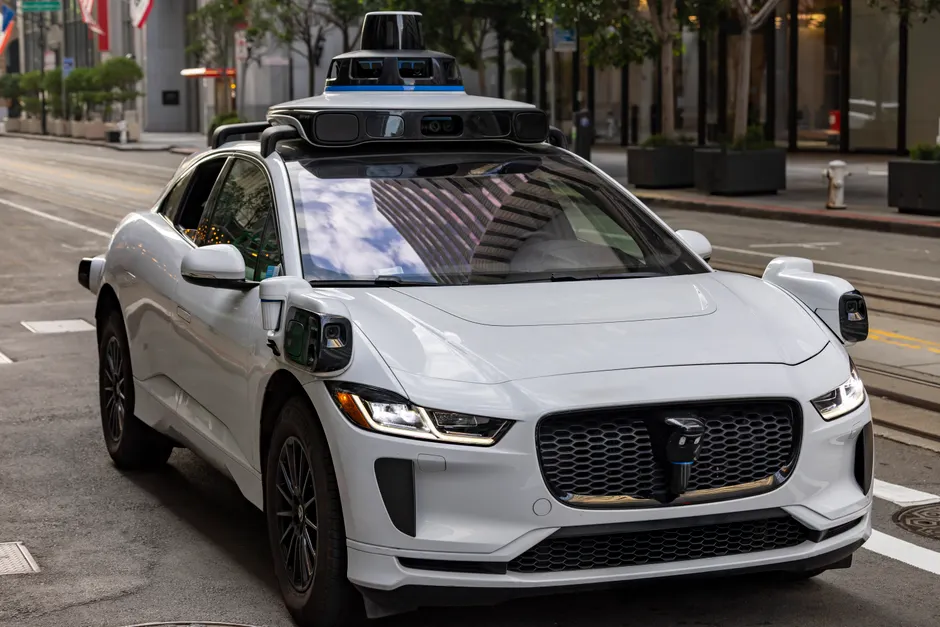
The car is being built for Level 4 driving. That means it can drive on its own, with no one behind the wheel, but only in certain approved areas. Think of it like a train that can steer itself anywhere, but only inside its own network. It will use Lucid's midsize platform, the basic frame shared by future Lucid cars, and will likely use NVIDIA's Hyperion system, the computers, cameras and software that do the driving. Engadget Lucid has already shown an early two-seat robotaxi based on that same frame.
That frame is not yet being built in large numbers. Lucid pushed back its Cosmos SUV, the first car using that frame, to early 2027. Lucid also cut about 18 percent of its jobs.
The US project for comparison
Lucid has a separate self-driving taxi project in the United States with Uber and Nuro. Under that deal, Uber plans to use 35,000 Lucid robotaxis in the US. Nuro has started testing the Lucid Gravity robotaxi with a safety driver on board in Houston and the San Francisco Bay Area.
The broader context here is Lucid is trying to use one basic car design in many ways. That design is meant to support a family SUV, a two-seat taxi idea, a US project with Uber and Nuro using the Gravity, and now a European project with Bolt. Sharing the design can lower costs across all of them. It also connects them. A delay to the first car, like Cosmos to early 2027, makes timing less certain for the self-driving versions, even when partners supply the driving system.
Looking at what this means for everyday use, who owns the cars matters. Bolt owning and running them means no resale, and one company handles how often cars are used, charging, cleaning, repairs and keeping cars available. In my view, that setup fits city services that run in set areas, where success depends on keeping cars on the road each day. No start date was given. That gap matters. These fleet numbers are buying plans for now, not cars already on the street.
In my view, the hopeful part is reuse. Twenty-five thousand cars means depots, spare parts, repair crews and approval in each city. Bolt's goal of 100,000 self-driving cars by 2035 makes the Lucid share a first part rather than the final total. US testing still uses a safety driver, which shows how much checking is left before large numbers can run with no one behind the wheel. If the same frame and Hyperion system can work in the US with Uber and Nuro and in Europe with Bolt, costs can be shared across more cars and more miles. That is how self-driving travel gets cheaper to build and run. The job now is testing and proving the system inside set areas, not building a whole new car.