Lucid and Bolt Want Driverless Taxis in Europe
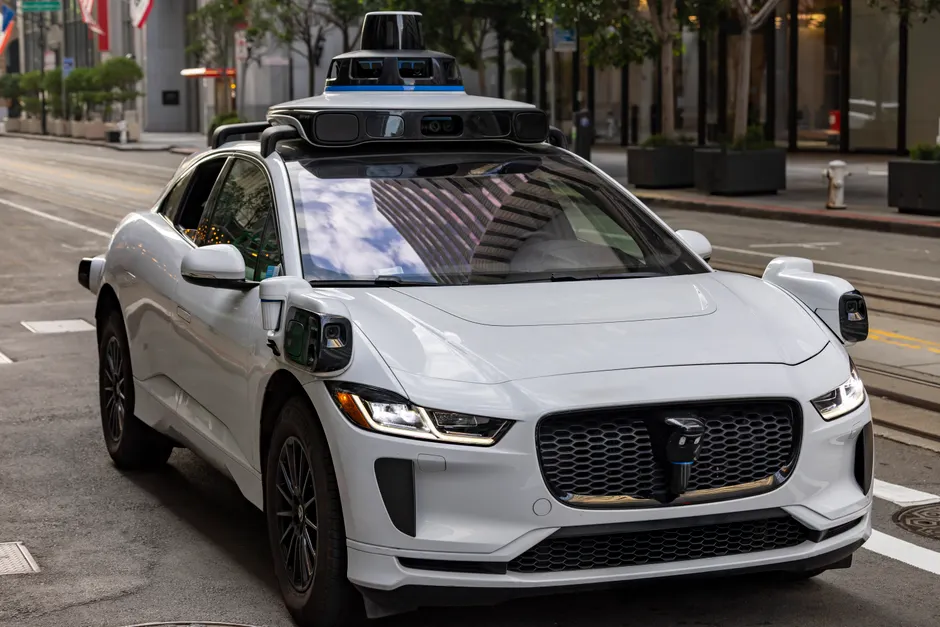
Lucid Motors and Bolt plan to build driverless taxis for Europe. The agreement was reported on September 17, 2026.
Bolt wants at least 25,000 cars with no driver, built on Lucid's future mid-size electric car. That car is meant to be smaller and cheaper than Lucid's current cars. Bolt would own the cars and run the service itself. TechCrunch
Lucid and Bolt will work together from the early design stage. The goal is a car that is ready for self-driving from day one, like a house built with the right wiring in the walls. The cars will use Nvidia's Hyperion system, the onboard computer plus cameras and other sensors.
The companies did not say who will make the software that actually drives the car. The car and the computer are needed parts. The tested driving software is a separate part.
The business terms are light. No money has changed hands. Bolt has not ordered any cars. No public date for service was given.
Bolt called the deal a major step toward its goal of 100,000 self-driving cars on its platform by 2035. Lucid shares rose 5.5% in premarket trading on September 17, 2026. The Star Lucid Group, Inc. trades on NASDAQ under the ticker LCID.
The Bolt plan sits beside Lucid's U.S. work with Uber and Nuro. The three are building a factory-made robotaxi, shown at CES in Las Vegas. That program plans at least 20,000 cars, with a first launch targeted for later in 2026 in a major U.S. city that has not been named. Bloomberg Other company material points to service in Houston in 2027 with Uber and Nuro.
The broader context here is who does what. Lucid would supply the car body made for self-driving. Bolt would supply riders and daily fleet work. Nvidia would supply the computer and sensors. A software maker would still need to close the loop.
In my view, the missing details show what this is. A 25,000-car goal with no order, no money paid, no software maker named and no date is a plan to develop together, not a purchase. That is normal for a car that does not exist yet. The hard work of joining the parts and proving safety is still ahead. Worth flagging are the things to watch: who makes the software and where and when it is allowed to drive, how Hyperion fits with the car's power and cooling, and whether Bolt owning the fleet changes cleaning, charging, repairs and crash response compared with a marketplace model. If those pieces fit, a cheaper Lucid car made for self-driving could give Europe taxis built for the job rather than adapted passenger cars, and give Lucid a second fleet outlet beside the U.S. program.


