A Vaccine Is Stopping Cervical Cancer Before It Starts—If More People Take It
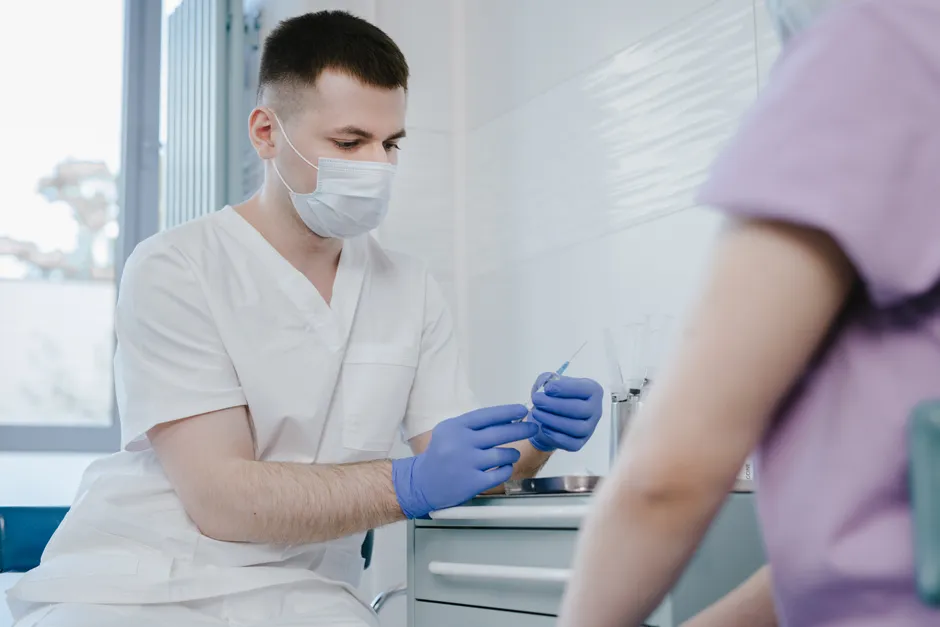
HPV vaccination in England has prevented an estimated 448 cases of cervical cancer in women under 30, according to NHS data covering 2016 to 2019. This is the first clear proof that the vaccination programme, which has been running for nearly two decades, is actually preventing cancer.
Here's the basic story: cervical cancer is caused by a virus called HPV. The vaccine stops the virus before it can turn into cancer. More than 99% of cervical cancers are caused by high-risk HPV types, so the vaccine tackles almost all the risk. The version now used in the UK covers more than 90% of the HPV types that cause cervical cancer. New research from February 2026 shows that women who are vaccinated need fewer cervical cancer screening tests — they're that well protected.
A large study published in February 2026 followed over 365,000 girls and women. About 40% of them had received at least one dose of an earlier HPV vaccine. The study found 930 cervical cancer cases across the whole group. That earlier vaccine was less effective than the one used today, so the protection we're seeing now is actually the lower bound — the newer vaccine should do even better.
Why Not Just Vaccinate Everyone?
So far, it sounds simple: give everyone the vaccine and cervical cancer goes away. But it's not that straightforward yet. The World Health Organization says you need three things to eliminate cervical cancer: get 90% of girls vaccinated, screen 80% of women, and treat early problems fast. These targets are doable, but England hasn't reached them.
Right now, 76.7% of girls and 71.2% of boys in England have had the HPV vaccine. Both numbers fall short of the 90% target the government is aiming for by 2036.
The vaccine is offered to children aged 12 and 13 at school, during their second year of secondary education. School is where most vaccination programmes happen because it catches young people before they become sexually active — when the vaccine works best — and it reaches everyone regardless of family income or background. The gap between current coverage and the 90% target comes from the usual reasons: some parents are hesitant about vaccines, some children miss school, and some slip through the cracks administratively.
Meanwhile, cervical cancer screening — the test many women get regularly — still saves lives. The current screening programme stops an estimated 70% of cervical cancer deaths, whether women were vaccinated or not. The NHS still recommends vaccinated women attend screening, because the vaccine does not protect against every HPV type that can cause cancer.
What Happens Next
The 448 cancers prevented is particularly significant because it comes from women vaccinated with older vaccines. If uptake reaches 90% and everyone gets the newest vaccine, many more cancers could be prevented.
Whether that happens by 2036 depends on execution. The NHS will need to run catch-up campaigns, make sure doctors offer the vaccine, and recover the girls and boys who fell behind during COVID disruptions. The biology is settled — the vaccine works. The question is whether the health system moves fast enough to close the coverage gap.


