Why Iran's Leaders Can Come to New York Next Week — But With Limits

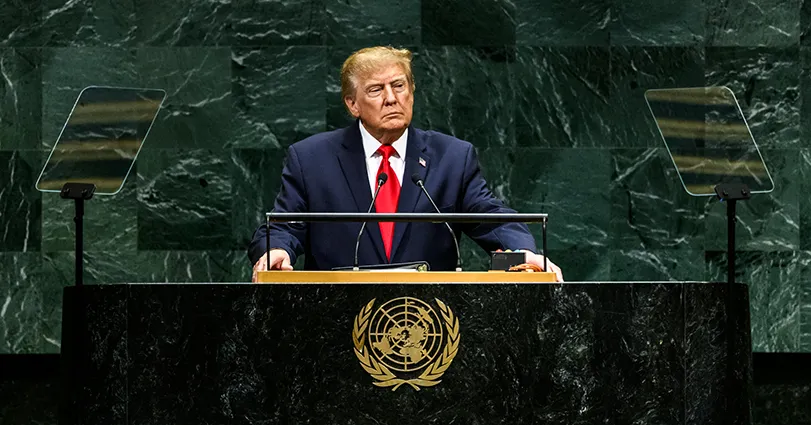
On September 17, 2026, the United States said Iran's top leaders can come to New York for a big U.N. meeting next week. The State Department said it will give visas to a small core group to enter the country for that meeting. Al Jazeera
President Masoud Pezeshkian and Foreign Minister Abbas Araghchi will lead the group. They will bring only essential staff and attend in person. The United States will allow only a scaled-down Iranian team. The permission is limited. Al Jazeera
The Iranian team will face tighter travel limits and a ban on luxury imports. The State Department said the core group can attend consistent with U.S. host country obligations. That means the U.S. has legal duties as home to U.N. headquarters, like house rules for hosting a meeting. Al Jazeera
The timing is tight. The 81st session of the United Nations General Assembly begins on September 8, 2026. High-Level Week runs September 22-29, 2026 in New York City. U.S. State Department
Visa decisions for Iranians traveling to the United States for official and high-profile trips have varied by event and by person. Iran's World Cup soccer players received U.S. visas to enter the United States, a U.S. official said. Reuters The United States denied a visa to Iranian Foreign Minister Mohammad Javad Zarif to attend a United Nations meeting. Reuters Iran's Fars news agency reported that the United States had denied visas to about 20 government officials hoping to attend the U.N. General Assembly. Reuters Separately, the United States will restrict visas for current or former Iranian officials who abuse or detain peaceful protesters. Reuters
The broader context here is how the United States uses its role as host. Entry is allowed, but size, movement and shopping have rules. Small teams cover fewer meetings. Travel rules limit where talks can happen. Import rules affect daily plans.
Looking at what this means for next week, this is controlled presence, not exclusion. With the president and foreign minister plus essential staff, Iran keeps a direct voice at the top with a much smaller team. That allows speeches and hallway talks and meetings tied to the Security Council. Experts will watch how the rules work in practice.
In my view, past decisions help explain this one. Earlier approvals and denials were specific to the event and the person, not one blanket rule. The World Cup case, the Zarif denial and the earlier denials each involved different travel. This adds another kind: small U.N. attendance with conduct-related visa limits in reserve. For other countries and lawyers, the message is steady rules, not a break.