Stocks Bounced Back, But Only a Few Stocks Did the Work
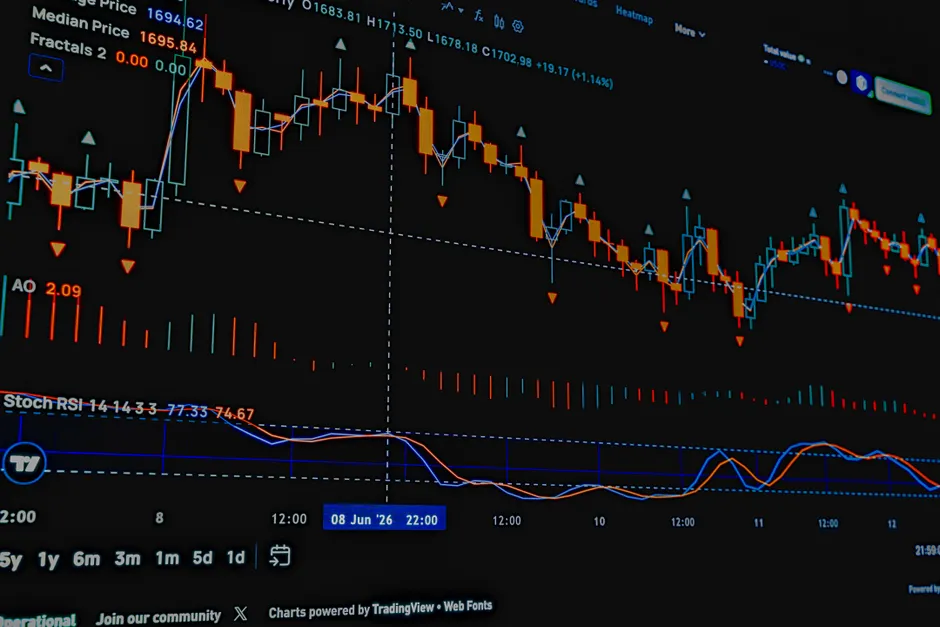
The S&P 500, a basket of 500 large U.S. companies, rose about 1% on Sept. 16. Stocks and bonds both recovered from a Fed-day drop as oil fell. A gauge of chipmakers, companies that make computer chips, climbed 3%. The 10-year Treasury yield, the rate the government pays to borrow for 10 years, declined. The session was described as 'Stocks, Bonds Rise After Fed-Day Drop as Oil Falls' Bloomberg.
The chip gain was larger than the broad-market gain. Stocks and bonds rose together.
Two earlier days give context. On June 30, the S&P 500 closed 0.8% higher in New York while the Nasdaq 100, 100 large companies tilted toward tech, jumped 1.7% Bloomberg. The Nasdaq gain was larger.
On Aug. 26, the Nasdaq 100 rose 1.4% and lifted the S&P 500 even as most S&P 500 stocks fell Bloomberg. The headline number rose. Most stocks did not.
The broader context here is who did the work. When borrowing costs fall while stocks rise, fast-growing companies get a double boost. Future profits look worth more today, and buyers will pay more for them. Think of the market like a basket where the biggest companies weigh the most. A few big winners can lift the basket while most items sit still. A day like that is calmer to manage but harder to read. One day does not make a trend.
In my view, the three days together say more than one day alone. On June 30, tech beat the broad market. On Aug. 26, tech lifted the broad market while most stocks lagged. On Sept. 16, chips beat the broad market by more. Leadership got narrower each time. That makes the market sensitive to shifts in tech, and makes chips a quick check on risk appetite.
Looking at what this means for risk management, how many stocks join matters more than the headline. Gains led by a few names can pull portfolios away from the index and change cash needs on good and bad days. Lower yields help borrowers a little but leave bond supply questions open. For savers holding stocks and bonds, Sept. 16 looked good on paper. The question is whether chip strength spreads to other tech and then most stocks, or the market stays tied to a few volatile names. Narrow support is shaky. Broad support is steadier.