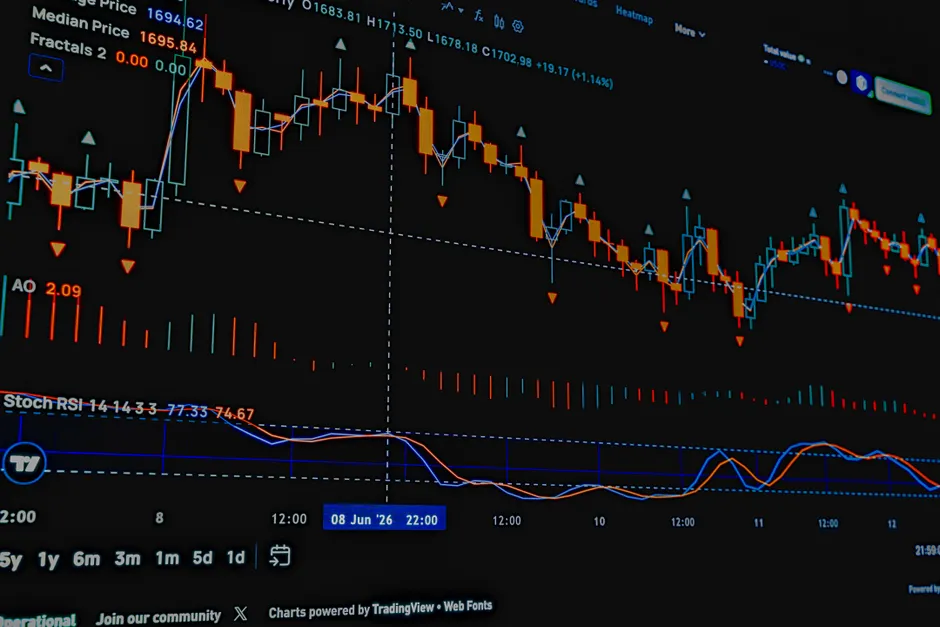
Why the Market Can Be Up When Most Stocks Are Down

The S&P 500 was up 14% for 2026 as of Oct. 13 reporting, lifted by tech stocks tied to AI, while the typical stock in the index was up less than 5%. Reuters Typical here means the middle stock when you rank them all.
The technology sector added more than 10 points of that 14% year-to-date gain, and more than 200 stocks in the index were down for the year, according to Oct. 12 analysis. Reuters
On Oct. 6, the S&P 500 had 23 stocks at a fresh yearly high and 2 at a fresh low. The Nasdaq had 61 highs and 182 lows. Reuters
The S&P 500 and Nasdaq finished almost flat on a Thursday in 2026 as worries about the Middle East pushed up oil prices and interest rates on government debt. Reuters That report has no publication date and is separate from the October gain data. It is about rates and oil, not about who drove the yearly gain.
The broader context here is like a class average pulled up by a few top scores. The headline can look strong while most students score lower. For everyday savers, your account follows what you actually own, not the headline.
In my view, this is a narrow market, not a broad one. What matters is which few stocks drive the gain. A fund that looks spread out still leans heavily on big tech. Trading looks smooth in those big names, which can hide trouble in smaller ones.
Looking at what this means for risk management, the risk sits with those leaders. If their profits, prices, or AI spending plans slip, the whole index feels it fast. Other sectors add little cushion right now. Protection tied to the broad index may not match someone who owns mostly typical stocks.
For active mandates, the math is hard. To keep up you must either hold the same few leaders, and fall with them if they fall, or fall behind for now and wait for more stocks to join in. Both paths carry risk. Size of bets and limits on tech exposure matter more.