GM Is Adding Google's AI Assistant to Cars—What That Means for Drivers

GM Is Adding Google's AI Assistant to Cars—What That Means for Drivers
General Motors announced it will put Google's Gemini AI into its vehicles. Gemini is an AI assistant—similar to voice assistants you might use on your phone—but built to work in cars. GM will add this to millions of vehicles by using systems it has been building for nearly 30 years, a service called OnStar.
Tim Twerdahl, who handles product strategy at GM, said this move is not a complete overhaul. Instead, GM is adding Gemini on top of the connected car infrastructure OnStar already provides. Think of it like upgrading the brain of a system that has been in place since the mid-1990s.
Google is Rolling Out Gemini Broadly
GM's announcement happens at the same time Google is expanding Gemini across cars and phones. Google's Android Auto platform—the system that connects your Android phone to your car's screen—is also getting Gemini, rolling out to 45 languages worldwide.
Google is replacing its older Google Assistant with Gemini. If you use Google Assistant on your phone now, Google will gradually move you to Gemini over the coming months. By later this year, the classic Google Assistant will mostly disappear from phones.
GM's timing fits into this larger Google strategy. Android Auto users who have already switched to Gemini on their phones can use it in their cars right away. The rest of GM's vehicles will get the update through over-the-air downloads—the same way your car might receive a software patch, like your phone does.
How OnStar Makes This Work
OnStar is the backbone of this integration. It started as an emergency call system in GM cars back in the 1990s. Over three decades, it has grown into a full connected vehicle system that handles cellular connectivity, cloud communication, voice commands, and emergency services.
For GM to add Gemini, it needs three key things: reliable internet connection in the car, strong security to protect your privacy and vehicle control, and a way to update the system without disrupting how the car runs. OnStar already handles all of this.
There is another advantage. OnStar has been using voice recognition for emergency calls and customer service for decades. That means GM has real-world experience with how drivers use voice commands in cars—what works, what fails, and what drivers actually need. Gemini gets to benefit from that knowledge.
This approach follows a pattern we have seen before in tech. When smartphones first came out, car manufacturers tried to simply shrink phone software to fit in vehicles. That did not work well. Cars need different assumptions about connectivity, driver attention, and reliability than phones do. GM is learning from that history by building on proven car technology rather than starting from scratch.
What Gemini Will Actually Do
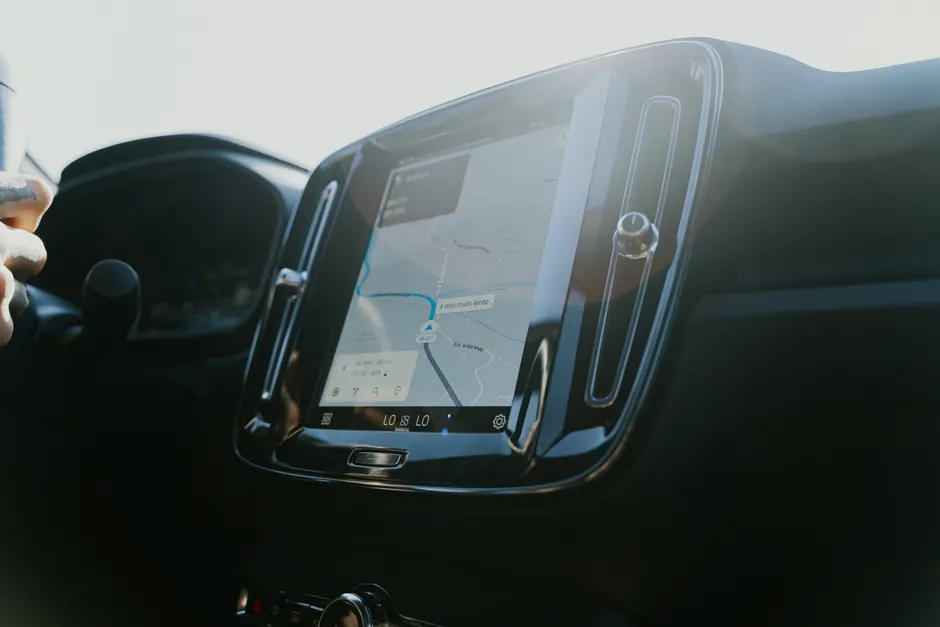
Gemini will connect through OnStar's existing hardware in your car—the same unit that handles emergency calls and navigation today. This setup lets GM keep control of critical vehicle systems while adding AI features on top.
Right now, the focus is on letting you talk to Gemini in your car to ask questions, get directions, control vehicle functions, and get information. The OnStar system can give Gemini details about your car's status, your location, and available services—so Gemini can give you answers tailored to what your car is doing and where you are.
Google is working on advanced versions of Gemini that could eventually plan actions and imagine scenarios. That could lead to more complex uses over time, though that is still in development and not part of current plans.
What This Means in the Broader Car Market
Car companies and tech firms are competing to make AI assistants a standard feature in vehicles. As more people switch to electric cars and buy cars based partly on software features, AI assistants are becoming a way to stand out.
GM's choice to use Google's Gemini across all its cars is different from what some competitors are doing—they are either building their own AI or mixing several AI providers. By standardizing on Gemini, GM simplifies things and gets access to all of Google's AI improvements as they happen.
The broader context here is that GM is tying itself to Google's ecosystem. You will be using Gemini, Google Maps, Android Auto, and other Google services in a connected way. This could be convenient in places where people already rely on Google, but it also means GM's AI capabilities depend on Google's decisions and direction.
What this opens up for drivers is real conversation with AI in your car, not just barking commands. And because the system updates over the air, GM can add new AI features without you needing a hardware upgrade or a trip to the dealer. The auto industry will watch closely to see how well this works and how drivers respond. If it succeeds, other car companies will likely do something similar.