Should Your Startup Use Open or Closed AI?

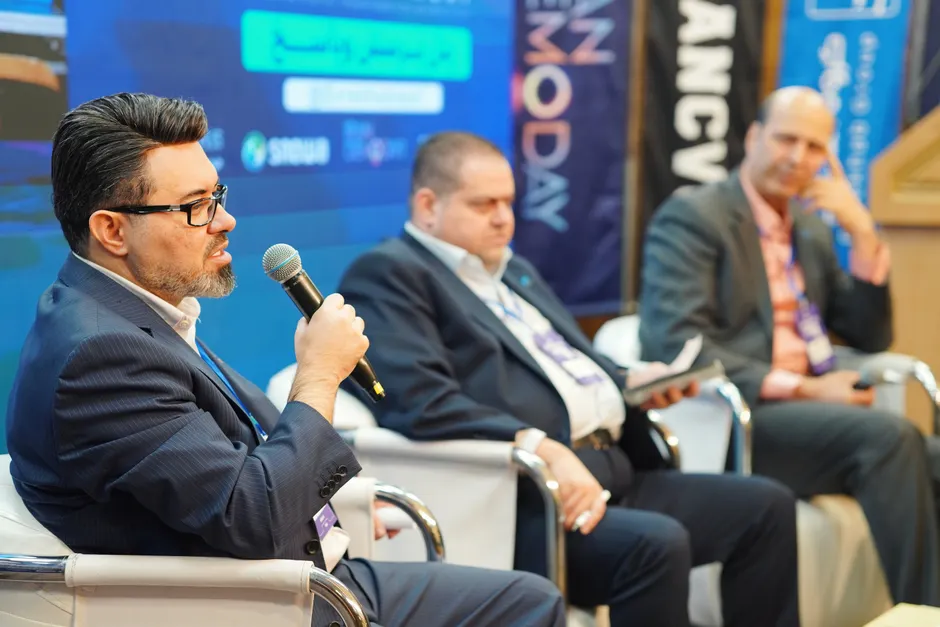
Nvidia's Nader Khalil, Director of Developer Tech, and Sydney Sykes, Global Head of VC Partnerships, will speak at TechCrunch Disrupt 2026 in San Francisco. The conference is set for October 13-15, 2026. They will talk about a practical choice facing AI startups. TechCrunch
The session is titled 'The Open vs. Closed AI Debate Is Just Getting Started' and will be held on the Builders Stage. It will cover trade-offs between open and proprietary AI and whether either can give a lasting competitive advantage. That links model licensing and deployment choice directly to startup strategy. TechCrunch
Disrupt 2026 is expected to bring together 10,000 founders, VCs and operators, according to TechCrunch Events. The Builders Stage puts the talk in the hands-on part of the program.
The broader context here is that open versus closed is not just about licenses. It is about control. Open models are like getting the full recipe and kitchen. A team can look inside, retrain it, shrink it and run it themselves. Closed models are like ordering from a restaurant. The provider runs the kitchen and handles updates, scale and maintenance. That first choice shapes data rules, checking, moving and fixing problems. It affects how the system runs, how it is tested and what it costs from day one.
In my view, the choice of speakers matters as much as the topic. Developer technology and venture partnerships see the same tools from opposite ends. One sees daily building problems, missing tools, bug fixing and pain in switching. The other sees patterns across many startups, where early speed later meets cost pressure, legal checks and trouble standing out. Together they should keep the question honest. Open models can speed early work and allow deep changes. Closed systems can offer top capability and steady service. Neither alone guarantees a lasting edge.
Looking at what this means for founders, the lesson is to treat model choice as equipment you can change, not identity. Keeping prompt, search and testing steps separate keeps options open. Teams that own their tests, own their data work and know their speed and cost limits can switch between open and closed parts as needs change. Licensing is strategy. So is exit cost. Smart startups will mix both, keeping sensitive or time-critical work in their own hands while paying for help where renting is cheaper than running.
That pragmatism is worth flagging for readers tired of either-or debates. We have seen similar arguments before about operating systems, virtualization and cloud APIs. Each time, the winners kept the interface separate from the inner workings and did their own measuring. The same habit applies now. A clearer view of where openness helps, and where a managed service saves effort, makes it possible to build and keep bigger systems.