A $2,195 Bed Cover That Cools You to Help You Sleep
Orion is selling a $2,195 bed cover you control with your phone that warms and cools you through the night so you wake up less, according to a test over several months published Sept. 18. TechCrunch
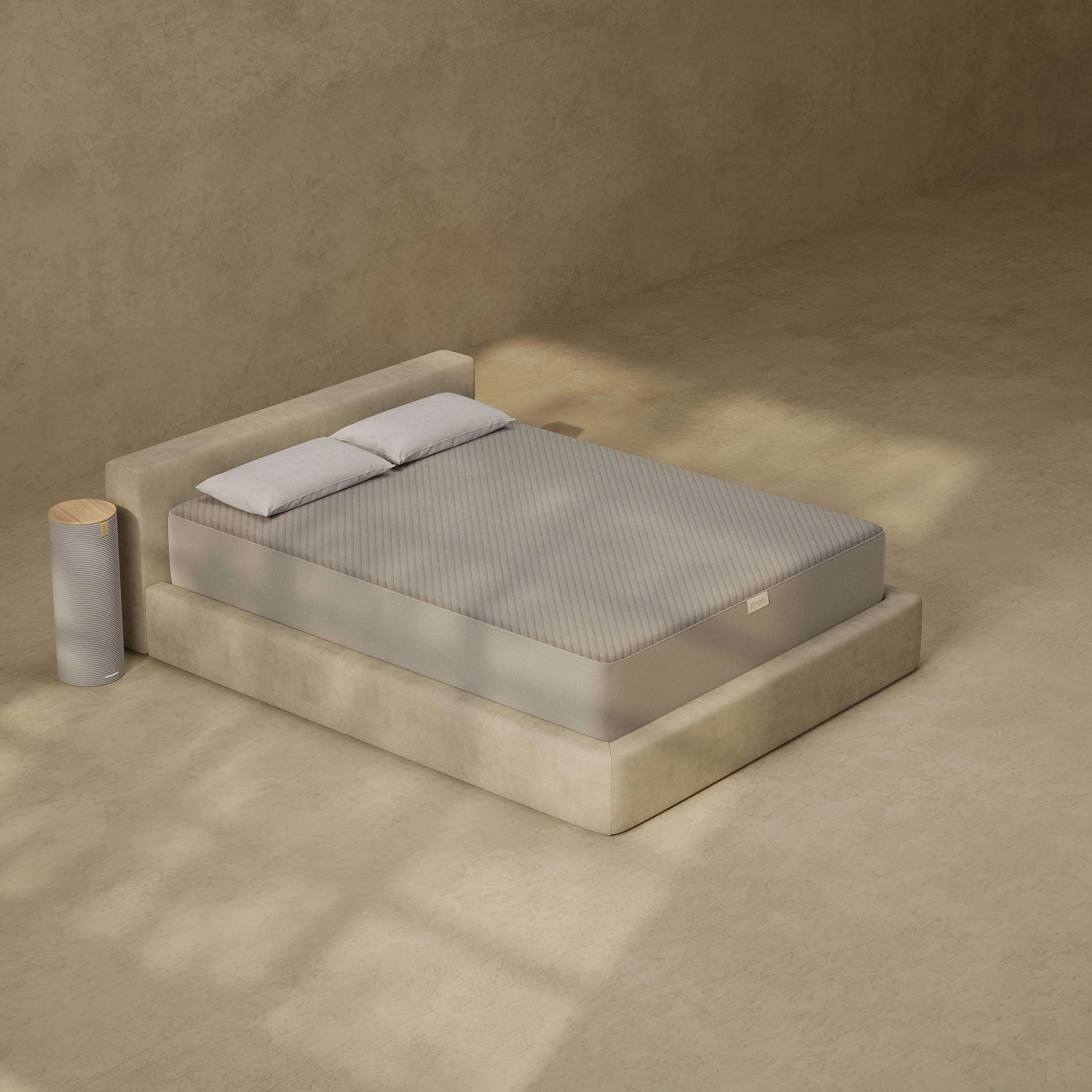
It is not a mattress. It is a cover that fits on the mattress you already own, plus a separate box that makes the heat and cold. Setup took about 30 minutes in a separate hands-on test. New York Magazine's Strategist
Orion says each side of the bed can be set from 50°F to 113°F, so two people can sleep at different temperatures. The hardware tracks sleep and connects to the Orion Intelligence app, according to product information. Orion Sleep
You type in your bedtime and the cover follows that schedule. It starts cooling near bedtime, gets cooler as you fall asleep, then warms back toward room temperature at wake time. TechCrunch Orion says its AI learns from sleep data. That means the app looks at past nights and changes the cooling pattern instead of running the same program.
The price is high. The reviewer said it felt like the whole bed was the cool side of the pillow, and reported sleeping like a baby over a few months of testing. The sales pitch is fewer wake-ups from heat and longer sleep without breaks.
Orion also lists $250 per year pricing linked to the Sleep System. Orion Sleep The company was started by Harry Gestetner, 26. He earlier sold Fanfix, a platform that helps creators earn money, for an estimated $65 million when he was 22. TechCrunch The official product site is at orionsleep.com.
The broader context here is that the heating and cooling parts are not new. Pads with water running through them have existed for years. What is different is a thermostat for the bed that checks sleep clues and then changes the temperature on its own, for each side, on a schedule, and keeps adjusting over time.
In my view, that design has clear tradeoffs. People like different temperatures, and needs change night to night, so custom control helps. But it needs good sensor readings, the right bedtime typed in, and comfort with another device collecting data in the bedroom. To work every night, it must be reliable, quiet, and easy to turn off when it gets it wrong.
Worth flagging if you are thinking of buying it is how many parts must work together. There are water tubes, a control box with fans or pumps, safety software for heat and cold limits, Bluetooth or Wi-Fi pairing, an app account, sleep guessing, and regular updates. Each part is simple alone. Together they decide if you forget about it or end up fixing it at 2 a.m.
The broader context here is treating sleep as something you can adjust. If careful temperature changes mean fewer wake-ups without morning grogginess from getting too cold, that is a real gain. For many poor sleepers, staying asleep matters more than total hours, and heat is a common reason for waking.
In my view, this kind of product will win or lose on careful tuning, not on the AI name. Learning only helps if tracking can tell a hot room from tossing and turning, and if changes stay gentle enough not to wake you. Orion cools you as you fall asleep and warms you before waking, which matches how body temperature normally shifts, and that makes the idea believable even without long-term proof.
In my view, if it works as promised, what it makes possible is simple. A bed stays comfortable without freezing your partner or running home cooling all night.