Jane Street Is Betting Big on AI — and Spending Like It

Jane Street, a major trading firm, is hiring more than 500 people over the next year and spending $6 billion on AI cloud computing services. The firm is also buying $1 billion worth of stock in CoreWeave, the company providing that cloud computing. These two moves suggest Jane Street is making a serious, expensive bet on AI-powered trading.
This is not a small experiment. A $6 billion commitment to cloud services paired with a $1 billion ownership stake in the vendor signals that Jane Street sees AI computing as central to its future, not optional.
Jane Street made an unusual amount of money in early 2026. It posted $16.1 billion in trading revenue in the first three months of that year alone. That is roughly $60 billion on an annual basis — a scale normally associated with the largest investment banks. Jane Street is a private partnership, not a giant bank, so this revenue level is striking.
Expansion Abroad, Friction at Home
Jane Street is growing globally. It has 400 employees in Hong Kong and was hiring for 40 more roles there in early 2025. The firm is also expanding its physical office space in Hong Kong. This geographic expansion reflects a core strategy: position offices closer to major markets where electronic trading still holds advantages.
But India is becoming a problem. The Indian tax authority is investigating Jane Street, and according to a government source, the firm is not cooperating with the investigation. Jane Street has been active in Indian derivatives markets, and that activity drew regulatory concern in 2024. For a trading firm that depends on access to exchanges and good relationships with regulators worldwide, refusing to cooperate with a government tax probe is risky.
Why the AI Spending Matters
The CoreWeave deal is worth examining closely. CoreWeave went public in March 2025; Jane Street invested $1 billion in the company's stock before that happened. So Jane Street is both a major customer and a major shareholder of its cloud vendor. This creates a situation where both companies benefit if CoreWeave succeeds — Jane Street's trading benefits from better cloud capacity, and CoreWeave makes money from Jane Street's cloud spending. The alignment is notable.
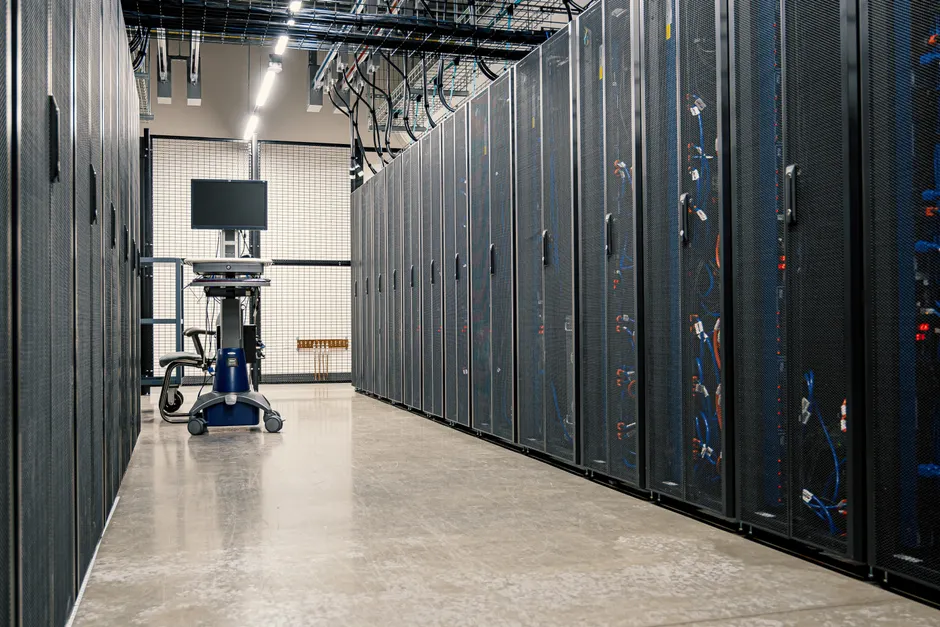
Trading firms have always needed massive computing power. But historically, they owned and controlled that computing equipment themselves, often placing it in data centers next to stock exchanges to shave milliseconds off trading speed. Jane Street's decision to outsource a huge portion of its AI computing to an external vendor marks a real change in how the firm operates.
No one outside Jane Street knows exactly what AI work is being done on CoreWeave's servers — whether it is training trading models, analyzing risk, or something else. But a $6 billion commitment over multiple years means it is not a side project.
The hiring expansion reinforces this. Jane Street is not using AI to shrink its workforce. Instead, it is hiring people while spending heavily on AI infrastructure. That suggests the firm is expanding what it can do, not replacing workers with machines.
Jane Street is a private company and does not disclose much financial information. The Q1 revenue figure and the CoreWeave deal are among the few hard facts available. Together, they paint a picture of a firm at an unusually profitable moment, using that profit to build competitive advantages before normal market conditions return.