Former Olympic Canoeist Arrested for Vandalizing the Lincoln Memorial Reflecting Pool

David Hearn, a 67-year-old from Bethesda, Maryland, has been arrested and charged with damaging government property. He allegedly vandalized the Lincoln Memorial Reflecting Pool in Washington, D.C., according to AP News.
Hearn is not an ordinary vandal. He was an Olympic canoeist and spent his career running a company that made canoes and kayaks from composite materials — that is, specially engineered materials designed to withstand water. His technical knowledge about how materials interact with water makes this arrest unusual.
The charge he faces is a federal one, not a simple vandalism ticket. Under federal law, damaging U.S. government property worth more than $1,000 can result in felony charges and up to ten years in prison. What exactly Hearn allegedly did remains unclear from the court documents made public so far.
The Reflecting Pool and Its History
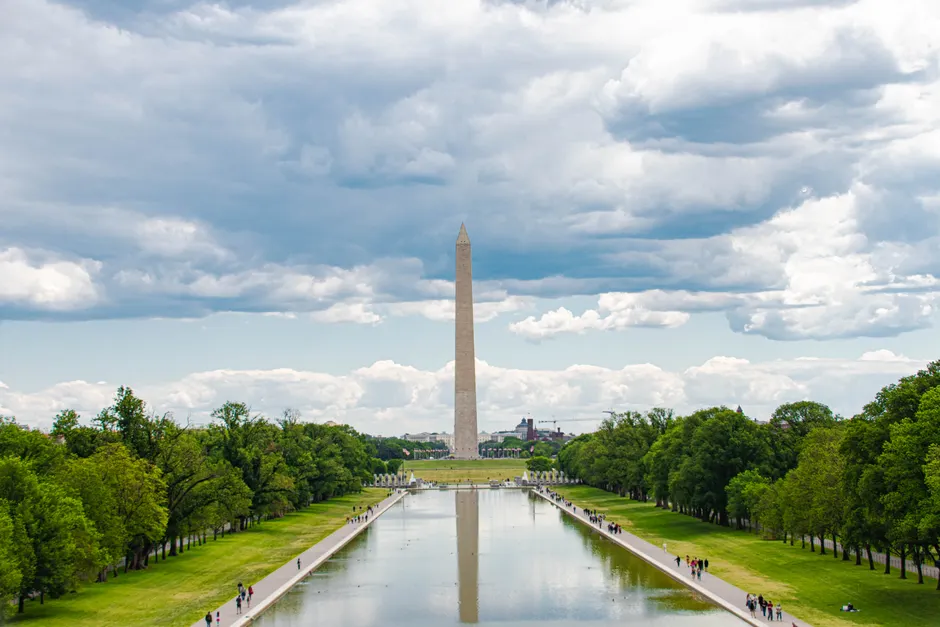
The Reflecting Pool stretches for nearly half a mile between the Lincoln Memorial and the World War II Memorial. It is one of the most visited federal landmarks in America.
The pool has had problems for decades. It was built in 1922 using a design that leaked water constantly and allowed algae — a slimy green buildup in water — to bloom repeatedly. Between 2010 and 2012, the National Park Service closed the pool for major repairs. The new design includes a filtration system that recycles water, similar to how a swimming pool filter works. Despite these improvements, algae blooms still appear seasonally. The Park Service continues to manage this as an ongoing issue.
The Political Context
This is where the story gets complicated. Former President Donald Trump has publicly blamed vandalism for problems at the Reflecting Pool, but he offered no evidence for this claim. Now that Hearn has been arrested, his alleged actions need to be examined closely. At this point, there is no public confirmation that what Hearn is accused of doing caused the pool's visible discoloration.
The timing of Trump's public statements and the investigation raises questions worth considering. When a political figure points to sabotage before law enforcement has concluded its investigation, it can shape how authorities direct their attention — sometimes in ways that don't match the actual facts. What Hearn actually did, how extensive the damage was, and why he did it are all still unknown.
Why This Matters
Federal prosecutors take cases involving damage to national monuments seriously. They see these spaces not just as property but as symbols of the country. After the January 6, 2021, Capitol attack, the federal government pursued numerous cases involving damage to government buildings with intensity and focus. That set a pattern: attacks on federally significant spaces are treated with extra gravity.
What we learn in court about Hearn's alleged actions — the specific method, the extent of damage, and his motive — will matter enormously. Those details will show whether Trump's broader narrative about vandalism at the pool holds up with evidence, or whether the political claim preceded and shaped the investigation in ways that deserve scrutiny.