Amazon Is Bringing Internet From Space to Uzbekistan

Amazon will bring its Leo satellite internet service to Uzbekistan through a deal with UZ-SAT, part of national internet provider Uztelecom. The announcement was published on September 22, 2026. About Amazon
The partner on the ground is Uztelecom, working through its UZ-SAT business. The deal covers high-speed satellite internet across the country, starting with remote and hard-to-reach places. Amazon said Leo is meant to add to Uztelecom's current networks and reach areas that need it most. Engadget
Uztelecom already connects 96 percent of communities in Uzbekistan. The missing areas are far-off places, not cities. Satellites can serve mountain, desert and thinly populated areas without waiting for new fiber cables or relay towers.
The agreement was signed at the Tashkent International Investment Forum to expand internet access, according to June reporting before the September announcement. Trend.AZ Uzbekistan's Ministry of Digital Technologies has listed the project under its national connectivity program.
Service has not started yet. At the time of the September announcement, Leo had not publicly launched. Amazon was testing the system with employees and some business customers. The company had said it planned to start Leo internet service in 2026, after an Atlas V rocket launch of Leo satellites from Cape Canaveral Space Force Station in Florida at 12:30 a.m. Bloomberg
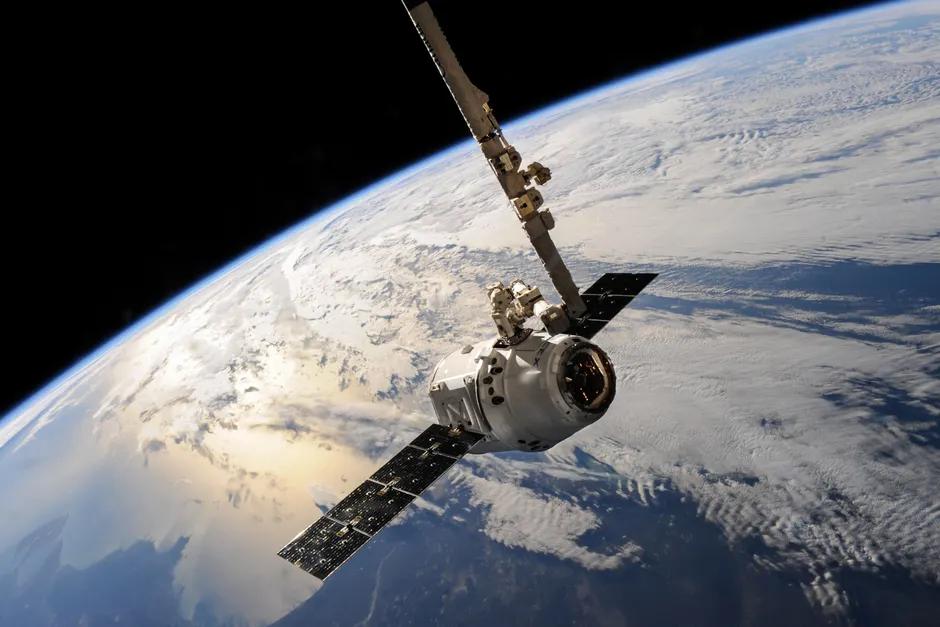
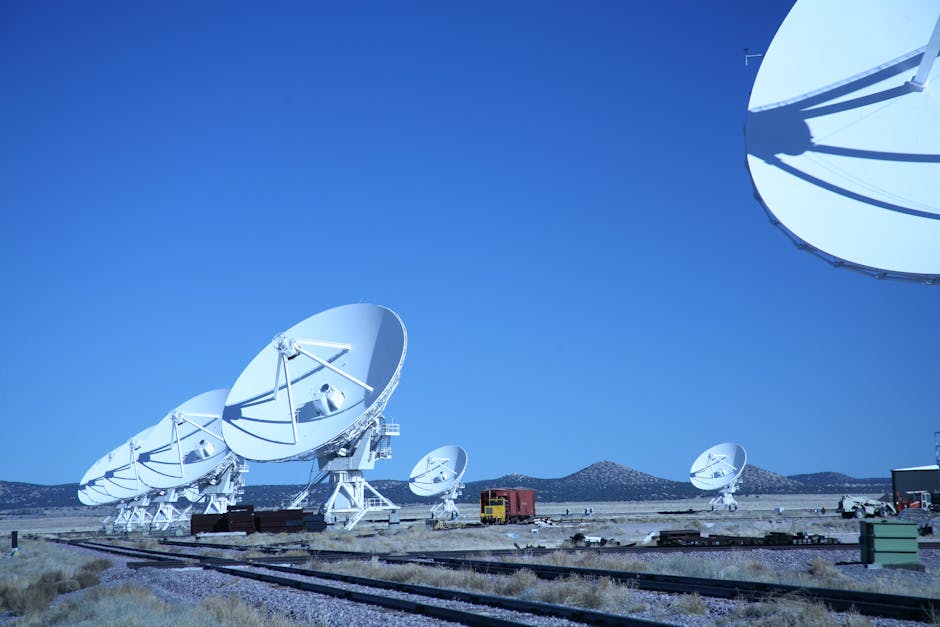
The network is still small. Amazon had about 400 satellites in orbit at the time of the announcement, with plans for more than 3,000 soon. The full plan calls for 3,236 satellites in low Earth orbit, close to Earth for faster connections. Think of them as cell towers in the sky. The satellites use laser links to pass data to each other in space before sending it down to a ground station or a customer dish.
SpaceX had more than 11,000 satellites in orbit at the same time. That size difference affects capacity and how quickly either company can offer steady coverage in a market. Amazon is launching more satellites and signing business deals while it grows. It has partnered with Delta to bring Leo to flights, and it bought Globalstar, the company behind Apple's emergency satellite feature. Blue Origin hired at least 47 former Amazon Leo staff in the last year. Bloomberg
The broader context here is how these space networks usually enter a country. They rarely replace the local provider. They work with it. Even a provider that reaches almost everyone still has some areas that cost too much to wire. Satellites can supply backup links for businesses and coverage for rural areas, with only a dish, power and a clear view of the sky needed on site.
In my view, Uzbekistan is a good test of that method. The open questions are simple. Cost and supply of dishes. Placement of ground stations and management of radio frequencies. How data moves between the satellites and Uztelecom fiber. How service holds up in bad weather and busy hours. Testing first with employees and some business customers suggests Amazon is checking network controls, billing and support with a small group first. If that works, rural clinics, schools, field teams and highways could get usable internet sooner than waiting for ground cables. More satellites are still needed to do that at scale, but the business plan is now plain: local provider in front, satellite network behind it.