Meta's Glasses Event: Why a Pair With No Camera Matters
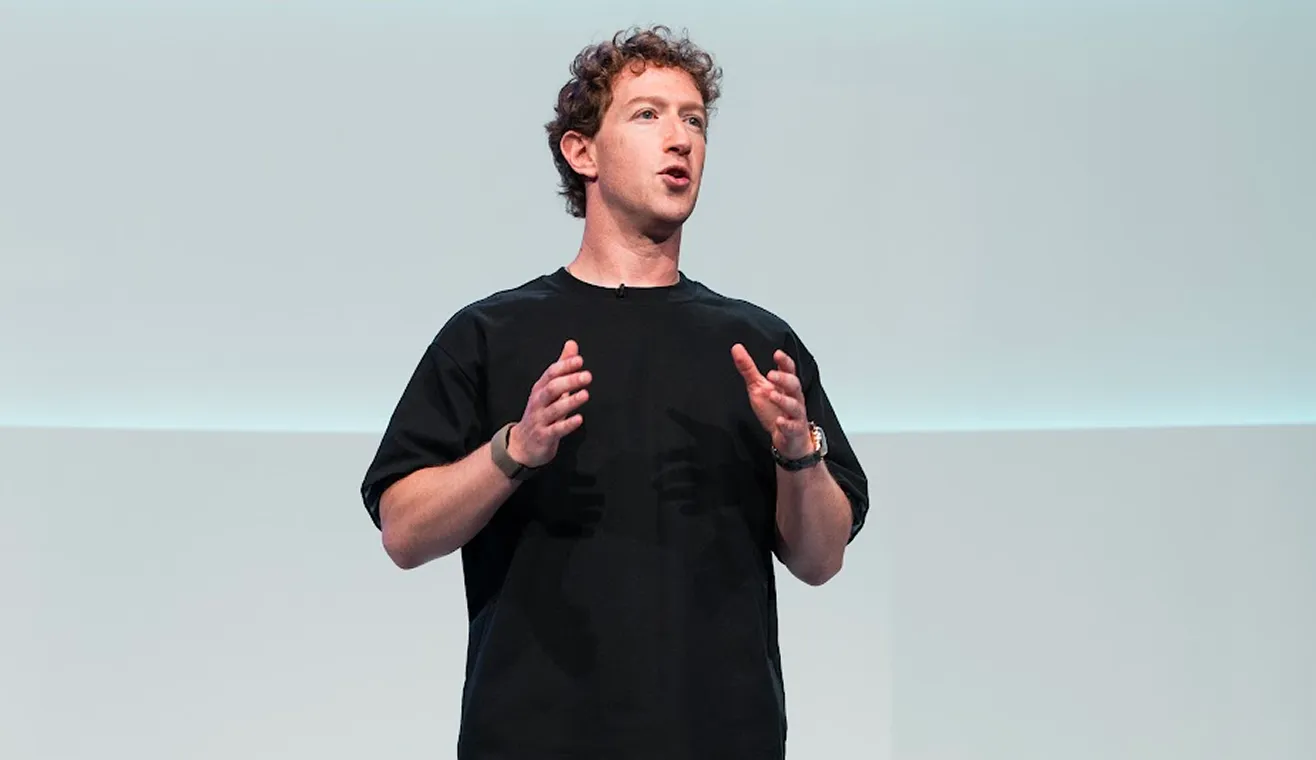
Meta will open Connect 2026 in California on September 23, 2026, with a keynote by Mark Zuckerberg at 4:00 p.m. PT / 7:00 p.m. ET.
The event runs September 23-24. The keynote is Wednesday, September 23 at 4:00 p.m. PT, according to Meta's agenda. Meta The Verge is in Menlo Park to cover the September product launch live. The Verge
Meta says the keynote theme is how "Meta is building a future for everyone". Zuckerberg also wrote a recent essay on AI, smart glasses and related topics, which the company points to as background for the address. The Verge
Connect 2026 is about new work in AI, smart glasses and expanded reality. Meta describes it as a two-day meeting on AI, wearable technology and immersive experiences. That means talks on AI software and tools for developers, plus glasses hardware and systems that show digital images around you.
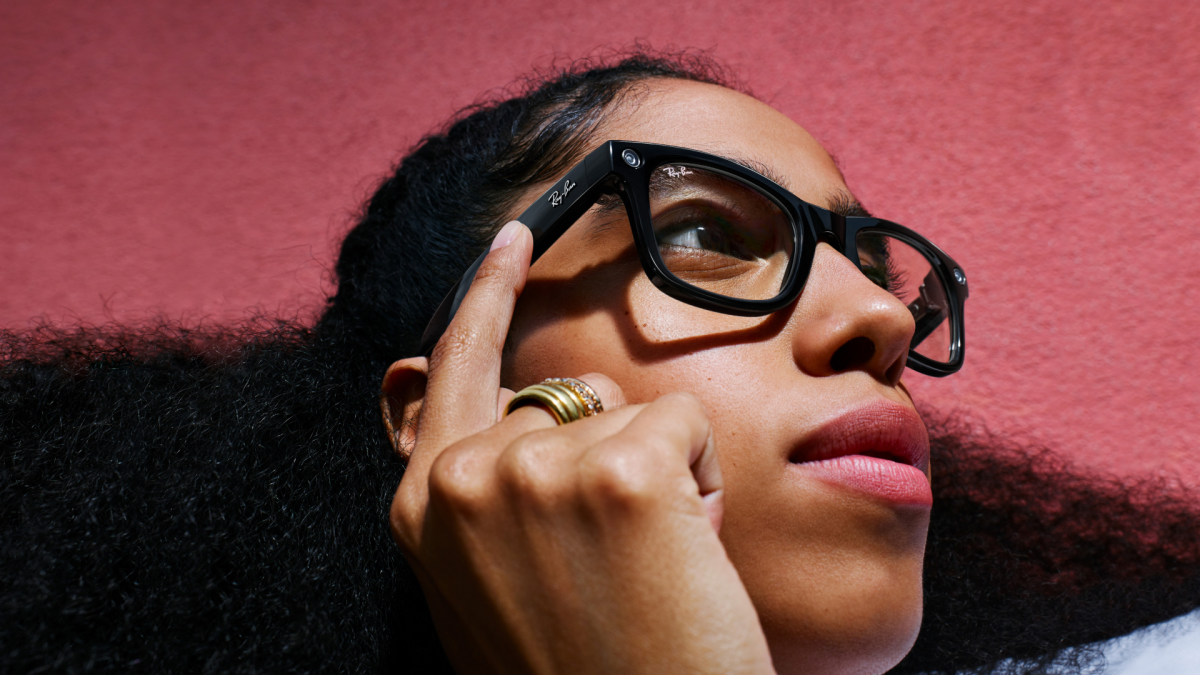
The product getting the most attention before the show is smart glasses with no camera. Reuters reported on September 23, 2026 that Meta was expected to show glasses without a camera as privacy concerns grew. Reuters Earlier reporting gave the internal code name as Luna and a planned release in fall 2026. Reuters
In technical terms, a pair built around a small display and sound, with no camera, removes one sensor completely. That makes the privacy question around filming in public simpler. More of the work shifts to microphones, motion sensors, location information and a connected phone that helps run the assistant.
The broader context here is what face-worn devices can do versus what feels okay to wear around others. Cameras let an AI assistant see what you see for visual search, reading text and barcodes, and mapping a room. They also leave people nearby unsure if they are being recorded. A version with no camera tests how helpful an assistant can be with voice, on-screen answers and powerful AI software running in the cloud, without that video. It is like a helpful friend on a call who can hear you and show you answers, but cannot see what you see.
In my view, that test matters at work as well as at home. Offices, clinics, factories and classrooms each have different rules about lenses. Glasses with no camera built in, rather than a camera turned off by a setting or marked by a light, are easier to check against those rules. That makes them easier to allow. The downside is the AI has less information about what is around you.
Looking at what this means for developers, the main questions are about software tools, data permissions and where the AI work happens. Without video, voice becomes the main input. Signals about where you look or how you move are limited to what sensors other than cameras can pick up. Responses need to feel fast, from wake-word detection to turning speech into text, managing the conversation and speaking answers back, when there is no screen view to guide you. Battery life and heat from always listening and staying connected to a phone become key design issues.
I have watched my own children keep or drop wearables based less on specs than on whether they felt normal around others. That social test often decides success faster than lab tests. Meta seems to be testing that point directly by trading sensor power for comfort.
The near-term program to watch at Connect is how Meta places Luna-type glasses beside its glasses with cameras and its expanded reality plans. Expect detail on how the assistant works, how tasks are split between the glasses and the cloud, and how developers build for some devices that see and some that do not. If the no-camera pair is useful on its own, more people can try everyday AI help without waiting for rules and habits around face cameras to settle.