Why British Farms Now Rely on Central Asian Workers
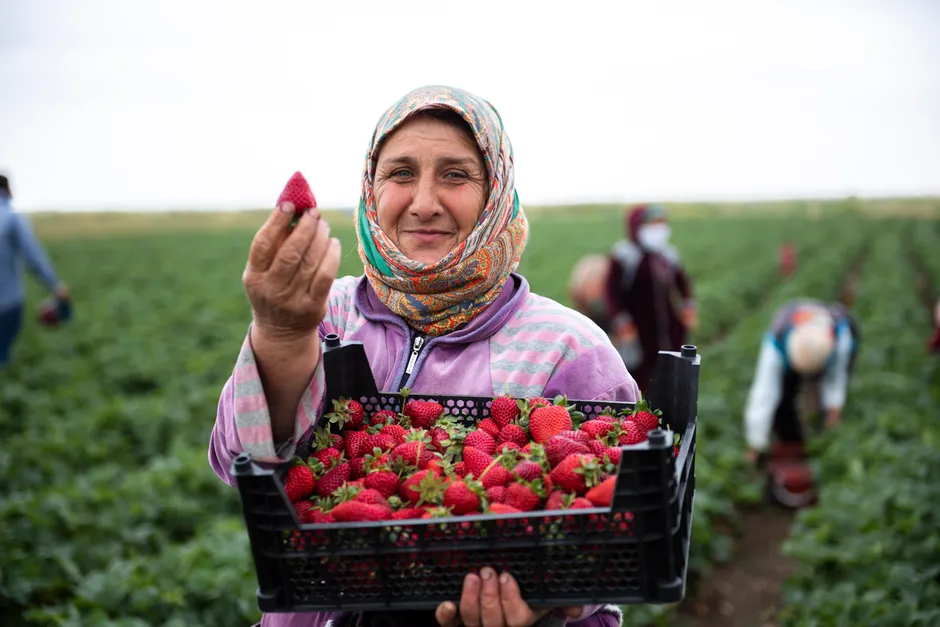
Central Asian workers now make up nearly nine out of every ten seasonal farm workers in the UK, according to government surveys. Five years ago, that figure was only about three in ten. This is a big change in how British farms get the workers they need for harvest time.
The workers mostly come from four countries: Kazakhstan, Kyrgyzstan, Tajikistan, and Uzbekistan. Kyrgyzstan sends the most — about one third of all these seasonal workers. Home Office records show Central Asia accounts for roughly 78% of the entire seasonal worker scheme.
What Changed and Why
This shift happened because of Brexit. Before 2021, British farms hired workers from Poland, Romania, Bulgaria, and other Central and Eastern European countries. These workers could live and work in the UK easily under EU rules. Then Freedom of Movement ended, and those workers were no longer available.
The government created a seasonal worker visa in 2019 to fill some gaps. At first it was small, but it grew fast. By 2021, as European workers dried up, the government expanded the scheme. Recruitment companies then started hiring workers from Central Asia, where jobs are hard to find and workers wanted to earn pounds for their families back home.
The system grew very quickly. By 2023, the pipeline was mature and Central Asian workers filled almost all the vacancies.
Why This Matters
This seasonal worker visa is not a small program. It's actually the biggest work visa route in the UK — larger than visas for nurses, tech workers, or anyone else. That means changes to this one scheme affect the UK's overall migration numbers, which is something politicians and voters care a lot about.
Workers on this visa can stay for six months at a time. They work on farms picking fruit, vegetables, and flowers. Then they go home, and new workers arrive. The constant turnover means farms need recruiters to find new people twice a year, on schedule, every time.
But there's a problem: too many eggs in one basket. Right now, one country — Kyrgyzstan — supplies more than a third of all these workers. Kyrgyzstan has only 7 million people. If there's political trouble there, or if another country offers workers better pay, British farms could suddenly lose their supply of workers. That would be a real crisis for farms that now depend on this system.
There's also the question of whether workers are being treated fairly. Central Asian workers face different challenges than Polish or Bulgarian workers did — they may not know their rights, or how the British system works. The government has recognized this by creating special information for Central Asian workers. But it's not clear yet whether the support they get is keeping up with how quickly the system has grown.