Your Smart Glasses Can Stop Sharing What They See - Here's How
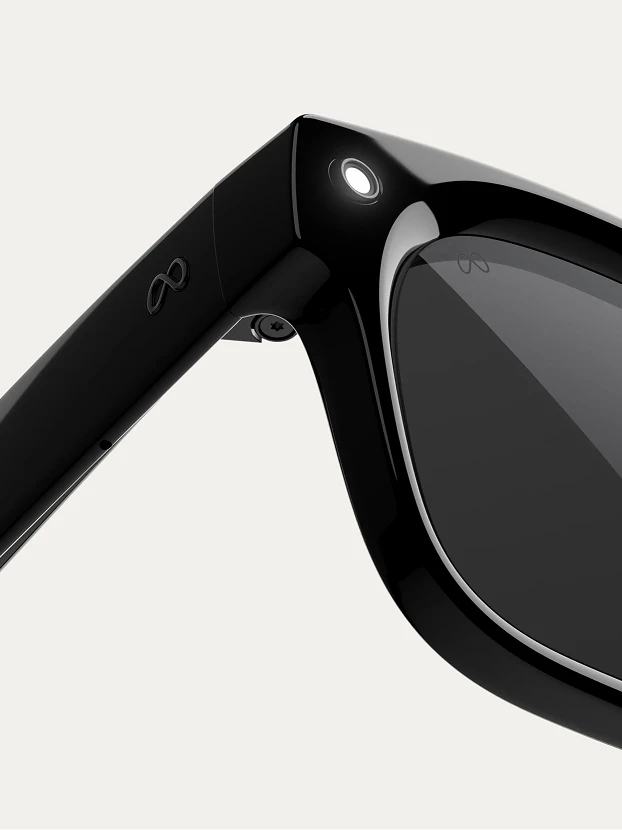
Meta has added a switch that stops what its smart glasses see from being used to train AI. You find it in the Meta AI app, and it covers what the glasses record when you use AI features Engadget.
Meta tells owners about it with a pop-up. The message says if you opt out, the image is not saved after the glasses answer you. To change it, open settings for your paired glasses, tap "Meta AI" and turn off "store visual data from AI experiences."
You have to do this for each pair of glasses. The glasses must be out of the case and linked to your phone. If you have two pairs, change both. If you do nothing, saving stays on.
Meta says it saves images from certain AI features, including Live AI, the setting where the glasses look at what is in front of you and respond. It may use those saved images to run features and to make its products better, including training AI by computer or by human checks. Normal photos and videos you take when the small capture light is on are not counted here.
If you opt out, some features will not work. That includes "visual reminders." That is when you look at something, like a book, and ask the glasses to remind you about it later. The glasses need to keep the image to do that.
Translation shows how it works when you opt out. Ask the glasses to translate a menu and they will read it, answer, then throw the image away, like a waiter who reads your menu to you and then forgets it Engadget. The answer still happens. The saving for improvement does not. Meta's help pages say opted-out images are not used to improve products.
The broader context here is worry about cameras you wear. A UK pub chain has limited Ray-Ban Meta glasses over fears of secret recording, and Meta faces a privacy lawsuit about its smart glasses Reuters. Meta has also made glasses without a camera to lower these concerns Reuters. In the EU, people earlier objected to Meta plans to use personal data to train AI without asking permission Reuters.
Looking at what this means in practice, answering you now and saving to learn for later are two separate steps. Companies, app makers, and privacy reviewers should treat the switch as one setting per glasses, not one setting for your whole account. For images that are saved, humans may still check them, which raises questions about hiding private details, limiting who can see them, and tracking where first-person images go.
In my view, the switch is useful but hard to manage. Most people will miss a setting they must change on every pair. I have watched my own kids adopt new tech quickly and miss the small print, and that pattern fits here. The hopeful part is clear. If glasses can answer and then forget, they can still be helpful without keeping your images.