Why SpaceX Stock Fell 16% After Its Public Debut—And What It Tells Us About Big Tech's AI Spending Problem

SpaceX shares have dropped 16.4% from their debut price of $150, sliding below that threshold for the first time since the company went public in June 2026, according to Yahoo Finance. The stock fell another 3.6% in a single trading day the Thursday before, per Reuters and Barron's.
The main reason investors are selling comes down to fear about artificial intelligence. Right now, big tech companies — Meta, Microsoft, Amazon — are spending enormous sums to build out the computing infrastructure that AI needs. These companies are betting that this AI buildout will eventually make them more money. But investors have started asking: Will the payoff actually be worth the cost? And are current stock prices already baking in hopes that never come to pass?
That worry, which first surfaced in 2024, has returned with force. Reuters reported that the whole tech sector took a hit because of this AI spending anxiety.
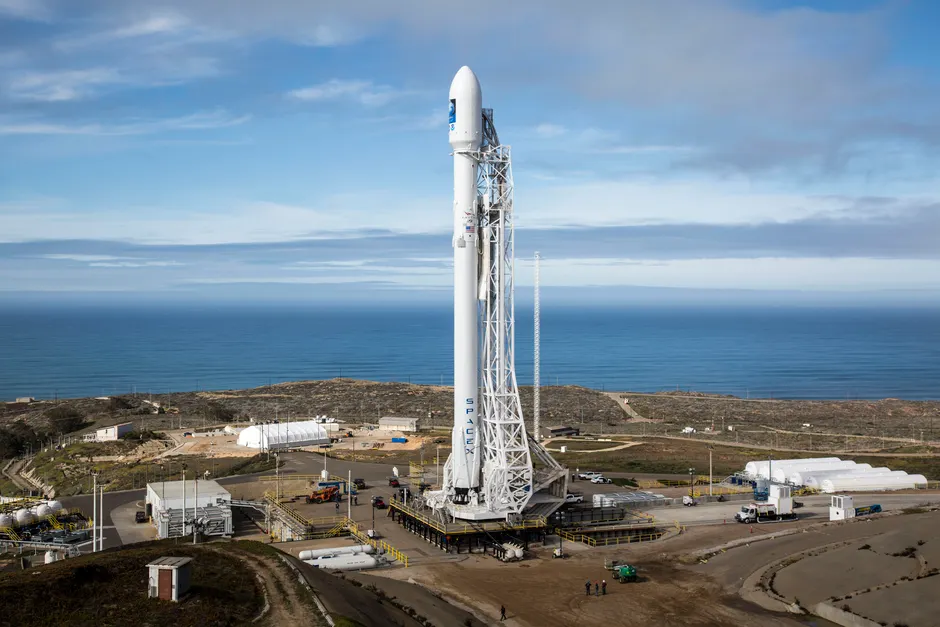
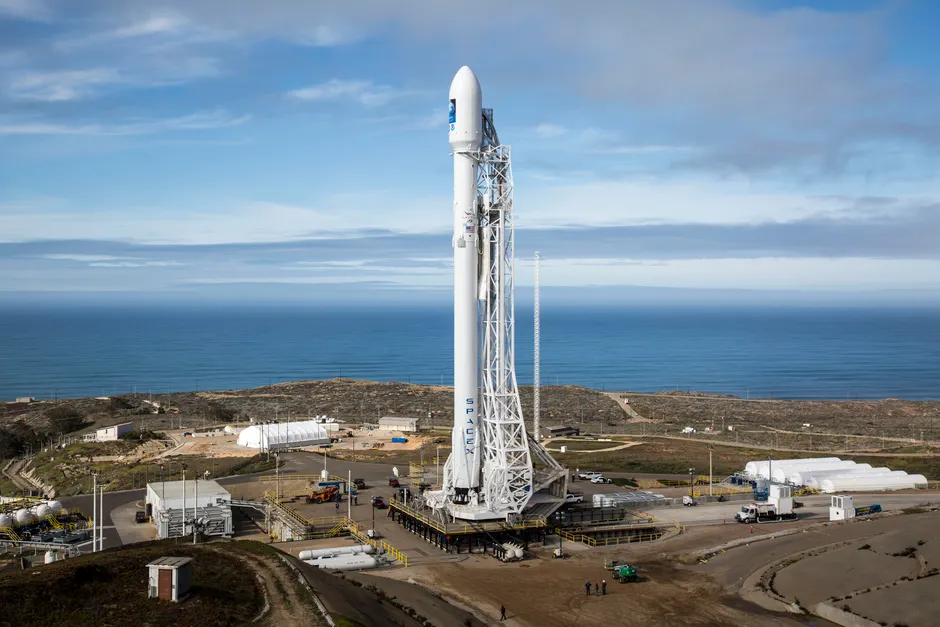
Here's the odd part: SpaceX is not a cloud computing company. It doesn't sell AI services. It launches rockets and runs Starlink, a broadband internet service. So why is it being punished alongside Meta and Microsoft?
The answer has to do with how new stock offerings work. When a company lists on public markets for the first time, it enters an environment where existing traders and fund managers have opinions about entire sectors, not just individual companies. SpaceX came to market at a high price — investors bet on its future growth, which is standard for new IPOs. But when the overall sentiment toward capital-heavy tech companies turns negative, newly listed companies with no track record and no protection from institutional inertia get hit hardest. They have no earnings history to fall back on, and they're not yet included in the big stock indices that provide automatic buying pressure. SpaceX is taking the pain of the sector's broader repricing.
Oracle's Layoffs Point to the Same Tension
Oracle, a long-established software and cloud company, cut between 20,000 and 30,000 workers in March 2026, according to Statesman. CNBC reported the cuts were tied to the company's AI investment plans. The layoffs touched Oracle Cloud Infrastructure, Media Services, and Sovereign Cloud divisions. HR Executive reported that employees learned of the cuts through a 6 a.m. email.
The timing and the reasoning connect Oracle's layoffs to SpaceX's stock decline, even though they look like different events. Oracle is cutting staff to fund or pay for its AI spending. SpaceX investors are bailing out because they doubt whether the big tech sector's AI bets will pay off. One company is restructuring to afford the transition; the other is being sold by people who question whether the transition is worth the price.
Interest Rates Add Another Layer
The Federal Reserve kept interest rates steady at 3.50%–3.75% at its June 2026 meeting, per U.S. Bank. That's not an emergency rate, but it's not cheap either. Here's what that means for SpaceX: the company is valued based on the profits it will make years from now. When interest rates are higher, those future profits are worth less in today's money — think of it like saying a promise of $100 ten years from now is worth less when you could earn 3.5% in the bank today than when you could only earn 0.5%. That math hurts any company betting on growth far in the future.
SpaceX's IPO price assumed that the company would grow quickly enough to justify its asking price. But now, with rates higher and investors uncertain about whether AI spending will actually drive future profits, the gap between what people hoped SpaceX would earn and what they expect it to earn has widened. For newly listed companies especially, there's no cushion. They don't yet have a base of long-term shareholders or automatic inclusion in the portfolios that track the broad market. A 16.4% drop in the first few weeks of trading hurts the people who bought at debut, but the real test is whether SpaceX can actually grow its Starlink subscriber base and launch business fast enough to prove its valuation was justified.
The broader situation in tech right now reflects a genuine clash: companies are spending heavily on AI infrastructure, the costs are clear and painful (as Oracle's layoffs show), but the profits from that spending are still unclear. Some companies are trying to cut costs to afford the investment. Others are being ditched by investors until the payoff becomes visible. Neither outcome is likely to resolve quickly.