SpaceX Stock Drops Below Its Launch Price: What Happened and Why It Matters
SpaceX shares closed at $135.27 on July 15, 2026, after slipping 0.6% during the day and dropping as low as $132.28. That low point fell below the $135 price the company first sold shares at when it went public, marking the first time the stock has dipped under that level since listing.
The drop caps a steep decline that started in late June. On Monday, June 22, SpaceX stock fell 16% in a single day, opening at $150 per share, the sharpest one-day drop since the company's stock market debut. The sell-off came during a wider tech-stock rout that wiped out roughly $600 billion in SpaceX market value, as reported by Al Jazeera.
Market value is simply what all of a company's shares combined are worth at the current price. Losing $600 billion of it means investors collectively decided SpaceX was worth far less than they had recently thought.
For everyday investors who bought shares during or after the IPO, the decline is a harsh lesson in how quickly stock prices can fall. The stock went from its debut, to an all-time high, and back down to the original offering price in just a few weeks. That kind of speed left almost no time to adjust.
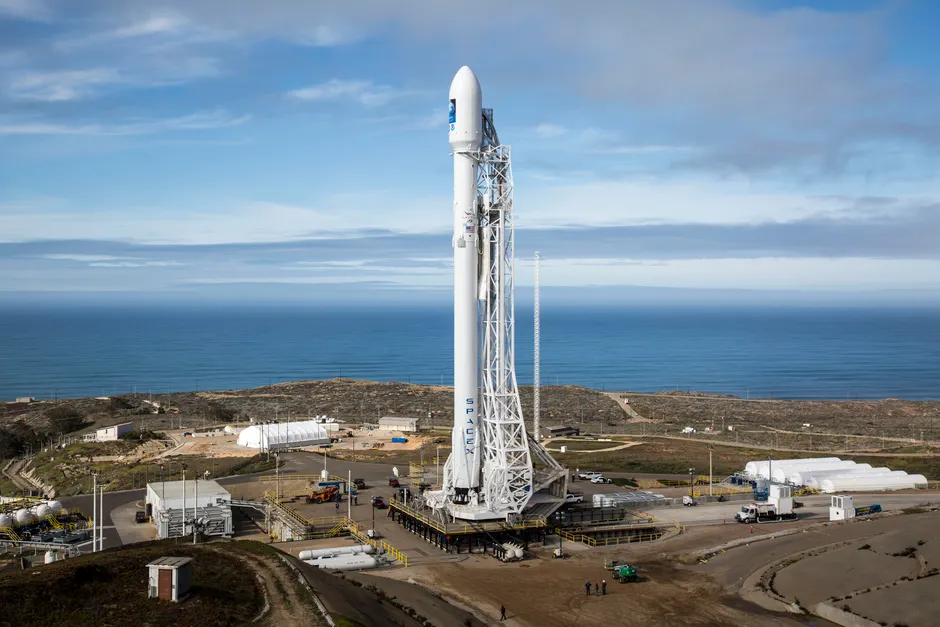
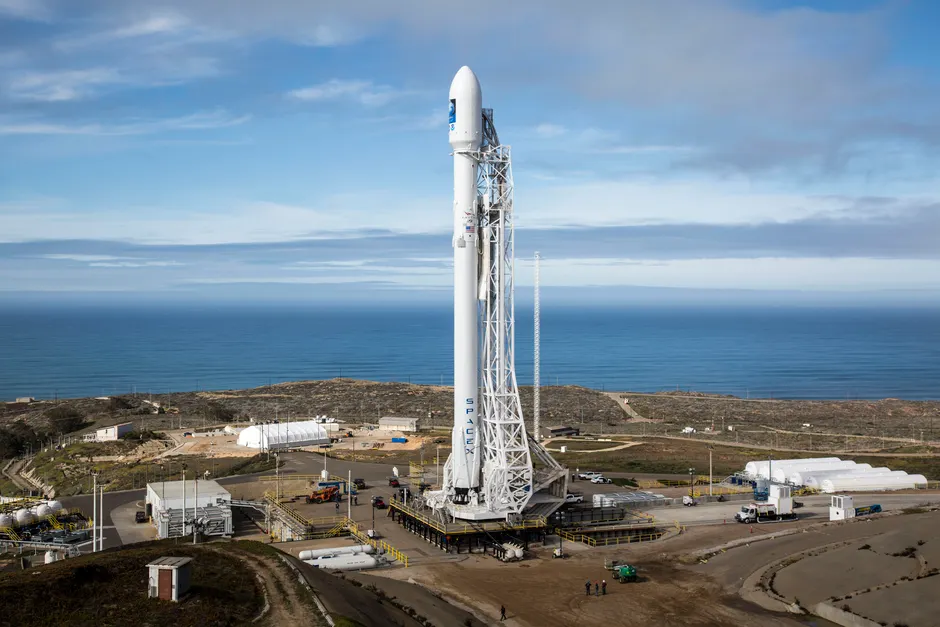
Meanwhile, SpaceX's actual rocket launches are continuing as planned. The company's Launches page lists a Starlink mission for July 20, 2026, flying on a Falcon 9 rocket from Vandenberg, California, with the booster landing on a droneship at sea. The next day, July 21, another Falcon 9 is scheduled to fly from Cape Canaveral, Florida, but in an "expended" setup, meaning the booster will not be recovered. That stands out because reusing rocket boosters is a big part of how SpaceX keeps costs down. Typically, a company only throws away a booster when the mission requires so much fuel that there is not enough left to fly it back to a landing.
Separately, SpaceX's Updates page acknowledged a delay of more than two months from a previously communicated mid-September timeline. The company said the delay was not due to a new safety concern but did not explain the reason.
The broader context here is how fast and how far this stock has fallen. A $600 billion drop in market value, a 16% single-day plunge, and a fall below the IPO price all within weeks of going public are not minor bumps. They signal that investors are rapidly rethinking what they believe SpaceX is worth. Reuters reported on July 15 that the slide below the IPO price came as the post-debut rally unraveled, describing the move as investors giving up on the premium they had paid in the early days of trading.
For anyone watching the stock, the key numbers are straightforward. The $135 IPO price is now a mental reference point. The $132.28 low from July 15 and the $132.75 low from July 14 form a narrow range just below it where buyers might step in. Whether that range holds will likely depend on things far beyond the launch schedule, such as overall market mood, how tech stocks are faring, and any financial details the company shares as a public company. The stock's future depends on how much money the company can earn and what investors think that future earnings are worth today, not on how many rockets it launches.