Why Your Loan Rates Rise When Oil Prices Jump
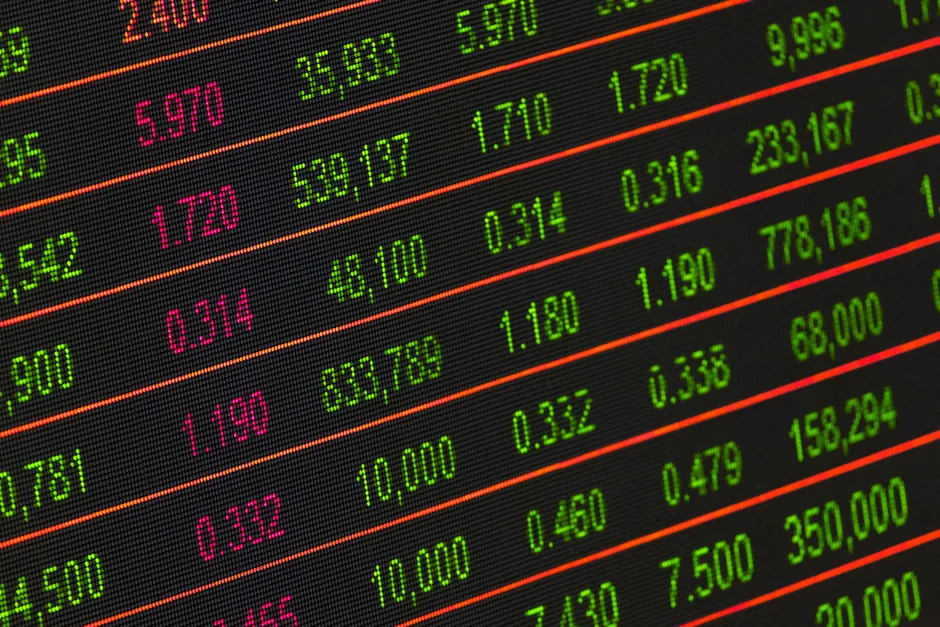
U.S. government borrowing costs rose in Asian trading on Monday, Sept. 28, because oil prices jumped after a Middle East peace effort failed. It extended a sharp September rise in long-term rates, with oil and long-term rates moving up together. When Washington pays more to borrow, families and businesses often pay more too.
Oil rebounded after President Donald Trump rejected an Iran peace deal, according to Reuters reporting published Sept. 27. That followed an up-and-down week. Crude had risen on Sept. 23, ending five days of losses in a row, and Tehran and Washington had held talks on the sidelines of the U.N. General Assembly in New York City during the week ending Sept. 25, according to CNBC and CNBC. Iranian President Masoud Pezeshkian vowed that Iran will not surrender to the U.S.
The move has been big. A yield is the interest rate on a bond. Rates are counted in basis points, where 100 equals 1%. The main 10-year rate jumped 13.89 basis points to 5.106% on Sept. 23, the highest since 2007 and its biggest one-day jump since April 2025, according to Reuters. It later fell 0.37 basis points to 5.158% after touching 5.2297%, also the highest since 2007, according to Reuters. Earlier, it had jumped to 5.041% and was just under 5.004% in mid-September, when oil was near a four-month high.
Japan felt it too. Japanese government bond yields rose to multidecade highs early Friday, with the 2-year yield up 2.9 basis points at 1.936%, according to Morningstar. Stocks were mixed as investors stayed cautious.
The broader context here is simple. Higher oil raises gas and shipping costs, which raises inflation, or overall prices. Think of a 10-year bond like renting out your money for 10 years: if you expect prices to rise, you charge higher rent. So rates can rise and credit can tighten even if the central bank does nothing.
Looking at what this means for markets, timing matters. Rates and oil rose together on Sept. 23. Hopes for a deal then pulled prices both ways. Rejection brought back higher oil with lower bond prices. That punished bets on a quick return to normal.
There is also a trading dimension to weigh. A 13.89 basis point move above 5% means heavy losses for bets on lower rates. The spike to 5.2297% and small pullback points to thin trading. Costs rise and forced selling can spread.
For anyone watching Japan, the 1.936% level matters for the U.S. Higher short-term Japanese rates change the profit Japanese buyers get after currency costs when they buy U.S. bonds. Less steady buying at auctions would leave U.S. bonds more exposed to oil news.


