Why It Costs More to Borrow Even Though Oil Got Cheaper

Borrowing costs for the U.S. government went up on Sept. 29, 2026, even though oil prices dipped a little that day.
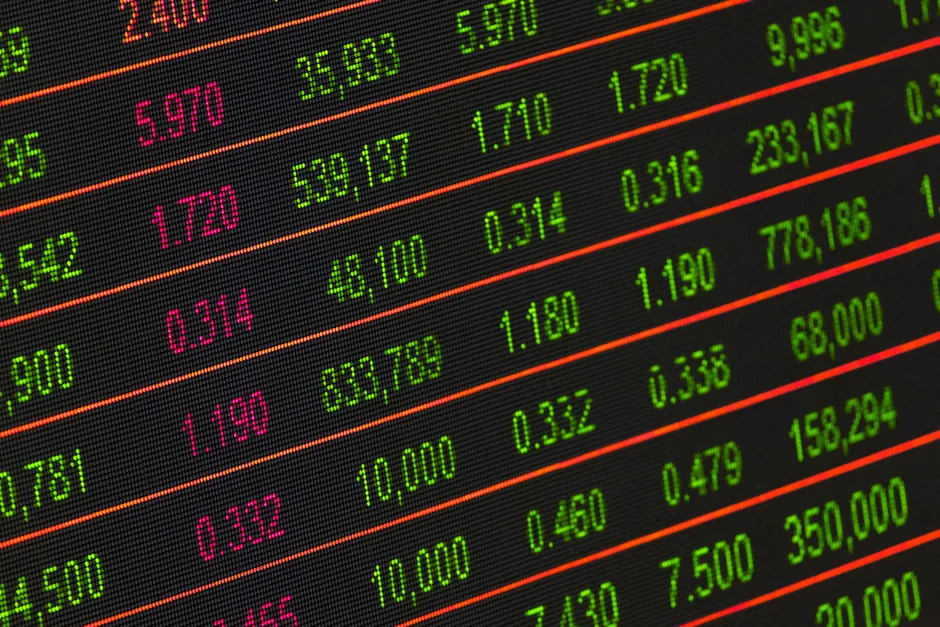
A yield is the interest the government pays to borrow. Think of it like the tide for all loans. When it rises, mortgages and business loans tend to cost more too. The move was noted in Wall Street Journal live coverage under the card title 'Treasury Yields Reach New Milestone and Threaten Others,' headlined 'Treasury Yields Push Higher Despite Decline in Oil Prices.' The Journal did not in that card give the exact milestone level. Yields rose while crude eased.
U.S. stocks fell as higher oil prices and Treasury yields weighed, with investors weighing uncertainty over prospects for an Iran war, according to Reuters video reporting published Sept. 29.
On Sept. 15, Wall Street ended lower as oil prices spiked and the benchmark Treasury yield broke above 5%, according to Reuters. In that session the Dow fell 0.63%, the S&P 500 fell 0.45% and the Nasdaq fell 0.78%. On Sept. 17, Wall Street ended higher as easing oil prices, falling Treasury yields and solid labor data supported markets, Reuters reported. On Sept. 23, Wall Street ended lower, pulled down by Alphabet and Amazon, as Treasury yields climbed, according to Reuters.
On Sept. 11, the benchmark 10-year Treasury yield was slightly higher at 4.96% while oil prices retreated, with gold up 0.8% to $4,350 an ounce, Reuters reported. On Sept. 3, the yield on the benchmark 10-year note fell 3.8 basis points to 4.756%, according to Reuters. A basis point is a tiny unit equal to one-hundredth of a percentage point. That move came as Federal Reserve official Waller's comments coincided with falling bond yields and rising stocks.
The gap between the 10-year and 2-year Treasury yields was 0.25 percentage points on Sept. 22, 0.26 points on Sept. 23, 0.31 points on Sept. 24, 0.36 points on Sept. 25 and 0.32 points on Sept. 28, according to FRED. That gap compares long-term and short-term borrowing costs. A positive number means long-term costs more. FRED noted the series was updated Sept. 28 at 4:03 PM CDT, with the next release scheduled for Sept. 29.
The Federal Open Market Committee decided to "maintain the target range for the federal funds rate at 3-1/2 to 3-3/4 percent," according to the Federal Reserve statement published July 29. That is the short rate the Fed sets directly. At the July press conference, Federal Reserve Chairman Warsh said nominal and real yields were materially higher across the Treasury curve, according to the Federal Reserve transcript. Nominal means before inflation. Real means after inflation.
The broader context here is that Sept. 29 was odd compared with Sept. 15 and Sept. 17. For most of the month, oil and yields moved together and squeezed stocks with both higher fuel costs and higher borrowing costs. When yields rise while oil softens, the cause points more to real rates, digestion of new government debt, or changing views on growth and borrowing, rather than a simple pass-through from crude. That hits home because home loans track the long end, and stock prices use the same curve.
In my view, the question is whether the Sept. 29 split lasts. A lasting rise in yields on softer oil would suggest the bond move is not being driven by near-term oil inflation. That would leave policy expectations and term premium, the extra return for holding longer debt, as the rest of the story.