How a Startup Wants Robots to Think Without the Cloud
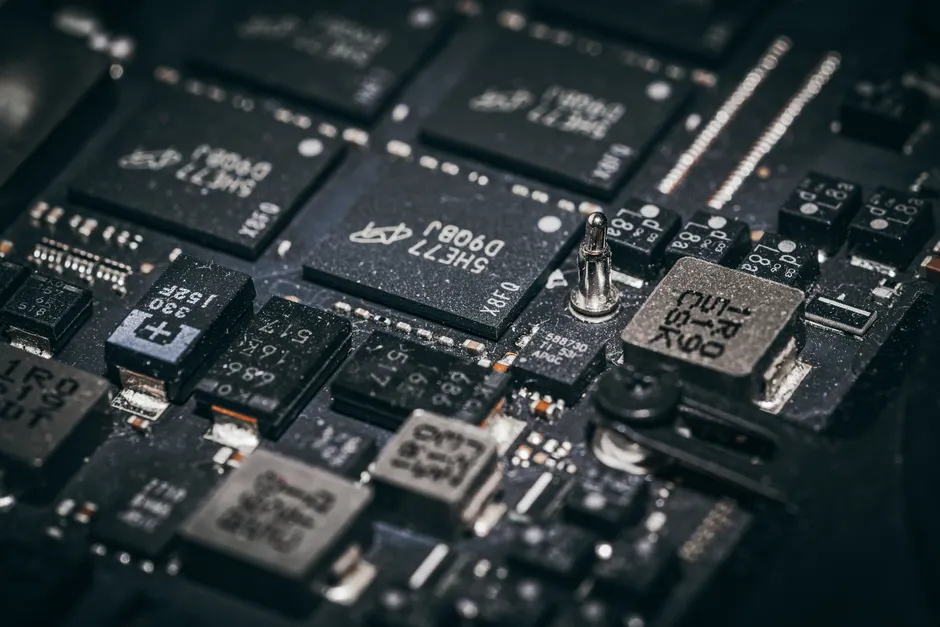
SiMa.ai Technologies Inc has raised $150 million at a value of $1.45 billion. The company shared the news on September 28, 2026, from San Jose, California. TechCrunch
The round was co-led by Fidelity Management & Research Company and Amplify. Alter Venture Partners, Dell Technologies Capital and StepStone Group also joined.
SiMa.ai was started in 2018 by Krishna Rangasayee, who was previously COO of chipmaker Groq. The company works in the United States and India and focuses on Physical AI, meaning AI for machines that move and sense in the real world. The idea is to build chips and software together so robots, drones and cameras can do their AI thinking on board, without sending data to the cloud and waiting for an answer.
It sells two main pieces. Palette Neat is software with AI helpers for building machine apps. The Modalix DevKit is a tiny, complete computer board that handles the full AI job from start to finish. It can do 50 trillion small AI calculations per second while using less power than a night light, under 10 watts.
The company has now raised more than $500 million in total. It raised $85 million in July 2025 at a $960 million value, so the new value is about 50% higher in just over a year.
Past funding included $70 million led by Maverick Capital, and a $67 million extension called Series B1 that drew more interest than expected. MSD Partners invested when total funding reached $187 million. The company also raised $13 million more from investors including VentureTech Alliance in Taiwan. Bloomberg
SiMa.ai said it will use the money to grow its work in human-like robots, cars and drones. The news came in a Business Wire press release titled 'SiMa.ai Reaches $1.45B Valuation with $500 Million in Total Funding to Scale Physical AI in Humanoids, Automotive and Drones'. Business Wire
The broader context here is about where AI thinks. Training big models happens in large cloud centers. But a robot or car cannot wait for a distant server when it needs to stop or turn. A small, low-power board does not compete with those big centers. It competes with sending camera images and laser sensor data away to be processed at all.
In my view, the backers matter as much as the price tag. With Fidelity and Amplify leading, and Dell Technologies Capital and StepStone joining, investors are treating SiMa.ai less like a chip maker and more like a complete toolkit. New chips often win when the software is easy to use, and helper software lowers the cost for small teams without chip experts.
Worth flagging is what money alone cannot fix. Making chips, testing them for safety, and getting picked for cars still takes years. More funding means more staff and more time to work. It does not make those steps faster by itself. What it does allow is more real-world work in robots and drones, which have almost no space or power for extra computers.


