Why AI Stocks Just Dropped — and What It Means

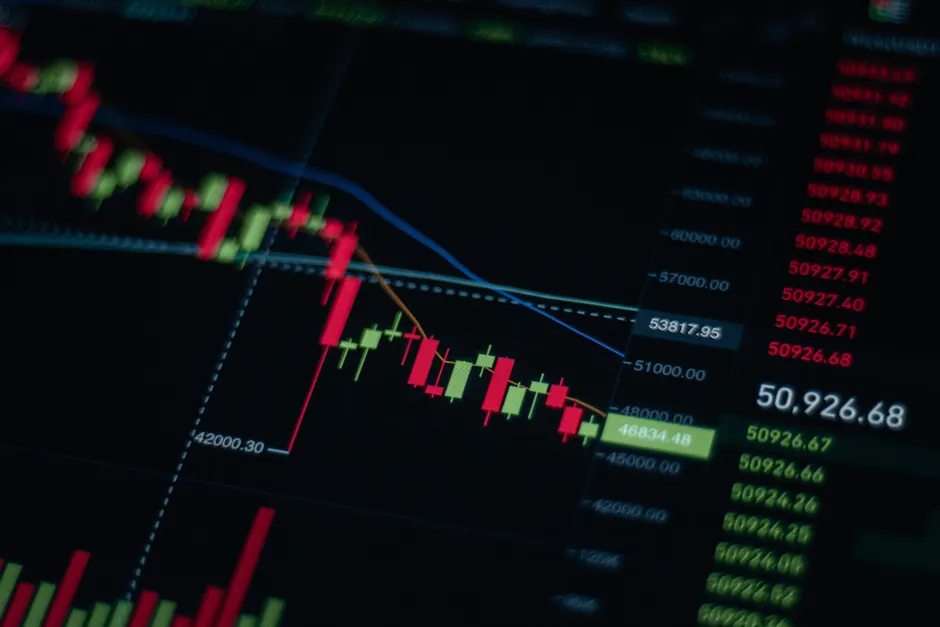
Tech stocks fell hard on June 23, 2026, because investors got worried about a simple question: will all the money being spent on AI infrastructure actually make companies richer? The selling spread from the U.S. to Asia in the days around that date, hitting semiconductor and chip companies especially hard.
The amounts involved are staggering. A handful of giant cloud companies — Amazon, Google, and their peers — are spending over $800 billion this year building the computer systems that run AI. To give you scale: that's roughly equal to what every other major company in the stock market combined spends on building and upgrading equipment. These few companies are making one of the biggest money-moving decisions we've ever seen. The problem is simple: no one yet knows if they'll make that money back.
This wasn't the first jolt. Earlier in June, stock prices dropped when the Federal Reserve hinted it might keep interest rates high. When that happens, investors care less about future profits — they want profits now. AI companies are betting on big profits down the road, so higher interest rates make them less attractive today.
The Fed Isn't Convinced
The Federal Reserve — the government agency that controls interest rates — has been watching this AI buildup closely. In mid-June, Fed Chair Warsh said the central bank would keep an eye on whether AI actually speeds up the economy the way some people claim. He used careful language, which told the market the Fed isn't ready to assume AI will fix everything.
Here's a telling number: only about 20% of U.S. companies say they plan to use AI right now. That's the plan — not the reality. Many companies haven't even tried it yet, much less proven it makes them more efficient. That gap between buying the tool and actually getting benefit from it is where the AI story gets risky.
The Fed also noted that the job market is stable — neither too loose nor too tight. That matters because one reason AI might be a good investment is if it helps companies do more with fewer workers. But if jobs are already balanced, companies have no urgent reason to rush into AI.
Another Fed official said outright in February that AI could hurt some workers in the short run, at least while it's being rolled out. That policymakers are already worried about this risk, before even a quarter of companies are using AI, says something about how seriously they're thinking through the downside.
What the Market Is Saying Now
Here's the key tension: companies are spending the $800 billion right now, today. But the money they'll make from AI is maybe years away — if it comes at all. When interest rates are low, investors are willing to wait for those future profits. But when rates stay high, or look like they will, investors demand faster payoff. Stock prices fall when that discount goes up.
The June 23 selloff was investors doing the math: maybe we've been too optimistic about how soon AI will pay for itself. The $800 billion is real and already being spent. Whether it actually produces earnings worth the price being paid — that depends on things no one knows yet: how many companies will really adopt AI, what regulators will permit, which AI systems work best. What's certain is the spending. It's happening now. And the market is becoming less willing to bet that it will all work out.