After a School Shooting, the Philippines Blocked a Violent Video Game. Here's What That Means.
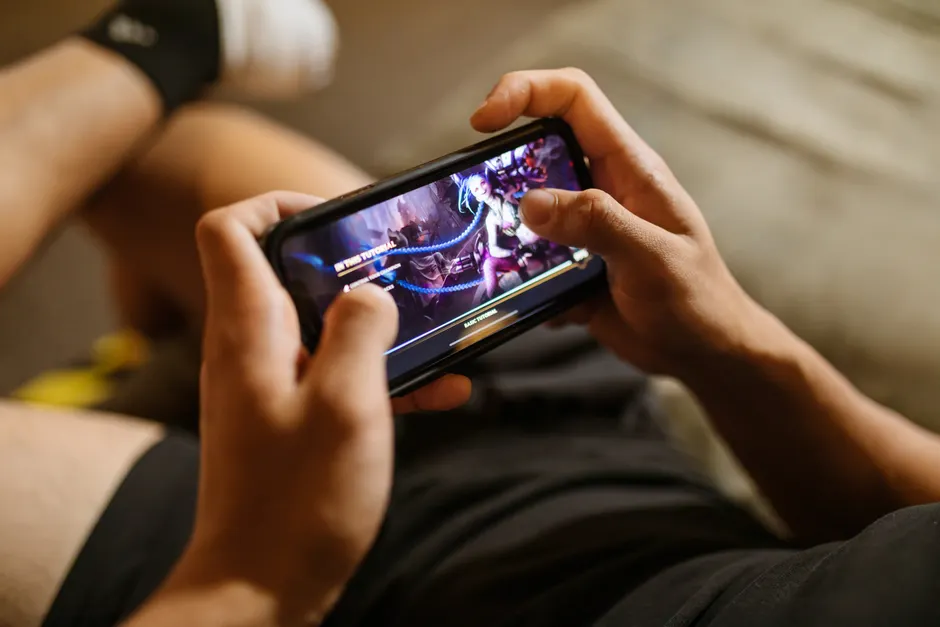
Three students died and five were wounded in a shooting at San Jose National High School in Tacloban on June 22, 2026. Two days later, Philippine authorities blocked access to GoreBox, a mobile game known for graphic violence. One of the teenage shooters had played it regularly.
The shooting happened around 9:20 a.m., when two students — ages 15 and 14 — opened fire on their classmates. Both were arrested immediately. In interviews with police, they said they had been bullied at school. Investigators found the attack was not spontaneous: the two had planned it for more than a month, according to the Philippine News Agency.
The GoreBox connection surfaced quickly after news of the shooting broke. The Guardian reported that one of the shooters regularly played the game. Within a day, the National Telecommunications Commission ordered internet service providers and app stores to block access to it. Officials called the move temporary and precautionary, not a permanent ban.
What Investigators Are Exploring
The Philippine Department of Justice is now investigating whether this shooting should be classified as "nihilistic violent extremism" — a legal category typically used for politically motivated violence. If that label applies, the legal consequences for the two teenagers would be different and more serious than a standard juvenile crime charge. This is new legal territory; applying it to a school shooting by minors has not been tested this way before in the Philippines.
The government's Interior and Local Government Secretary pointed to bullying as a likely cause, the PNA reported. That matches what the suspects themselves told police. The Justice Department's separate investigation doesn't rule out bullying — both lines of inquiry can proceed at the same time under Philippine law.
A senator called for the government to pay more attention to children's mental health and school safety, according to the PNA. The Philippine government announced it would give PHP 150,000 (about $2,700 USD) to the family of each student killed.
The Harder Question: Did the Game Cause This?
Blocking an app in the Philippines is simple from a technical standpoint. The National Telecommunications Commission can order service providers to restrict access. Temporary blocks have been used before for gambling apps and social platforms with child safety concerns.
But here's where it gets murky. One suspect playing a violent game regularly does not prove the game caused the shooting. The attack was planned over a month — that suggests the teenagers had time to think through their decision, not that a game pushed them over the edge on the day it happened. This is not an argument that GoreBox is harmless (the game is deliberately extreme), but the evidence so far does not show the game was the cause rather than just a detail about who one of the suspects was.
That gap between what we know and what we assume will not stop a bigger debate from starting. The Philippines has revisited video game rules before, and a high-profile school shooting will create pressure on lawmakers to act. Whether the government passes thoughtful new rules or simply reacts in the moment will depend on what the full investigation finds — especially what the "nihilistic violent extremism" inquiry concludes, and what else comes out about how these two teenagers moved from feeling bullied to planning and carrying out this attack.
For now, the GoreBox servers are blocked in the Philippines. The legal process is underway. The victims' families will receive financial help. What remains unknown — what police may already know but have not yet disclosed — is the full picture of how and why two teenagers in Tacloban decided to act on their grievances in this way.


