Meta's AI Helper Muse Is Now for Small Shops
Meta announced on September 29 that it is bringing its Muse AI agent to small businesses, as a background helper to run the shop and find new customers. TechCrunch
Muse for Small Business is described by Meta as a personal agent that works in the background to help a small business reach its goals. Meta
The first Muse agent was introduced on September 8 as a secure, private helper that acts early to help people meet goals and offers ideas. Meta CEO Mark Zuckerberg announced that first agent, which Meta called the world's first personal AI agent.
For small shops, Meta says Muse remembers key details. It knows what the shop sells, how the brand sounds, and what customers ask about most. It links to Instagram professional account analytics, Facebook Pages, and Meta ad accounts. That gives it direct access to sales numbers and customer messages many owners already handle inside Meta's apps.
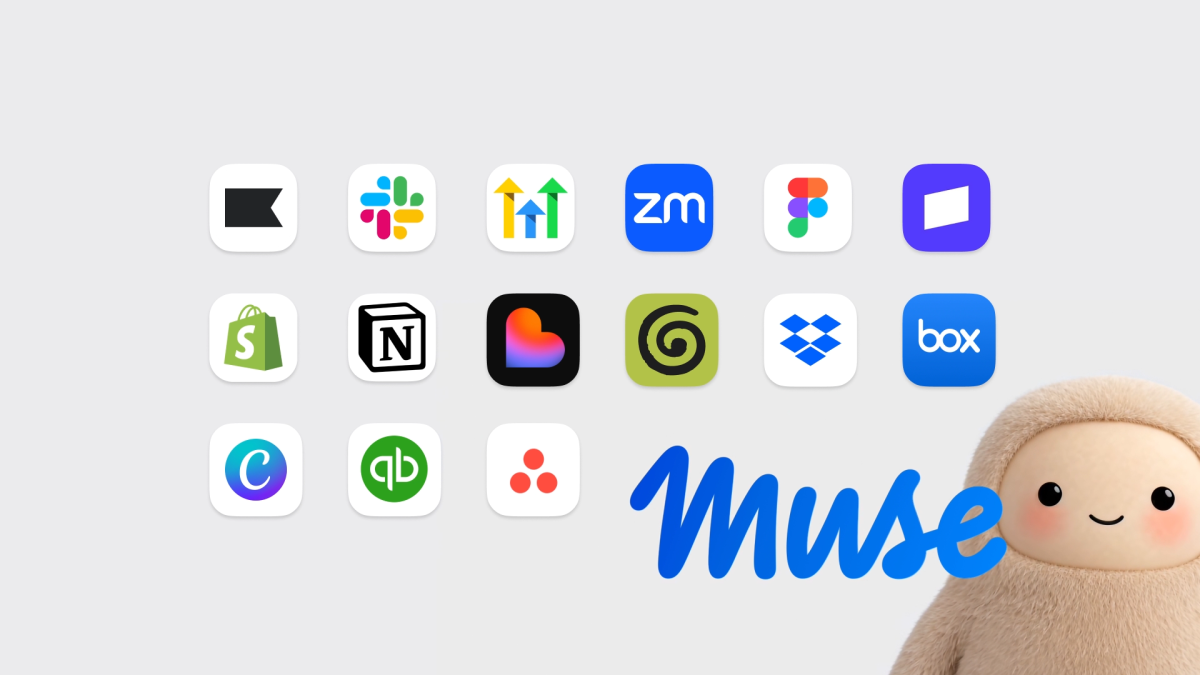
At launch, it connects to Shopify, Dropbox, and Slack, plus Asana, Box, Canva, Figma, Granola, HighLevel, Intuit QuickBooks, Klaviyo, Lovable, Notion, Stripe, and Zoom. Meta pitches this as practical help. Those links cover selling, file storage, chat, bookkeeping, marketing, design, and video calls under one permission setup. The agent can then pull orders, files, messages, and payments without forcing owners to switch tools.
Pricing is based on how much you use, which is common for business software. It is free with limits, with a paid plan for more use. Meta has not shared the limits or price in the materials covered here. The setup separates a light tryout from regular use.
The launch is part of a bigger business push. Meta started the Meta Enterprise Platform to turn its AI tools into products companies can use themselves. Meta It hired MongoDB CEO Chirantan "CJ" Desai to lead the new business AI work. Meta also offers Meta AI for Business, with AI skills to help owners and creators check results and learn about competitors. Separately, Meta has plans for a cloud business to sell AI computer power and models. Bloomberg
The consumer Muse moved markets first. Shares of big banks, insurers, and online travel firms fell on September 22 on fears about Muse. Bloomberg Investors worried Meta's size could make Muse a strong price-comparison tool that helps people find cheaper options. Reuters
The broader context here matters for buyers. Think of Muse as a shop clerk who already knows the products, files, and ads. It pulls sales data from Shopify and Stripe, design files from Canva and Figma, and reach from Instagram, Facebook Pages, and Meta ad accounts. That removes steps that once needed extra tools or manual copying. If permission controls, action records, and data storage hold up, tiny teams with no tech staff could save time. In my view, the test is not answering questions, but doing jobs reliably with rules owners understand. If shops adopt it, they could hand off daily work while finding customers inside Meta's system, paying by use not by seat.