Meta Just Launched Muse, an AI Helper for Everyday Life
Meta has launched Muse, a new AI helper for everyday life, at its yearly Connect event. The week also brought new AI releases from OpenAI and Anthropic, but TechCrunch's Equity podcast hosts Kirsten Korosec, Sean O'Kane and Anthony Ha said Meta's news drew the most attention. TechCrunch
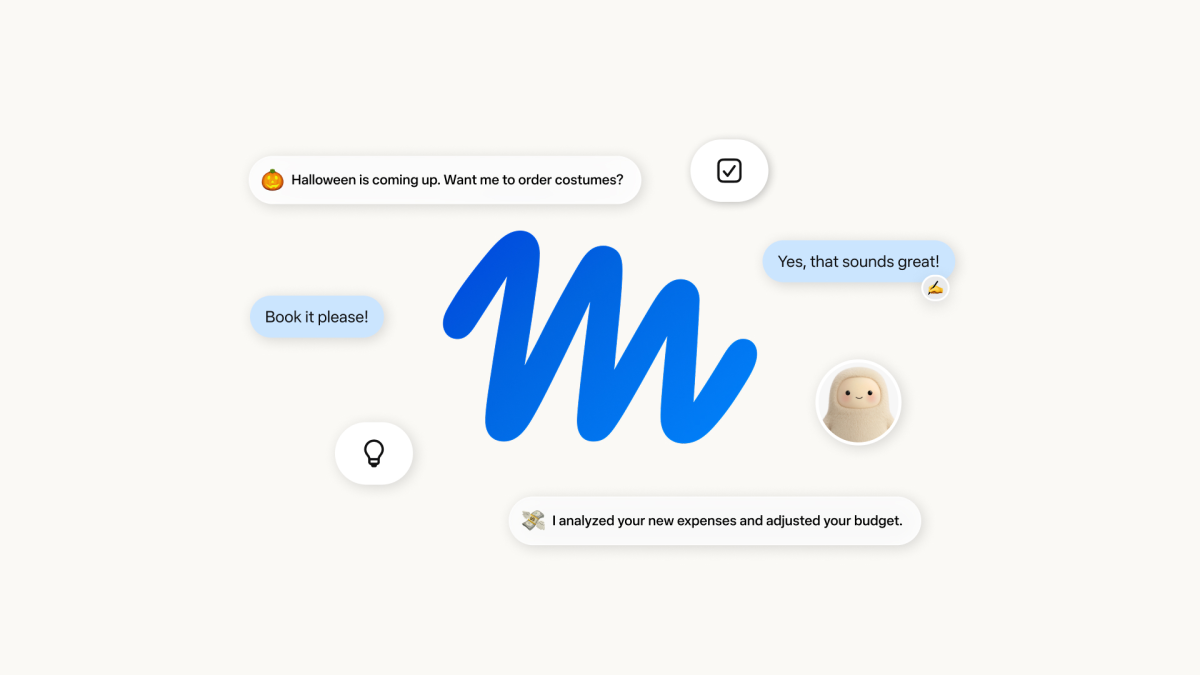
Muse is Meta's bet on AI for regular people. Other big AI labs have lately focused on tools for programmers and office work. Meta says Muse is for personal, daily tasks.
Meta announced new features for the Muse AI app at its Connect 2026 developer conference and opened an early access program. TechCrunch Muse is not being sold as a single AI model. It is an app that can take actions for you, and access is limited while Meta works on how it uses tools, asks permission, and avoids mistakes.
The AI push came with new devices. Meta said its Connect 2026 news centered on personal AI helpers for everyone and devices to reach them anywhere. Meta The event ran for two days and covered new AI models and products as well as VR and AI glasses.
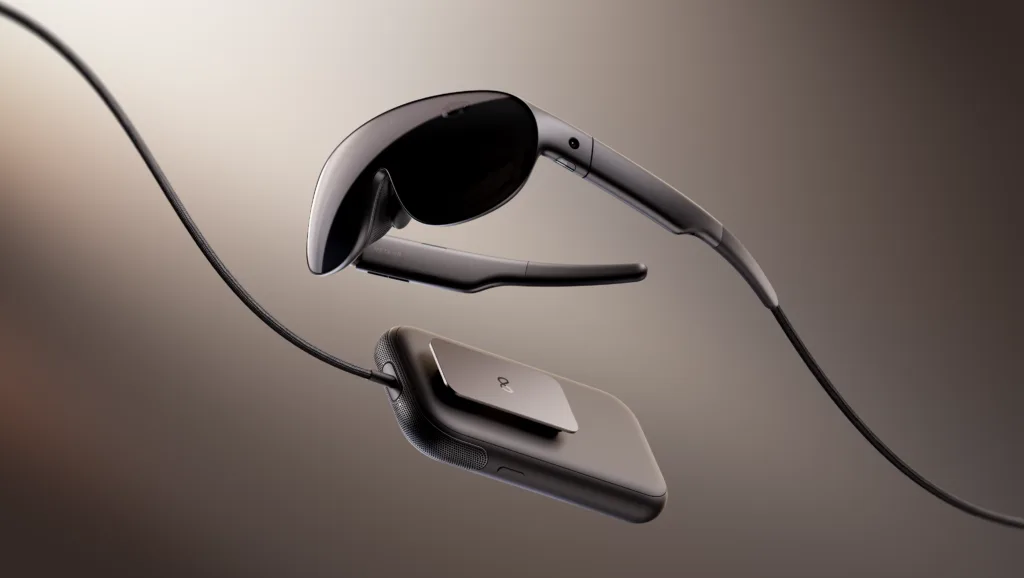
For glasses, Meta announced Ray-Ban Meta Audio, its first audio glasses, and called it part of its largest expansion of AI glasses styles so far. It also showed audio-only smart glasses that are not yet released, with units seen around the event. In VR, Meta returned to a light glasses shape and added entertainment options including IMAX. TechCrunch
Another reveal was a small Tamagotchi-style AI device that Meta says is for adults only. Meta has not shared how you control it or what work happens on the device itself versus on distant servers. That leaves open basic questions for builders: how it keeps track of tasks, what it remembers, its microphone and camera rules, and what runs locally.
Early tests were mixed. O'Kane tried Muse and said it found him some unclaimed money. He called it more of a "party-trick type thing" than something he would use every day.
The Equity hosts asked if people can trust Meta's AI with private details, noting that Meta makes money from ads. A helpful agent needs access to email, calendars, past purchases, location, and often money or health-related details. That is much wider access than a chatbot that answers general questions. It makes storage rules, limits on ad targeting, and controls such as activity records and deletion promises central.
For background, Meta released an AI model for developers with emphasis on open access. It planned to start making an AI chip in September as it looks to double computing power, with plans for 14 gigawatts of computing capacity. Reuters Bloomberg News also reported that Meta Platforms is building a cloud business to sell extra AI computing power.
The broader context here is a split in plans. Business software makers are building agents for offices with logins, rules, and clear task results. Meta is building for phones, glasses, and social apps, where people speak briefly and on the go. Both need the same basics, like calling other services, checking answers against real data, and handling multi-step jobs. They tend to fail in different ways. One fails because setup is costly. The other fails on trust.
In my view, trust matters more for Muse than a good demo. People have shared a lot of social data with Meta, but an agent is different. It acts for you, like an assistant running errands. The key questions are what permissions you give it, how it explains a multi-step job before it acts, what it remembers by default, and whether ad systems are kept apart from what the agent remembers at work.
Looking further ahead, there is reason for careful hope. Helpers that work across glasses, audio, and phone could make routine online chores easier, from sorting messages to filling forms. My own children picked up phones and voice tools faster than any guide predicted, then saw them as normal and wanted them to work better. If Meta can turn a party trick into a daily habit without crossing the trust line, Muse will matter more than this week's rankings. If not, it will stay a neat demo tied to good hardware.