New SteelSeries Gaming Mice Let You Swap Batteries Instead of Charging
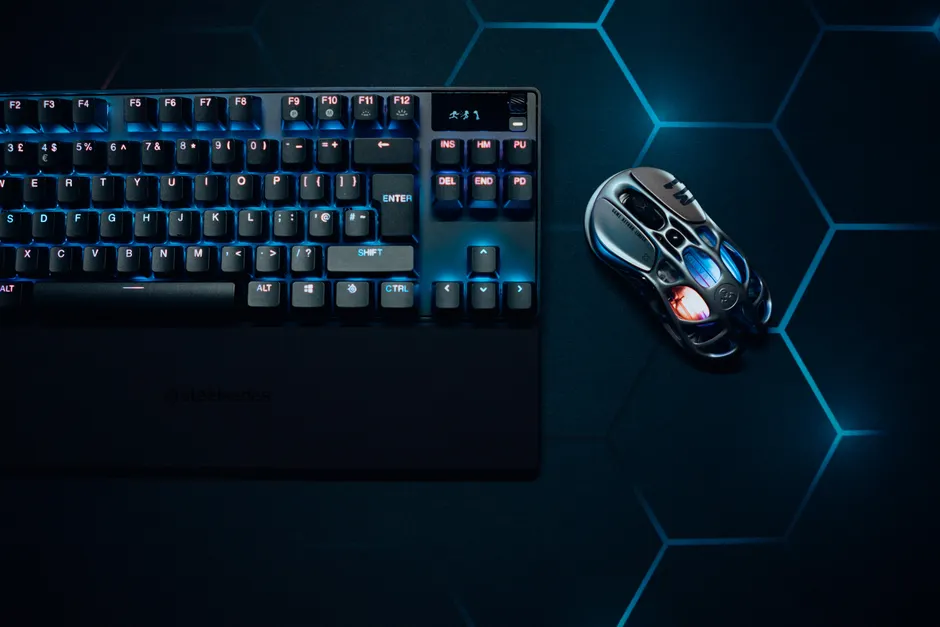
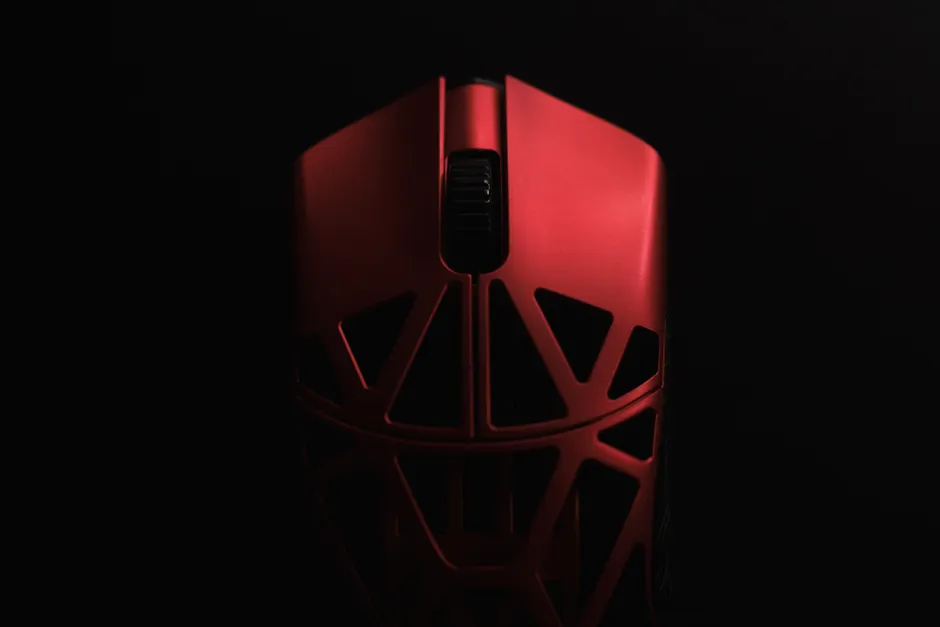
SteelSeries has released two new wireless gaming mice, the Rival Pro and the Sensei Pro. The Rival Pro is shaped for right-handed hands, and the Sensei Pro is shaped to work for either hand. Both cost $179, can be ordered now, and ship on October 13, according to The Verge.
Both mice are very light. They weigh 53 grams in black and 54 grams in white. SteelSeries will also sell smaller versions of both shapes. Those minis weigh four grams less and cost the same price.
The mice do not use a built-in battery that must be charged with a cable. They use small round batteries that can be pulled out and swapped, much like remote-control batteries. They come with a wireless base station. The station pairs the mouse and keeps a spare battery charged. When one runs low, you swap in the charged one and keep playing. SteelSeries calls this "Infinite Power".
How long a battery lasts depends on polling rate. That is how many times per second the mouse tells the computer where it is. Each battery lasts 16 hours at 8,000 reports per second and 60 hours at 1,000 reports per second. The faster setting uses power almost four times as quickly.
The mice also use a different kind of wireless. Most mice use 2.4GHz, the same crowded space as Wi-Fi and Bluetooth. These mice use ultra-wideband, between 6.4GHz and 9.056GHz, to talk to the base station. It is like moving to a clearer lane to avoid traffic. SteelSeries says this gives 20 times more data room and less delay. That matters at 8,000 reports per second, when only 125 microseconds pass between updates and the signal must share airspace with other wireless devices.
Settings are handled in the SteelSeries GG app. A new SuperSync feature lets click speed and movement tracking use different rates. For example, clicks can stay at 8,000 reports per second while movement drops to 4,000, which keeps buttons fast but saves power. A Smart DPI feature changes mouse sensitivity on its own when you move between a game and menus. GG now works in the Chrome or Edge web browser, so you do not need to install a separate program.
The small models were seen early in store listings. The Rival Pro Mini was listed at 49 grams, which fits the four-gram saving now confirmed TechPowerUp. Other listings said the Mini has a PAW3950 sensor, clicks rated for 100 million presses, and feet made fully from PTFE, a slippery material that helps the mouse glide Yahoo Tech.
The broader context here is that three problems are now handled separately. Power is handled at the base station. Clicks and movement can be adjusted on their own. Wireless crowding is handled by picking a clearer radio band.
In my view, that split is good for players. In the past, a sealed battery meant you had to pick between light weight, long life, and top speed. A battery you can swap removes that hard choice. Office and school computer managers should know the browser setup is easier to use but brings browser permission rules they should check.
The long-term upside here is simple. If the new wireless stays steady and the split settings let players keep fast clicks with less power use, light wireless mice can feel more like wired mice, with no cable or charging pause.