Razer's New Gaming Mouse and Mousepad Are Built to Work Together

Razer's New Gaming Mouse and Mousepad Are Built to Work Together
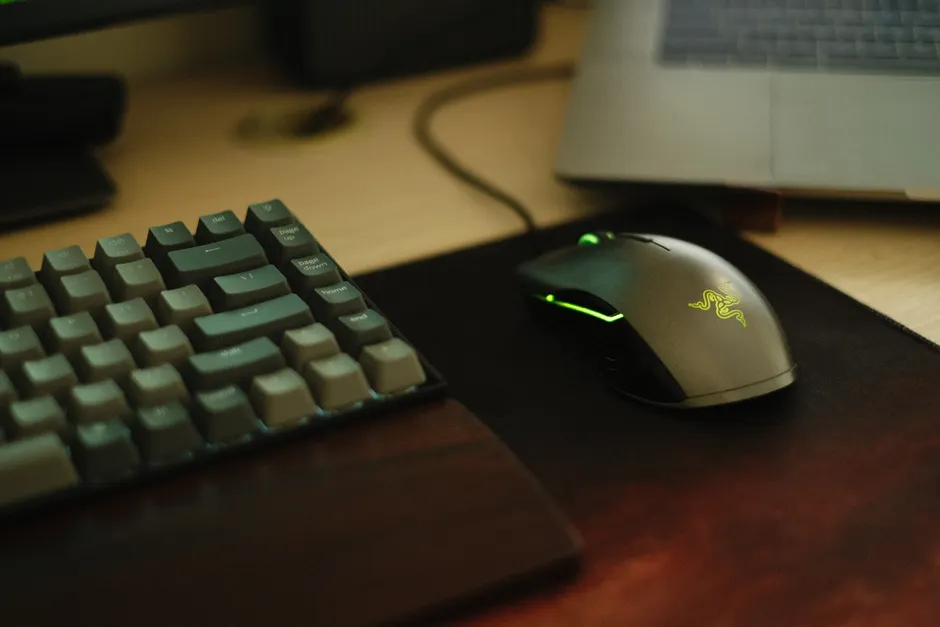
Razer has released two new gaming products designed to work as a pair: the Viper V4 Pro wireless mouse and the Gigantus V2 Pro mousepad. Both are aimed at serious competitive gamers—the kind who play in tournaments or stream professionally. The mouse is lighter and faster than older versions, while the mousepad comes in five different surface textures, each one designed to feel different under your hand.
What Makes the V4 Pro Mouse Special
The Viper V4 Pro uses wireless technology, meaning no cable gets in your way. For competitive gaming, wireless used to be risky because it introduced tiny delays between your movement and what happens on screen. Razer has worked to eliminate that problem.
The mouse focuses on three things: making it lighter so you can move it faster, making the cursor more precise when you're aiming, and reducing the delay between your hand movement and the game's response. In competitive games where a few milliseconds can mean the difference between winning and losing, these details matter.
The mouse sends information to your computer 1000 times per second or more (called the "polling rate"). A typical office mouse sends updates only 125 times per second. That extra speed is what professional players rely on in fast-paced games.
The Mousepad With Five Different Feels
The Gigantus V2 Pro mousepad is unusual because it offers five different surface speeds. Think of it like choosing between a rough sandpaper and a smooth piece of glass—both surfaces work, but they feel completely different and change how your mouse glides.
Different competitive games reward different mousepad textures. A faster, smoother surface lets you whip your cursor around quickly. A slower, grippier surface gives you finer control for precise aiming. By offering five options, Razer lets players pick whichever one suits their style.
This is actually more practical than it sounds. Professional sports have always had this kind of customization—tennis players choose different string types to change how the racquet feels. Competitive gamers are starting to do the same thing with their equipment.
Why These Products Matter for Professional Gaming
Razer says it's the top choice among professional esports players for gaming mice. That matters because professional tournaments have become big business, with prize pools worth millions of dollars. When the stakes are that high, even tiny improvements in equipment can influence who wins.
Twenty years ago, competitive gamers used regular office mice or basic gaming versions. Today, companies spend serious money on engineering gaming mice with specialized sensors and materials. This shift happened because competitive gaming itself changed—it went from hobbyist competitions to televised tournaments with professional players earning real salaries.
The fact that Razer is selling the mouse and mousepad together tells you something about how the company thinks about gaming equipment. Rather than perfecting the mouse alone, Razer is optimizing how the mouse and pad work together. Professional teams like this approach because it reduces guesswork about which products will play nicely together.
The Practical Side of Wireless Gaming
One real challenge with wireless gaming mice is battery life. The faster the mouse sends signals to your computer, the more power it drains. Get the polling rate too high and you're charging the mouse constantly. Get it too low and you introduce noticeable lag that hurts gameplay.
Modern gaming mice handle this by adjusting their polling rate depending on what you're doing. When you're actively playing, the mouse runs at maximum speed. When you're just moving the cursor around your desktop, it throttles back to save battery. It's a simple idea that makes the hardware much more practical.
What's Next
The broader context here is that competitive gaming equipment keeps getting more specialized and integrated. Razer isn't just making a better mouse. It's making a mouse and pad system designed to perform together, with software tuning layered on top. This approach gives Razer a chance to understand what different gamers need across different games, which informs what they build next.
As esports continues to grow, we'll likely see more of these kinds of integrated equipment systems. The V4 Pro and Gigantus V2 Pro are where that trend stands today.