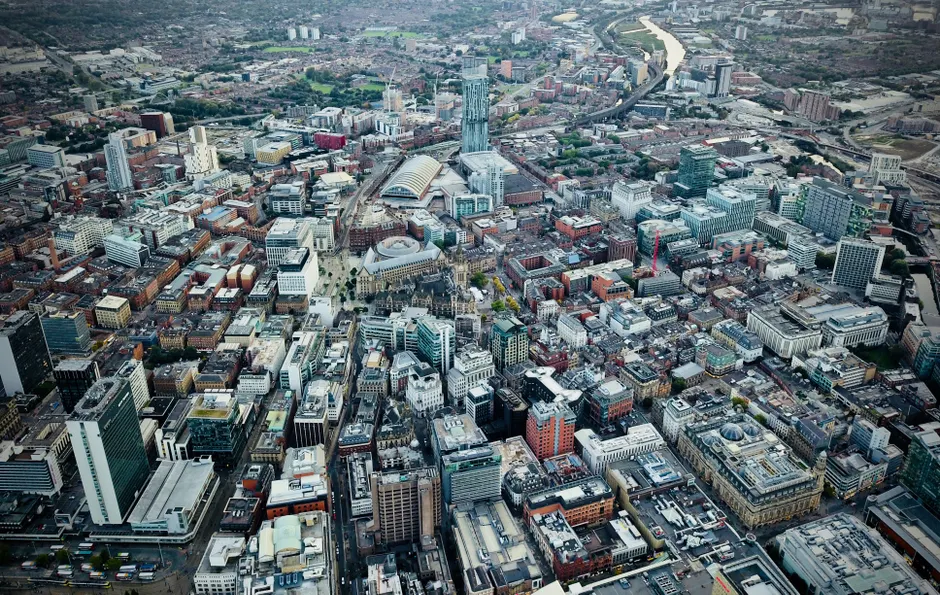
What Does Andy Burnham Really Want if He Becomes Prime Minister?
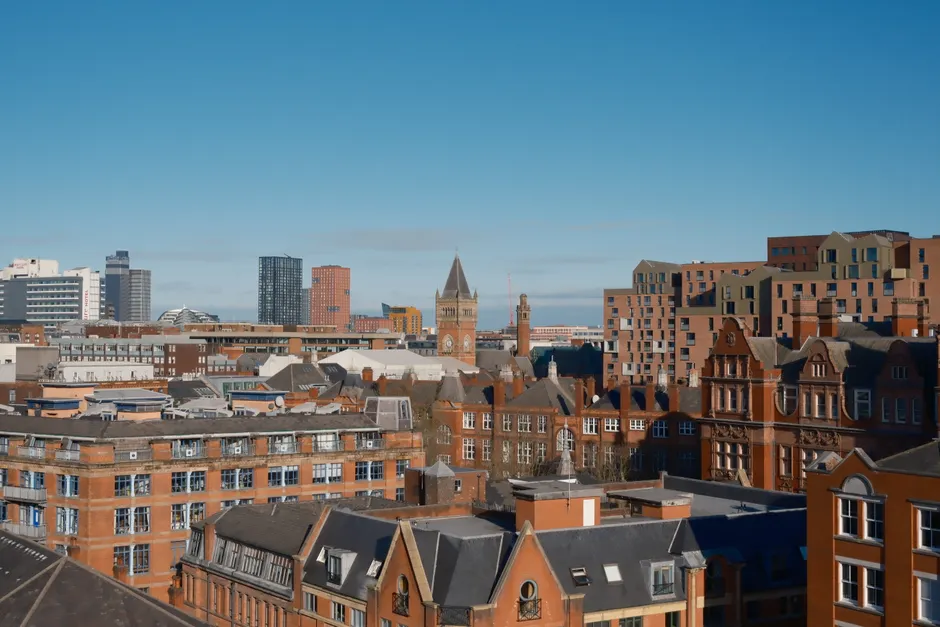
Andy Burnham, the elected leader of Greater Manchester, says he would only go back to national politics in Westminster if he could fight against the way Britain concentrates power in London. His idea is bold: he wants to move some prime ministerial offices to Manchester and run the country from there, according to the Financial Times.
This matters because of what he is saying underneath. Burnham is not claiming that running the country would be a promotion for him personally. Instead, he is saying it would be a continuation of what he has already started — giving more power to regions outside London.
Burnham has real credibility here. He was elected Mayor of Greater Manchester in 2017, and in 2021 he was re-elected by winning every single ward. That is a strong result that shows people in his area trust him.
His conditions for moving to national office are backed by this success. He is not just preferring devolution reform — he is saying it would be a requirement. That gives him real bargaining power.
The problem Burnham is identifying exists across British politics: England gives almost all important decisions to London and the Treasury (the government's finance ministry). Other wealthy countries let their regions control much more money and decision-making. Greater Manchester has been given more power than most English regions since 2014, but still has less control than Burnham and other regional leaders have repeatedly asked for.
Moving prime ministerial offices to Manchester would be unusual. Downing Street is not just a place where prime ministers work — it is also where diplomacy happens and where the Cabinet meets. Splitting that operation between two cities would raise practical questions about security, staff, and how meetings would actually work. It is not yet clear whether Burnham is proposing an actual plan or using this as a symbol for his larger goal.
Burnham is speaking to two different groups. First, Labour party members and trade unions would choose the next party leader. Second, regional leaders and mayors across northern and central England have been asking for more power since at least 2014. By making his position public this way, he appeals to both.
This argument about centralisation is harder to ignore right now. Councils across England are running out of money, and the Treasury is not giving them more control. Devolution has stopped being a regional interest story — it is now about whether local government can actually do what the law requires it to do.
What happens next depends on timing and Labour's politics. But Burnham has made a clear public statement with specific conditions. Once you say something that directly in politics, taking it back costs you. He is now committed to pushing for real devolution change, not just small improvements.