Ebola Reaches France: What You Need to Know About the African Outbreak

On June 24, 2026, France confirmed its first case of Ebola virus disease—a doctor who had been working in the Democratic Republic of Congo and returned home sick. This is the first time this particular Ebola outbreak has reached a wealthy, well-developed country, and it has public health officials around the world watching closely.
The outbreak in the DRC is growing quickly. By mid-June, the DRC had recorded 710 confirmed cases and 149 deaths, according to Reuters, with new cases appearing in more regions almost daily. The World Health Organization (WHO) was tracking hundreds of suspected cases, though many turned out not to be Ebola after laboratory testing.
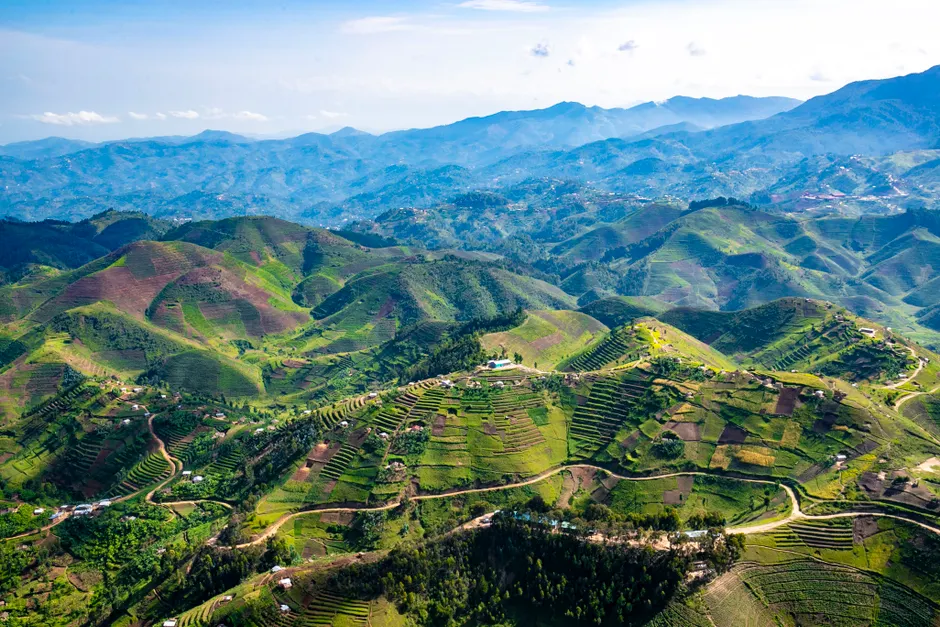
The outbreak is happening in three provinces in the eastern part of the DRC: Ituri, North Kivu, and South Kivu. This is a region torn apart by decades of conflict. Hospitals and clinics are damaged or understaffed. Millions of people have been displaced from their homes and live in crowded camps where disease spreads easily.
The Type of Ebola Matters
This outbreak is caused by a type of Ebola called Bundibugyo. It was first found in Uganda in 2007. Between 25 and 36 percent of people who catch it die—which is serious, but less deadly than other Ebola strains from past outbreaks.
The real problem is this: doctors have vaccines for other types of Ebola, but not for Bundibugyo. A vaccine like Ervebo protects people against Zaire virus (which caused the massive 2014–2016 West Africa epidemic) but does nothing against Bundibugyo. This means the main tool health workers have used to stop past Ebola outbreaks—vaccinating people who had contact with sick people—cannot be used here. Instead, teams have to find everyone who had close contact with infected people, keep them separated, and provide medical care.
Both the DRC and Uganda have reported cases, which means the virus is crossing borders.
Why One Case in France Isn't as Scary as It Sounds
One person getting sick in France does not mean Ebola is spreading to the French population. The doctor caught Ebola while working in the DRC, not in France. When she came home and got sick, French hospitals immediately isolated her and began tracing everyone she had contact with.
France has hospitals with high-level isolation units, fast laboratory testing, and doctors trained for this. The conditions for Ebola to spread are very different from eastern DRC, where hospitals are damaged, people live close together in camps, and resources are scarce.
But the case does matter for aid organizations. Groups like Médecins Sans Frontières and the Red Cross send doctors and nurses to work in the DRC regularly. They face a harder choice now: the people they send could catch Ebola. Organizations are reviewing their safety procedures and evacuation plans this week.
The outbreak in the DRC will likely continue for weeks. With no vaccine available and cases scattered across a region in the middle of conflict, stopping it will be harder than past efforts.