Congo's Ebola Outbreak Is Spreading Faster Than Ever—And There's No Vaccine Yet
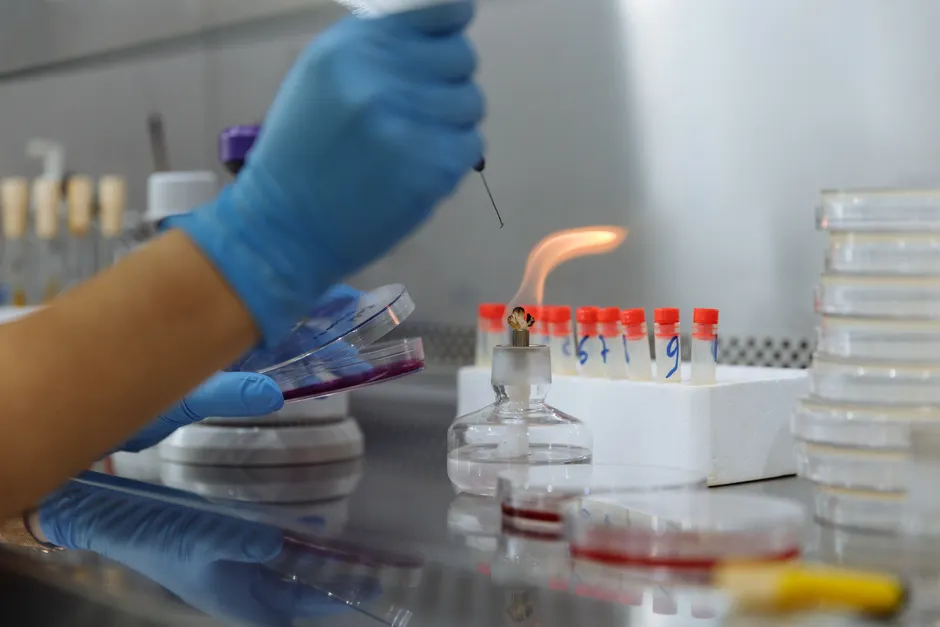
As of July 4, 2026, the World Health Organization confirmed at least 506 deaths and 1,561 cases of Ebola in the Democratic Republic of Congo. The Congolese government released the same numbers on July 5, according to CGTN Africa, confirming the count.
This is Congo's 17th Ebola outbreak since the disease was first identified there. What makes this one different is how fast it is spreading. The WHO said the first month of this outbreak was worse than any Ebola outbreak Congo has ever had. The virus is called Bundibugyo (BDBV). Unlike previous strains, there is no approved vaccine and no approved treatment for it—only experimental medicines being tested now.
Where the Virus Is Spreading
The outbreak began in a town called Mongbwalu in Ituri province. Three health zones were declared affected: Rwampara, Mongwalu, and Bunia. A research lab called INRB confirmed 8 positive cases from 13 samples on May 14. About half of the people who have caught Ebola in Ituri have died.
North Kivu province, another affected area, has been hit even harder. More than half the people who catch Ebola there are dying—57.4 percent. This high death rate is linked to a bigger problem: North Kivu has been torn apart by armed conflict for years. Health clinics are damaged. Disease tracking systems barely work. People do not trust the government's health efforts. When people arrive at hospitals very sick or when cases go undetected, more die.
Two people in Uganda caught the virus after traveling from Congo. Uganda has recorded 2 deaths and 20 confirmed cases so far. On May 16, the WHO declared this a Public Health Emergency of International Concern—essentially a global alert—because the virus had already crossed into another country.
How Fast Is It Spreading?
The numbers show how quickly this is accelerating. In late May, there were only about 85 confirmed cases. Six weeks later, on July 1, there were 1,460 cases and 452 deaths. By July 4, that had jumped to 1,561 cases and 506 deaths. In three days, roughly 100 new cases and 54 new deaths appeared. The spread is not slowing down.
Because there is no vaccine or approved treatment, doctors are trying experimental drugs. A test of two new medicines began around July 2, according to Al Jazeera. The WHO also approved a new diagnostic test that can identify Bundibugyo specifically—this matters because faster diagnosis means sick people can be isolated sooner. Regional health officials from Congo, Uganda, and South Sudan met in May to plan a coordinated response.
But these steps face real obstacles. A clinical trial that started in July will not produce results for months. Even experimental medicines need to be made in large quantities, kept cold during shipment, and given to patients by trained staff—all of which is extremely difficult in areas affected by disease and conflict.
What happened before this outbreak is also important. Congo's last Ebola outbreak ended in December 2025—less than six months before this new one started. That means health workers are exhausted, disease tracking systems are stretched thin, and medical supplies are already running low. An outbreak with no vaccine, spreading through an area torn by fighting, with such a high death rate—this is the toughest situation Congo's health system has faced in recent years. The death toll will likely go higher.


