Why Over a Million Sudanese Refugees in Chad Are Running Out of Food and Shelter

More than one million Sudanese refugees are now in Chad, facing severe shortages of food, water, and shelter. As of April 2026, the aid money needed to support them is running dry, according to UNHCR, the UN agency that helps refugees worldwide.
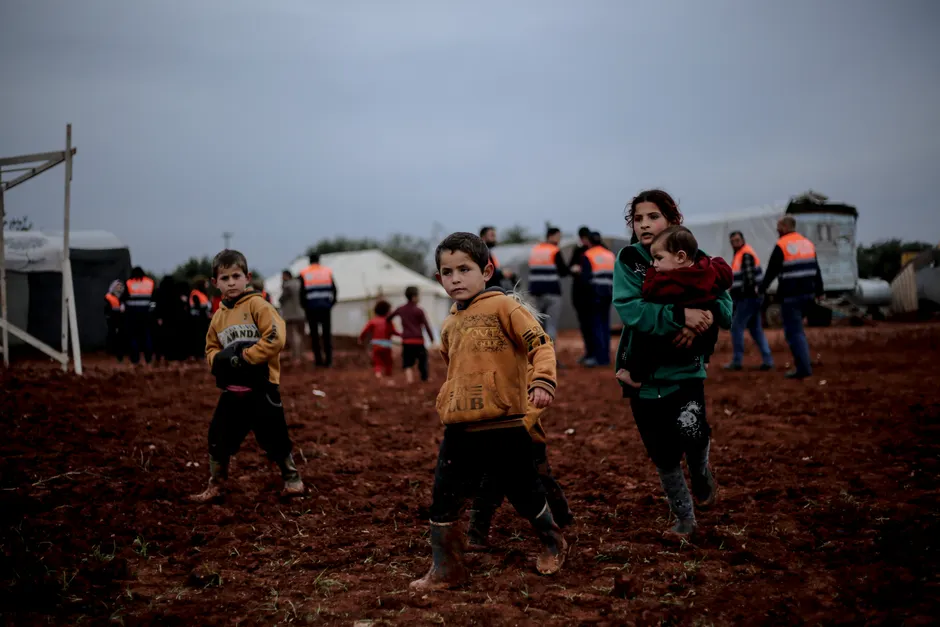
Most of these refugees fled Sudan's war, which began in April 2023 between two rival military forces — the Sudanese Armed Forces and the Rapid Support Forces. Since then, more than 900,000 Sudanese have crossed into eastern Chad. By the end of February 2026, Chad was hosting 1.3 million Sudanese refugees, most living in camps in eastern provinces. Camps like Iridimi were meant to be temporary shelters, but they have become permanent homes. In April 2026 alone, new violence in Darfur — a region of Sudan — forced more than 100,000 additional people to flee.
Those who escaped Sudan face a hunger crisis back home that continues to worsen. Nearly 25 million people in Sudan — roughly half the country's population — are facing severe hunger. As of May 2026, nearly 20 million people are in acute hunger, and more than 800,000 children are at risk of severe malnutrition. Famine — when people are starving and dying from lack of food — has been officially declared in one area of Sudan and is a serious threat in 14 others. Five zones in North Darfur, including the city of el-Fasher, were expected to reach famine conditions by late 2024.
El-Fasher is surrounded by one of the military forces and cut off from the outside world. Hundreds of thousands of people are trapped there, and food cannot reach them easily, according to Reuters reporting from August 2025. Satellite images and ground reports found 14 expanding cemeteries across Darfur, showing how many people are dying from hunger and disease. Civilians have been so desperate they eat soil and leaves. Both military sides have been documented preventing food aid from reaching civilians, turning hunger into a weapon in a war that has displaced more than 14 million people overall.
Why Chad Cannot Handle This Alone
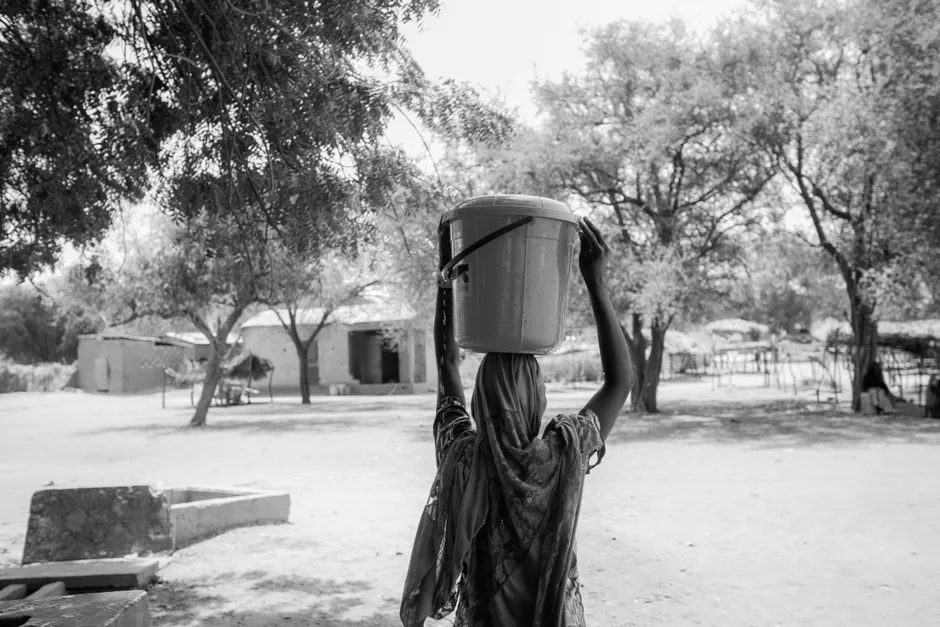
Chad is one of the poorest countries in the world and cannot afford to feed and shelter such a massive number of refugees on its own. It already depends heavily on aid from other countries. Now it is hosting a refugee population larger than many independent nations. In February 2026, Chad closed its border with Sudan after armed fighters crossed over. This was done for security reasons, but it also means people fleeing Sudan now have nowhere safe to go.
The money available to help is nowhere near enough. The UN asked for $1.6 billion for Sudan in February 2026. UNHCR separately needs $928.9 million just to help refugees in the region. With about 4.3 million Sudanese refugees spread across neighboring countries, mostly in Egypt and Chad, the funding shortfall is enormous. Aid organizations like the World Food Programme have worked in Chad for decades and have the equipment and knowledge to respond quickly. But they cannot do their work without money.
Sudan's crisis has not captured the world's attention the way other conflicts have. The war in Ukraine and the conflict in Gaza get far more media coverage and donor funding. When the UN officially declares famine — which is a serious step — it sometimes triggers emergency money. But for Sudan, the gap between what is needed and what donors are giving has actually grown wider over the past two years.
What is happening right now in eastern Chad tells the real story: families sleeping under trees, children becoming dangerously malnourished. This is what happens when a war has no peace agreement, when international diplomacy fails, and when one side blocks food from reaching hungry people. The 1.3 million refugees in Chad are not going home soon. Without either an end to the war or much more money from donor countries, aid organizations will be forced to manage a long-term crisis with emergency budgets. That simply will not work.