Two Massive Earthquakes Hit Venezuela—Here's What You Need to Know

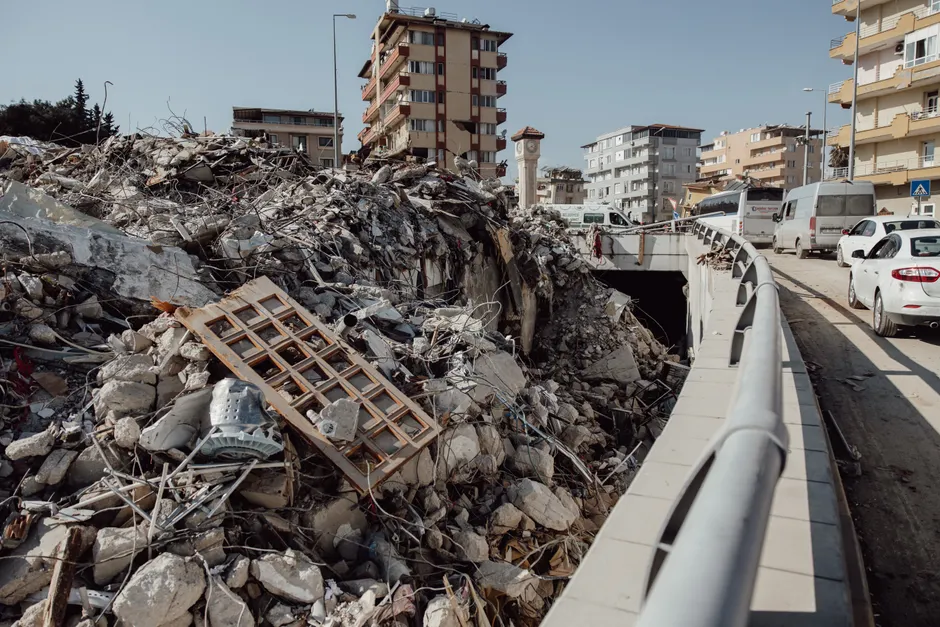
Two very strong earthquakes struck Venezuela on June 24, 2026, within seconds of each other. One measured 7.2 in strength, the other 7.5—both are considered major earthquakes. They hit near a town called Yumare, about 200 kilometers west of the capital, Caracas, in a region where earthquakes are common because of how the Earth's plates move. The U.S. Geological Survey warned that the damage and loss of life could be severe.
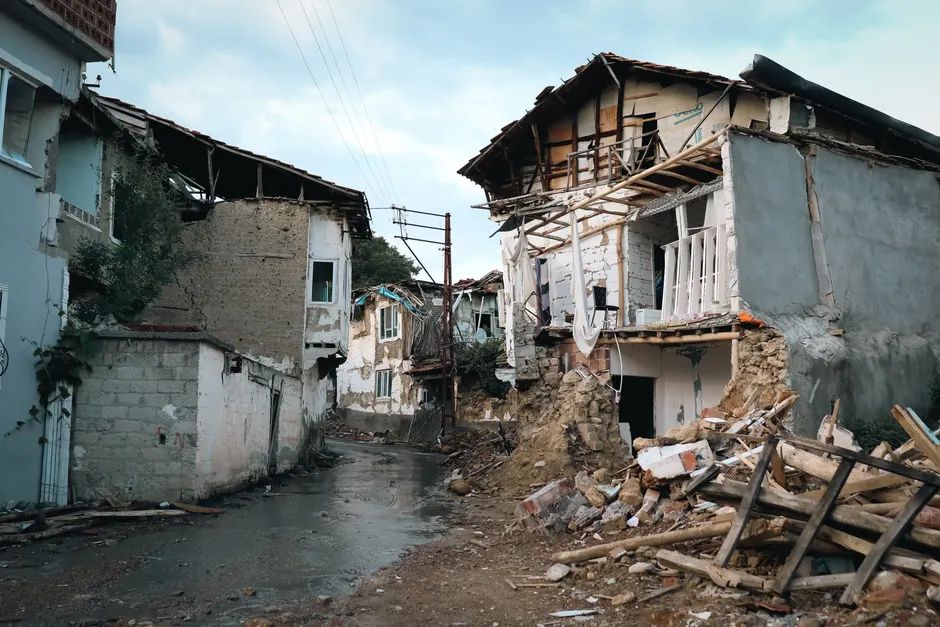
When earthquakes are this strong and hit close to the surface, the ground shakes violently across a large area. In Venezuela's affected region, many buildings are made of adobe (sun-dried brick) or concrete without reinforcement, which means they can collapse more easily when the Earth moves. Cities and poor neighborhoods in the area faced the greatest risk.
Two earthquakes this large hitting so close together is rare but not impossible. Scientists need to study the data to understand if one caused the other or if they happened on separate fault lines at nearly the same time. Either way, rescue teams had to deal with damage spread across different zones, each from a different earthquake.
On June 25, President Nicolás Maduro announced that Venezuela was in a state of emergency. But he didn't say how many people had died. This is normal right after a big earthquake—rescue teams are still searching for survivors, hospitals are treating the injured, and phone networks in the damaged areas don't work well. Because of this, aid organizations had to guess at the number of victims based on computer models rather than actual counts.
Here's where things get complicated. The United States said it was sending help to Venezuela. That's significant because the two countries have not had good relations for many years and don't even have ambassadors in each other's capitals. Sometimes disasters can create temporary openings for cooperation between rivals, but Venezuela's government has often been hesitant about accepting American aid for political reasons.
Venezuela is in a weak position to handle this crisis on its own. The country has faced years of economic problems, money shortages, and has neglected its emergency services. The government fund that used to pay for disaster response has run out of money. Local health groups are doing what they can, but a disaster this big needs help from other countries. Who Venezuela accepts aid from—and how quickly—could affect how many people survive.
History matters here too. In 1812, a similar-sized earthquake destroyed Caracas and killed thousands. In 1967, another major earthquake damaged modern buildings and showed that construction standards needed improvement—a lesson the region still grapples with. The area hit this week has seen dangerous earthquakes before, but two this big, this close together, is at the extreme end of what has been recorded there.
Over the next few days, we'll learn the real numbers—how many died, where the worst damage is, what buildings fell. Right now, all we know is that Venezuela faces a very serious emergency, its government says it needs help, and other countries are already moving to respond.