Two Massive Earthquakes Hit Venezuela Within Seconds—Here's What That Means
Two Massive Earthquakes Hit Venezuela Within Seconds—Here's What That Means
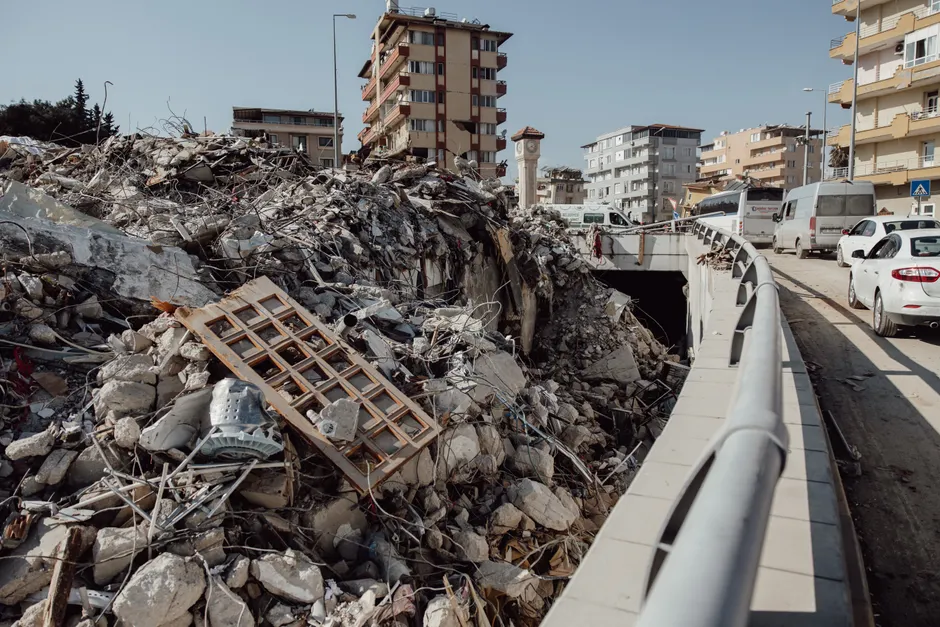
A magnitude 7.2 earthquake struck Venezuela on June 24, 2026, and then 39 seconds later, a stronger 7.5 magnitude earthquake hit the same region. Both quakes were centered near a town called Yumare in Yaracuy state, about 180 kilometers from the capital, Caracas, according to the U.S. Geological Survey (USGS) and Reuters. Buildings collapsed in Caracas, and people were trapped under rubble.
Why These Earthquakes Hit So Close Together
Venezuela sits where two massive pieces of the Earth's crust meet — the Caribbean plate and the South American plate. This boundary is unstable, which is why earthquakes happen here. When a foreshock (the first, smaller quake) hits, it can crack and weaken buildings. When the mainshock (the larger earthquake) follows just 39 seconds later, those already-damaged buildings are far more likely to collapse completely. In a densely packed city like Caracas, this one-two punch probably caused more deaths and destruction than either earthquake would have caused on its own.
Why Venezuela Was Especially Vulnerable
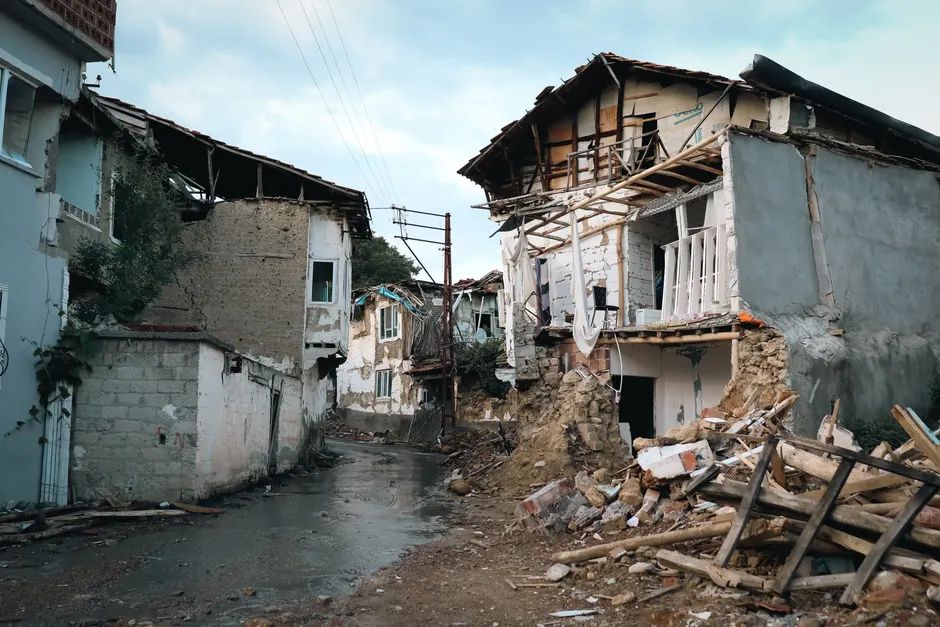
Venezuela's buildings were already in rough condition before these earthquakes hit. The country has faced severe economic hardship for years, so repairs and maintenance have been neglected. Building codes exist that are meant to protect structures during earthquakes, but enforcement has been weak. Many homes, especially in poorer neighborhoods built on hillsides, were not built to withstand strong shaking.
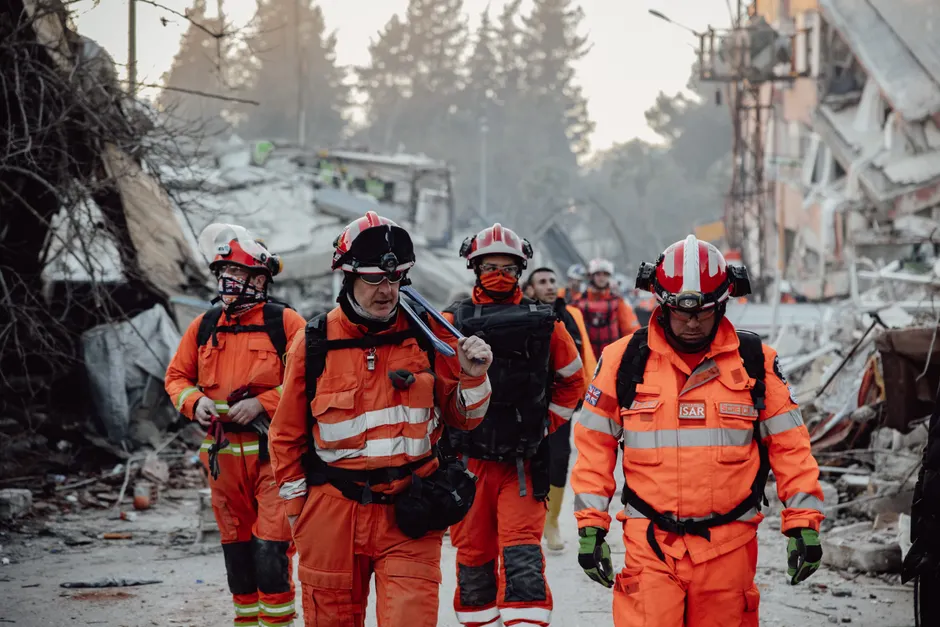
Venezuela also lacks the specialized equipment and trained teams that wealthier countries have ready for disasters like this. The U.S. and Europe have rescue crews that can search through collapsed buildings and pull people out — Venezuela does not have nearly enough of these resources.
The U.S. Steps In — But It's Complicated
Within 24 hours of the earthquakes, the U.S. announced it was sending help. This is significant for two very different reasons.
First, practically: the U.S. has disaster response equipment and teams stationed in the region, and they can deploy quickly. That matters for saving lives in the coming days.
Second, politically: the U.S. and Venezuela are not allies. They have been in conflict for years. The two countries don't even have ambassadors working in each other's capitals. The U.S. has placed financial sanctions on Venezuela and frozen its assets. Against this hostile backdrop, offering humanitarian help is unusual. History shows that disaster aid sometimes builds bridges between enemies, but often the cooperation ends as soon as the crisis passes.
Whether Venezuela's government accepts this U.S. help — or how much it accepts — will say something about both countries' priorities right now.
The Race Against Time
When people are trapped under collapsed buildings, the chances of finding them alive drop sharply after 72 hours. The earthquake hit on June 24, which means that window closes around June 27. Caracas is a city of about 3 million people. Venezuela probably doesn't have enough heavy rescue equipment on its own to save everyone trapped in the rubble. International rescue teams with specialized machinery will likely be the difference between life and death for many people.
Another danger looms: aftershocks. After a 7.5 magnitude earthquake, it's common to get more quakes of magnitude 6 or higher in the first day or two. These secondary shakes can cause already-weakened buildings to fall on rescuers and survivors alike.
Other Options for Help
The U.S. isn't the only country that could help Venezuela. Nearby nations like Colombia, Trinidad and Tobago, and Brazil have rescue capacity and less tense relationships with Caracas. These countries might actually be able to send aid more easily than the U.S. can — there's less political baggage involved. Regional organizations might also help coordinate the response without the friction that comes with direct U.S.-Venezuela dealings.
What Comes Next
Venezuela faces a catastrophe with limited ability to respond on its own. The damaged relations between Venezuela and the U.S. add another layer of difficulty to getting help to people fast. The next 48 hours will determine how many lives are saved and what the relationship between the two countries looks like once this crisis is over.