Why Bigger AI Needs So Much Power and Space

Cerebras Systems CEO and co-founder Andrew Feldman will speak at TechCrunch Disrupt 2026 in a session titled "Can AI Keep Scaling?" TechCrunch
The event runs October 13-15, 2026 at Moscone West in San Francisco. He will discuss the growing need for computing, electricity and space for AI, and how Cerebras plans to handle it.
Feldman helped start Cerebras in 2015. Before that, he helped start SeaMicro, a maker of small servers that AMD bought in 2012. He also led teams at Force10 Networks and Riverstone Networks.
Why systems and power now shape AI growth
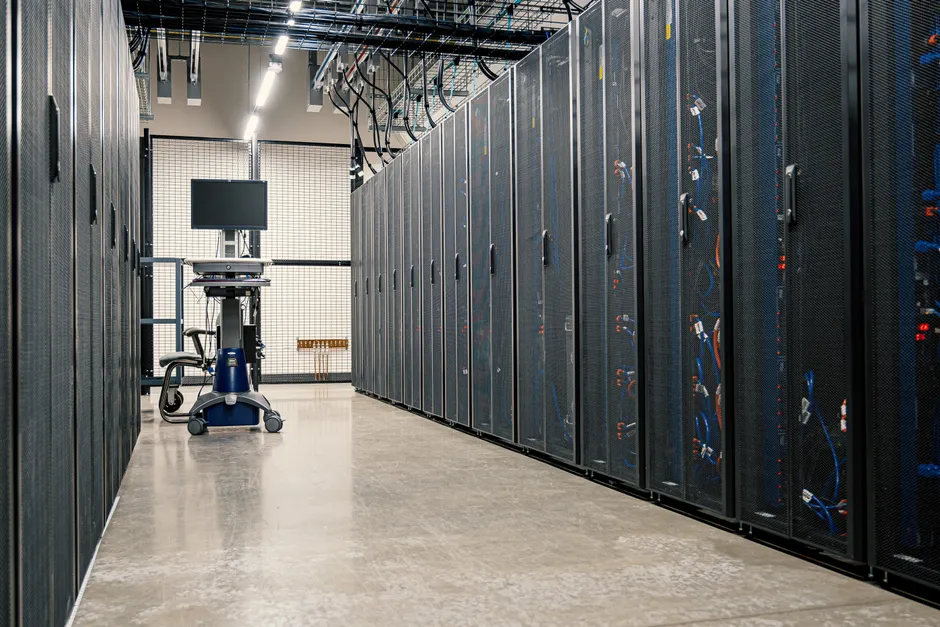
That past work is helpful background here, because growing AI is now a building job as much as a math job. Thousands of chips must work together, with fast links between them and enough power and cooling. Buyers feel it in long orders, data center work and waits for grid power.
What Cerebras brings to the talk
Cerebras offers AI computing two ways: machines for customer data centers and access through its cloud. It makes one very large chip from a whole silicon wafer instead of cutting it into small chips, like baking one large sheet instead of cutting it into cookies. That large design is built for AI jobs. In August 2026, it released CS-4, the newest version. TechCrunch
Two business facts shape the talk. Cerebras raised $5.5 billion in its May IPO before September 30, 2026. It also made a multiyear deal with OpenAI to install 750 megawatts of its systems from 2026 through 2028. TechCrunch
The broader context here is that computers, power and buildings must be planned as one. One large chip keeps data close and links short. It also packs power and heat together, which simplifies wiring but makes finding sites with enough power harder.
In my view, this is the right main-stage question. Public talk often covers model size and training cost. The real limits are simple. Where steady power comes from. How fast machines go in and get data. What stays local for control or speed and what runs in the shared cloud.
Looking at what this means for tech leaders, the OpenAI deal and CS-4 give real examples. A 750-megawatt plan over three years is not a lab test. Power sets the limit. Buyers should compare work done per rack and per megawatt in normal training and daily use, plus running cost. Training teaches a model. Daily use, often called inference, runs it for people.
Worth flagging for new readers is the own-versus-rent choice. Owning fits groups with secure power that must control data. Cloud fits teams that need extra room without building. How Cerebras does both should add useful detail.
What to watch at Disrupt
The program also has a Builders Stage on fundraising, hiring, product-market fit and scaling. It aims at young startups, while Feldman speaks to infrastructure buyers.
Looking ahead, more growth will need machines, power and software built together. That is possible, though not certain. Expect a practical talk about what it takes and what it could open.