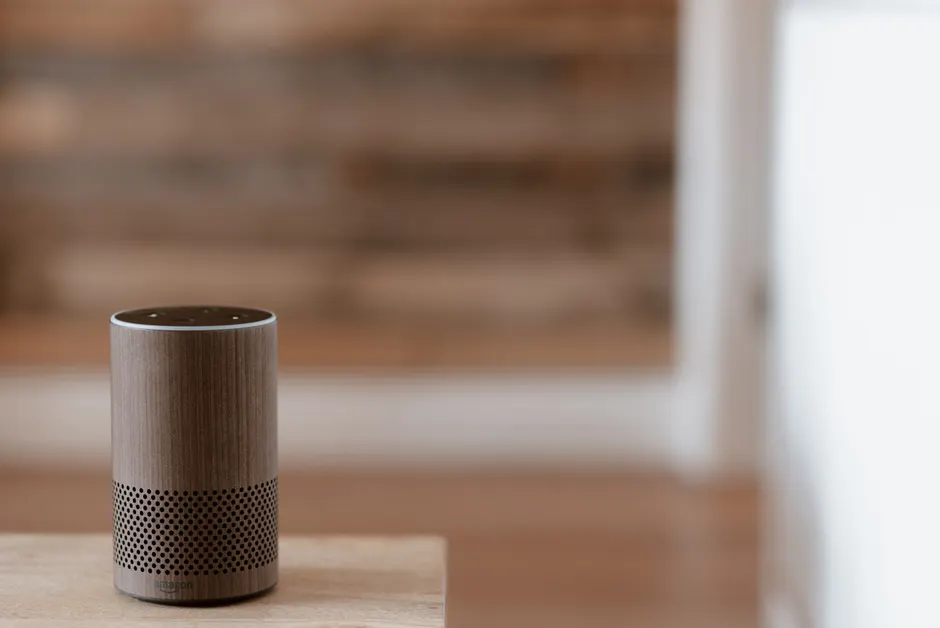
Your Own Home AI Helper Is Almost Here

Cerebras Systems CEO and co-founder Andrew Feldman said on Oct. 13 at TechCrunch Disrupt 2026 that every home will soon have its own personal AI helper. TechCrunch
Feldman said these helpers will do some work on the home device and send the rest to big computers on the internet, like a cell phone. Quick answers and memory of you stay close to home. Bigger jobs and new information stay online.
He said future helpers will know you very well, keep a safety wall around you, and have use of your credit card to buy things for you. Knowing you, keeping others out, and being allowed to pay were the three things he stressed.
He pointed to Meta's Muse and Instinct, a young company valued at $10 billion, as signs that everyday people are starting to use AI helpers. His point was about use, not design. People outside tech are starting to hand over tasks.
Feldman said he uses AI helpers himself to check his calendar and find facts about people he will have calls with. It is a narrow job. They get him ready for meetings without being asked.
The remarks came in an on-stage interview at TechCrunch's own event, TechCrunch Disrupt 2026. Feldman spoke as a builder of computer systems, not as a builder of AI models. Cerebras states a broad catalog of models are available in the cloud and on-premise. Cerebras
Feldman started Cerebras in 2016. Forbes The company went public on the Nasdaq in May 2026. Forbes Its IPO was the year's largest IPO as of May 2026, and left Feldman worth $3.2 billion after the listing. Bloomberg He grew up on the campus of Stanford University. Bloomberg
Feldman has talked about AI equipment and the cost of running AI to answer questions with Bloomberg's Tom Giles. Bloomberg He has said renting out computer power is very profitable. Bloomberg
The broader context here is simple. Delay, cost and privacy all point the same way. Do simple daily tasks at home, and go online only for harder thinking, using tools and looking up fresh facts. Personal help makes this choice sharper. A useful helper must remember your likes, people and past choices for a long time, and that memory is costly to move and risky to share.
In my view, the hard part is not the home box. It is the safety wall and the credit card. Large companies already have rules for who can do what, what is recorded, and giving software only the access it needs. Regular users do not, and should not have to learn that. A helper that knows you well and can spend money needs clear limits, an easy off switch, and clear responsibility when it gets you wrong. Worth flagging, the cell phone comparison fits for connection, but phones took a decade to teach people to approve access app by app. Helpers will need a similarly simple control system before most people trust them to buy.
From what I saw with my own kids, they learned to trust autocomplete, then voice helpers, then chatbots by trying them on safe tasks. Home helpers will likely catch on the same way. Calendar help is a good example. If the helper pulls the wrong bio, the cost is embarrassment. If it books the wrong flight, the cost is real. That difference helps explain why early use is mostly about finding facts, not buying alone, and why good memory plus tight limits will matter more than a smarter model in the next stage.