New Retroid Handheld Gaming Device Built for Classic Games
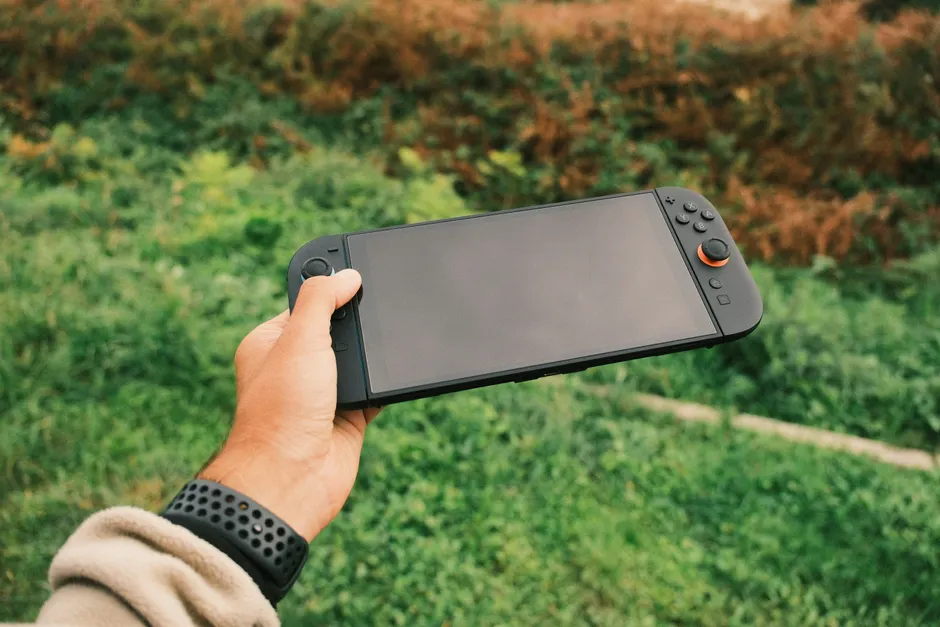
Retroid, a company that makes portable gaming devices, has announced a new handheld called the Pocket Nova. It features a special display and a powerful processor, according to NotebookCheck (published 22 June 2026).
The processor is particularly noteworthy. It uses Qualcomm's Snapdragon 8 Gen 2, a chip that powered top-end phones back in 2022. Most handheld gaming devices don't use processors this powerful — they typically use older, less capable chips. The Snapdragon 8 Gen 2 runs games smoothly and uses battery power efficiently. For playing classic games through emulation (running old games on new hardware), this processor handles the work well.
The screen is equally important. It's shaped in a 4:3 ratio — that means it's taller and narrower than a typical TV or monitor. Why does this matter? Classic gaming systems like the Nintendo Entertainment System, Super Nintendo, Game Boy, and original PlayStation all displayed games in this same shape. When you stretch older games to fit a wider screen, they look stretched and distorted. A 4:3 screen avoids that problem. The display also uses OLED technology, which means each pixel produces its own light. This creates perfect black levels — important for classic games that have dark borders around the actual game image — and keeps fast-moving action sharp and clean.
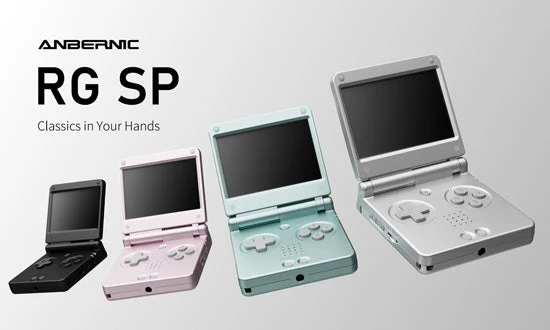
Retroid has become popular among people who love retro gaming and want to play old games on modern hardware. The company competes with other handheld makers like Anbernic and Ayaneo. The Pocket Nova seems aimed at people who want a high-quality screen without the extra cost or size of other premium options.
The Snapdragon 8 Gen 2 is several years old now, but that's actually good news. Older chips become cheaper to manufacture over time, which means Retroid can build an affordable device without cutting corners on performance. This same approach has worked before — companies have used older phone processors in budget handhelds for years after those chips stopped being used in new phones.
The company hasn't announced the price or exact release date yet. That information will be crucial in determining whether the Pocket Nova becomes a popular device or stays mainly interesting to enthusiasts. For now, the combination of a 4:3 OLED screen and powerful processing sets a new standard other handheld makers will likely try to match.