How a Battery Company Is Bypassing Years of Grid Delays to Power Homes in Illinois
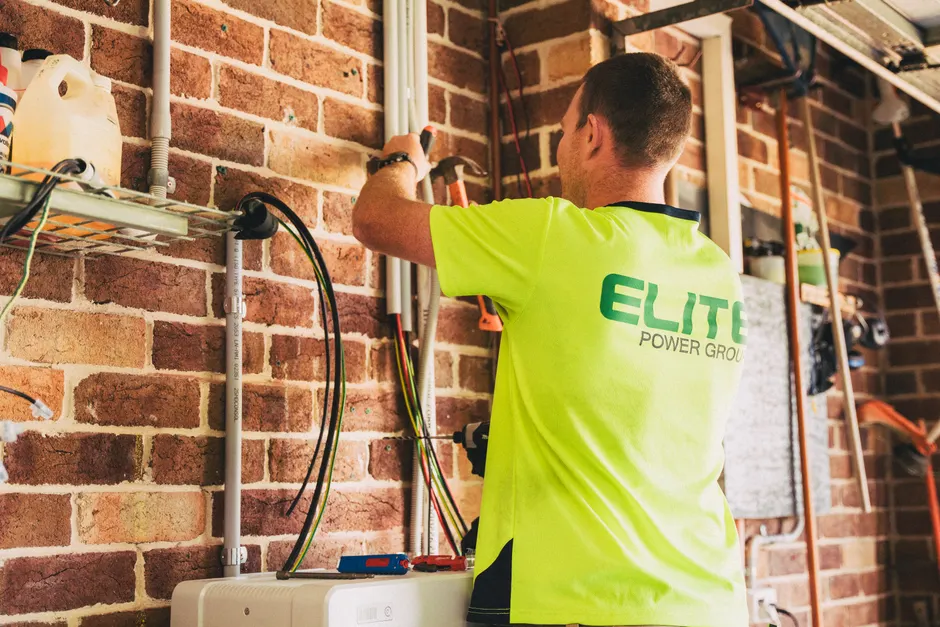
Base Power, an Austin-based startup, just installed battery systems in northern Illinois — marking its first expansion outside Texas. The company places batteries in people's homes, providing backup power when the grid fails while selling the stored electricity back to the utility company.
What makes this move noteworthy is how Base Power sidestepped a major regulatory bottleneck. In most places, connecting a large storage project to the power grid takes years of paperwork and study. Base Power avoided that entirely by operating as a retail electricity provider — essentially the same business model as an electric company that sells you power. This allows their home batteries to be treated as customer equipment rather than grid infrastructure, so they skip the long approval queue.
The arrangement benefits both sides. Homeowners get a battery system installed for a monthly fee, with the security of backup power during outages. Base Power keeps the right to use that stored energy in the wholesale electricity market, generating revenue from sales. The company pays for the hardware and maintenance, which lifts a major cost burden from homeowners.
Who Is Funding This
Base Power is led by Zach Dell, son of Dell Technologies founder Michael Dell. According to Reuters in October 2025, the company raised $1 billion in its latest funding round, led by a firm called Addition. The venture capital firm Andreessen Horowitz also participated, giving Base Power unicorn status — a valuation above $1 billion.
That money matters because installing batteries in thousands of homes is expensive in ways that most online software businesses are not. You have to build and ship hardware, install it safely, and maintain it over years. The $1 billion raise tells us investors believe the business model works at scale.
Why the Illinois Power Grid Matters
PJM is the electric grid operator serving roughly 65 million people across 13 states and Washington, D.C. It is the largest power market in the United States by total electricity demand. Right now, that grid is under real stress. More data centers, factories, and electric vehicle chargers are plugging in faster than new power plants can be built. The grid needs flexible sources of power it can tap quickly.
A network of home batteries scattered across a region, if coordinated properly, can act like a single large power plant — except one that already exists and doesn't require years to build. Base Power's batteries can be told to discharge electricity into the grid at peak demand times, easing that pressure.
The interconnection queue is the crux here. PJM's official queue of projects waiting for grid connection holds over 3,000 proposals as of recent counts. Median wait times now exceed three years. For a storage company, that delay means years of lost revenue. By staying on the customer side of the meter and holding a retail license, Base Power accesses the same electricity markets without waiting in that queue.
The Regulatory Question Ahead
This approach is not new — other companies are trying similar ideas — and grid regulators are paying close attention. When many distributed batteries move energy into the grid, the distinction between a retail electricity provider and an actual power generator becomes blurry. Existing rules did not account for this gray zone.
The Federal Energy Regulatory Commission did issue Order 2222 to let individual grid operators, including PJM, accept aggregated home batteries and solar panels as grid resources. But each grid operator is writing its own rules. PJM's rulebook for this is still being finalized, and it is unclear whether Base Power's retail-license structure will remain a clean fit as its fleet grows. That friction is something the company will likely face as it expands.
Base Power cut its teeth in Texas, where deregulation has embedded retail power competition into the grid for decades. Illinois and the PJM territory work under different rules and different incumbents. Transplanting a Texas playbook is not automatic — but the retail license gives Base Power a faster path to customers than waiting out the interconnection queue would allow.