Reformation Inc. Is Going Public: What That Means and What We Don't Know Yet
Reformation Inc. Is Going Public: What That Means and What We Don't Know Yet
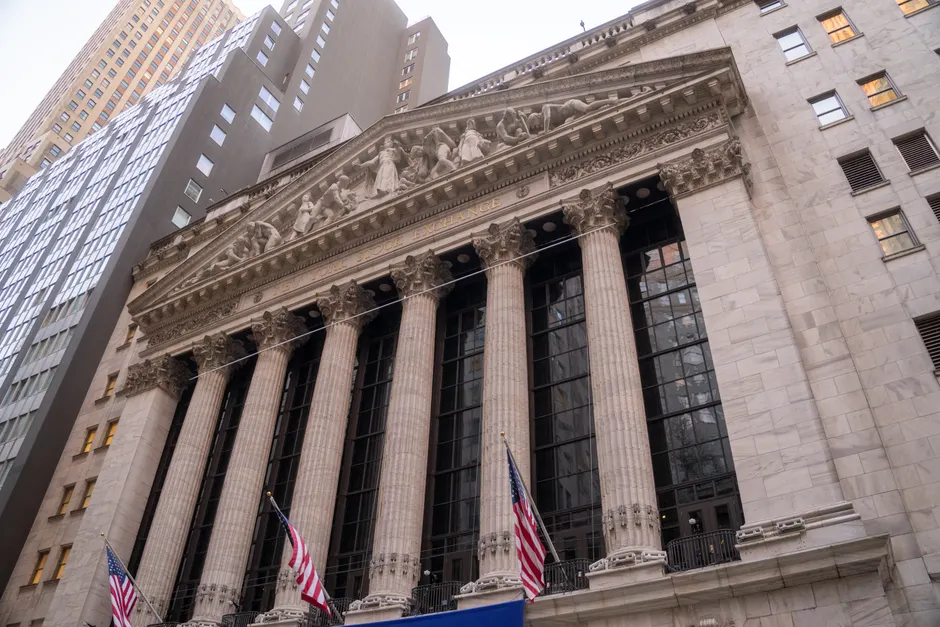
Reformation Inc. filed to become a publicly traded company on June 25, 2026. The company wants to list on the New York Stock Exchange under the ticker REF, according to its S-1 registration statement filed with the SEC.
When a company "goes public," it sells shares to the general investing public for the first time. This is called an initial public offering, or IPO. It's how private companies raise capital while giving founders, early investors, and employees a way to cash out or diversify their holdings.
The Bankers Running This Deal
J.P. Morgan and Morgan Stanley are the lead underwriters — the banks managing the sale and marketing the shares to investors. These are two of Wall Street's largest investment banks. Their size and reach matter. When you pair the two biggest players in this business, it usually signals the company expects strong demand from big institutional investors like pension funds and mutual funds. The bank pairing also gives the company maximum reach across different types of buyers.
What the Filing Tells Us (and What It Doesn't)
The registration statement shows Reformation's revenue is growing. That's the headline number from the filing. But the document does not yet include a price range for the shares or how many shares the company plans to sell. Both are normal omissions at this early stage.
Those figures will come later, after the underwriters have had conversations with potential big investors to test appetite. Once they have a sense of demand, J.P. Morgan and Morgan Stanley will file an amended document — called an S-1/A — that includes a price per share and the total number of shares available.
Growing revenue matters because it shapes who gets interested in buying the shares. Growth-focused investors tend to bid more aggressively for companies showing strong top-line expansion. They will dominate the early conversations. Value investors — those hunting for a bargain — typically sit tight until the company releases earnings guidance and the market settles on a valuation multiple (essentially, a price-to-earnings ratio that tells you what investors are willing to pay for each dollar of profit).
What's absent from the filing is just as important. We do not yet know how much profit Reformation makes, its gross margins (the percentage of revenue left after the direct costs of making products), whether a small number of customers account for most revenue, or how the company manages its cash needs. These details matter enormously to institutional investors trying to decide whether the stock is worth buying. Until a price range emerges, any share prices you see quoted in the market are guesses, not anchors.
Why the NYSE, Not Nasdaq?
Reformation chose to list on the New York Stock Exchange rather than Nasdaq. Most fast-growing technology and consumer companies default to Nasdaq. An NYSE choice is a mild signal — though not a sure thing — that the company's investor relations team expects a more traditional, institutional investor base. It may also reflect where the company sees its natural peer group sitting.
What Happens Next
The SEC now reviews the filing. The agency typically sends back questions within 30 days. Companies usually need one or two rounds of changes before receiving the go-ahead to start selling shares.
From the initial filing date to the first day of trading, the typical timeline for mid-to-large IPOs runs eight to twelve weeks. That clock moves faster or slower depending on how busy the SEC is, market conditions, and how well-prepared the initial filing is.
Here's what actually matters: the window between filing and pricing is where deals succeed or fail. The registration statement is the starting gun. But whether Reformation gets the price its bankers hope for — and whether the aftermarket holds — depends on what happens during the roadshow, when underwriters pitch the company to institutional investors. Market conditions on that day, and investor appetite then, will determine the outcome far more than the paperwork does.


