Gold Just Dropped—Here's Why, and Why It Matters
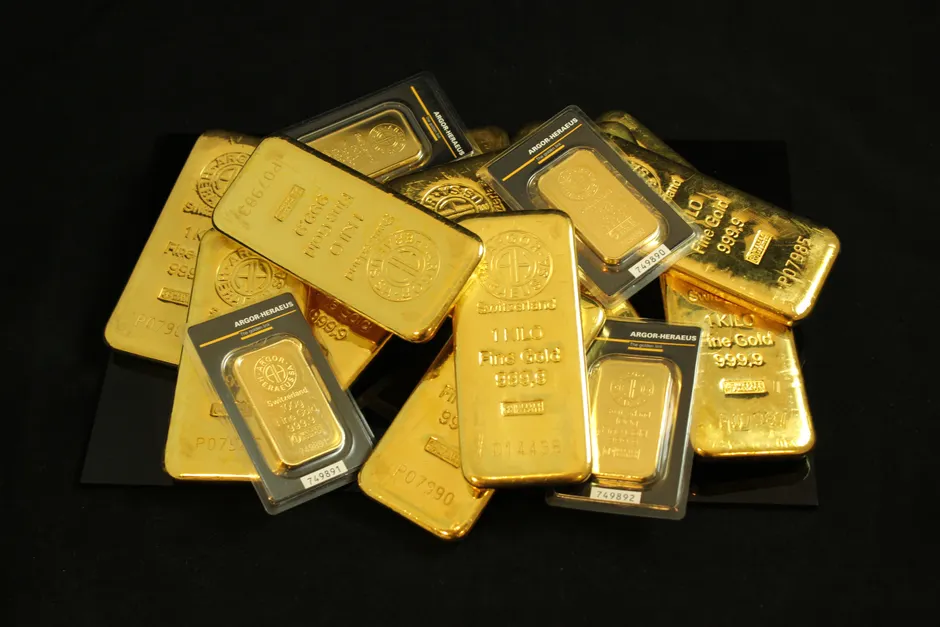
Gold fell below $4,100 per ounce in late June 2026 as a sharp stock market decline forced large investment funds to sell off valuable holdings to cover losses, according to Bloomberg. The timing exposed an awkward truth: when stock markets panic, investors dump everything they own that can be sold quickly—including gold.
Gold is often called a "safe haven" asset, which sounds like a place to hide your money when stocks fall. But the current drop shows that label has a catch. When big funds face large losses on stocks, they need cash fast to cover borrowed money (called margin calls) and to give money back to investors asking for it. Gold gets sold not because it is risky, but because it is easy to convert to cash quickly and people will buy it.
Gold had already dropped from its peak earlier, in October 2025, when better news on trade talks between the US and China cooled investor fears. That decline was straightforward: fewer worries about geopolitical risk meant less demand. This June drop is different. It is not about better news or calmer geopolitics. It is simply about funds needing cash right now.
How Gold Got to $4,000 in the First Place
Gold did not jump to $4,000 overnight. It climbed in stages. Throughout 2024, the metal gained 27% in value, per The Wall Street Journal, as central banks in emerging markets began buying more gold. These countries were diversifying their reserves—moving away from holding so much US dollar cash. This steady demand from major institutions kept prices supported even though interest rates stayed high.
Then in early October 2025, two crises hit at once: the US government shut down, and France faced a political emergency. Both events made investors nervous about stability. Suddenly, the desire to own gold as protection spiked. Gold reached $4,000 for the first time on 6 October and broke above it two days later, Bloomberg reported. The milestone was symbolic, but something deeper was happening: the buying had become self-reinforcing.
Once gold started climbing, professional traders who profit from momentum jumps in, hedge funds pile in, and options traders add more buying. All of that buying pressure feeds itself, pushing prices higher faster. When sentiment shifts, that same momentum reverses just as sharply.
What Forecasts Said—and What Has to Happen Now
In October 2025, Goldman Sachs analysts predicted gold would reach $4,900 per troy ounce by the end of 2026, per the WSJ. That forecast was based on the idea that central banks would keep buying and that countries would keep moving money away from dollars. With gold now around $4,100 and half the year left, hitting $4,900 would require a climb of more than 19%.
Has anything changed that would break that story? Not really. Central banks still need gold. Mine production is still limited. The long-term reasons central banks want to diversify away from dollars have not gone away. What has changed is the crowd of short-term traders now holding large long bets. When stocks sold off sharply, those traders had to get out fast.
This reveals a pattern that happens again and again: when too much speculative money piles into gold all at once and then a crisis hits, gold acts like a risky asset instead of a safe one. Investors who bought gold to protect themselves from stock crashes are now watching it fall during a stock crash. That feels backward—and it usually does not last. Once the forced selling stops, gold typically settles back into its role as a hedge. But nobody knows exactly when.
For now, the drop has created two different outlooks. Investors with a long view might see a buying opportunity. Traders who bought near $4,100 betting on a quick profit are in an uncomfortable spot. Whether gold actually reaches Goldman's $4,900 target by year-end will come down to two things: whether central banks keep buying and whether the dollar weakens as the US government faces mounting fiscal pressure.


