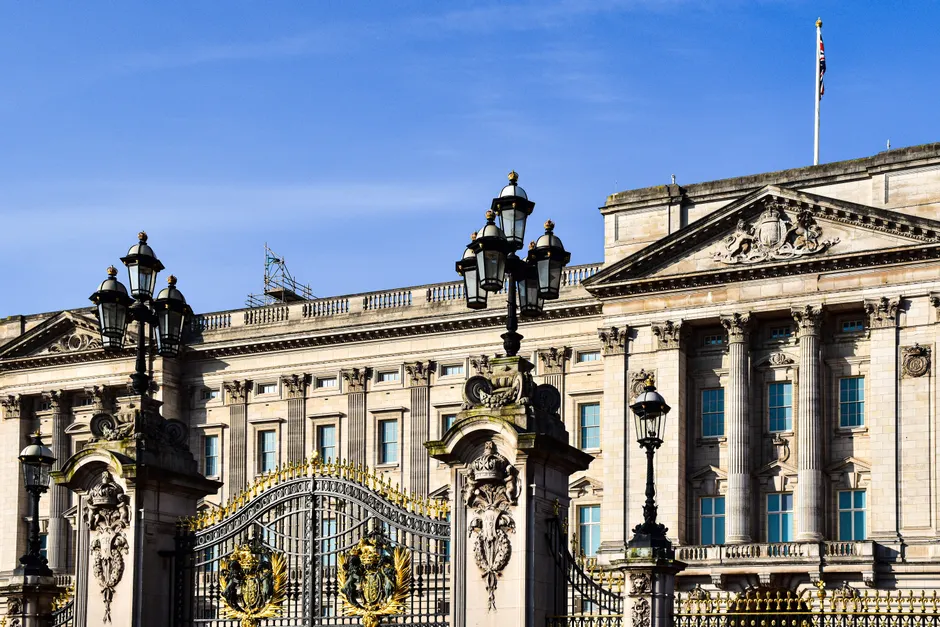
King Charles Has Paid Over £30 Million in Taxes—Here's Why That Matters
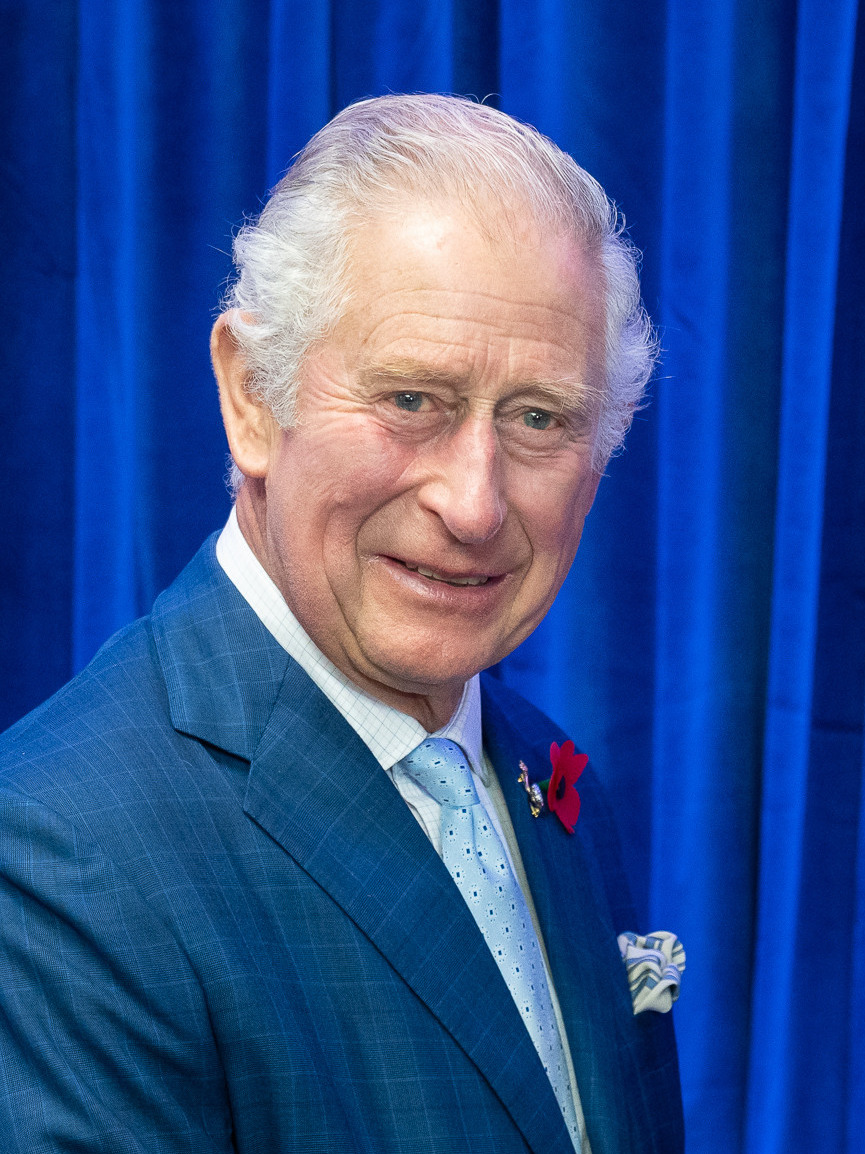
King Charles Has Paid Over £30 Million in Taxes—Here's Why That Matters
Buckingham Palace announced in June 2026 that King Charles III has paid more than £30 million in taxes since he became king in September 2022. The Palace shared this number on its financial reports page.
You might be surprised to learn that the King pays taxes at all. For most of history, the reigning monarch didn't have to. But in 1993, that changed. After a fire damaged Windsor Castle, public anger about royal spending grew. John Major's government and Buckingham Palace made a deal: from then on, the King would pay income tax and capital gains tax like other wealthy people. This agreement isn't written into law—it's based on an understanding between the Palace and the tax authorities. That means a future government could technically change it, though no one has tried so far.
So why is £30 million worth talking about? Because it's real money, and now the Palace has said it out loud. For years, royal finances were private and hard to understand. This number gives us something concrete to measure against—a starting point for public conversation.
But there's another side to the picture. Every year, the King gets £86.3 million from the government (this year's amount stayed the same as last year). This money, called the Sovereign Grant, pays for things like keeping the royal palaces in good condition and paying for official royal travel. The King's taxes come from his personal wealth, mostly from an estate called the Duchy of Lancaster, which made about £24 million in 2023–24.
Here's what matters: the Palace is pointing to the £30 million tax payment alongside the £86.3 million grant to show that the overall cost of the monarchy isn't as high as it looks. But these two numbers fund different things. The grant covers official royal duties. The taxes come from the King's own income.
There's also something important the Palace didn't mention: when money and property pass from one monarch to the next, there's no inheritance tax. Normally, if your estate is worth a lot, your heirs have to pay 40% tax on anything above a certain amount. The King didn't have to pay that when he inherited from Queen Elizabeth II. That exemption stays in place.
The bigger picture here is that the King has now put a number on what he pays in taxes—a step toward being more open about royal finances. That's a change from the past, when everything about the monarchy's money stayed behind closed doors. But the current system still runs on voluntary agreements rather than laws, and big exemptions still exist, especially when it comes to inheritance. These questions about fairness and openness aren't settled by one number, even a big one.