This New PS5 Controller Has a Screen That Changes Settings

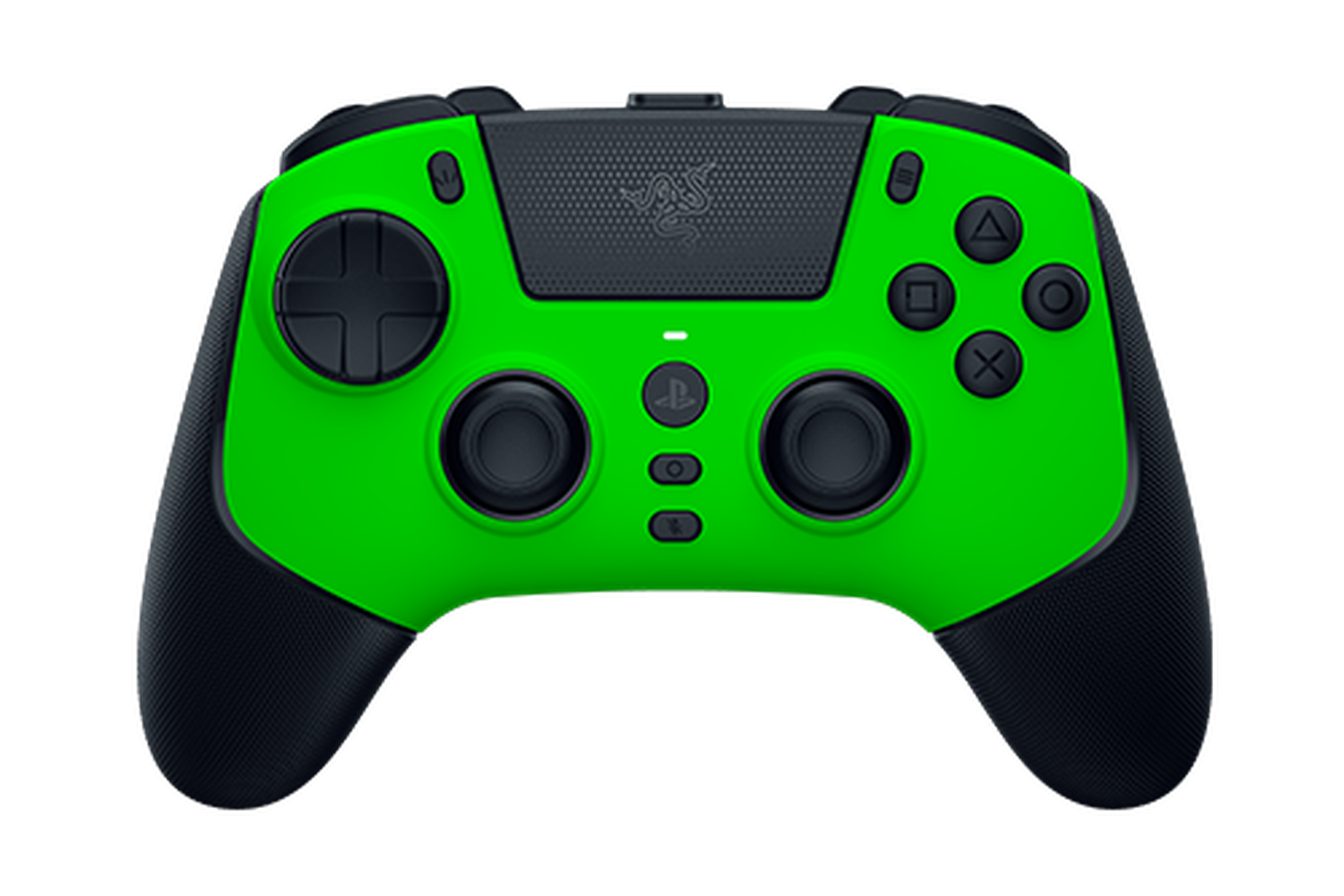
Nacon has announced the Revolution 5 Unlimited, a wireless PlayStation 5 controller with a small screen built in. It costs $229.99 to preorder from Nacon's online store. The Verge
Nacon says it is the world's first officially licensed PS5 controller with a built-in screen. That claim is only about licensed PS5 controllers with a display, not about all third-party controllers.
The screen is for use, not for decoration. It lets you change stick sensitivity and give buttons new jobs, right on the controller. Settings stay saved on the controller. You can tune it without stopping play to open software elsewhere.
The screen also controls sound. It can mix sound from more than one source, so phone music and game sound play together through wired headphones plugged into the controller. You control the balance on the controller, not in phone or console menus. It works like a small sound board for your ears.
The two sticks sit at different heights. They use TMR, short for tunneling magnetoresistance, which senses magnets instead of using parts that rub. That removes the wear that causes stick drift in standard potentiometer designs. Nacon describes them as drift-resistant.
It works with PS5, PC, and Android. Nacon also has an iOS and Android app to change stick response curves, sound EQ profiles, and the color light on the right stick. The app and the screen are two ways to change the same settings.
Looking at what this means for players who like to adjust things, the change is about speed. Pro-style controllers often offer response curves, dead-zone tuning, remapping, and sound presets through an app. Putting some of those choices on the controller makes them quicker to change between rounds.
In my view, the sound mixing is as useful as the screen. Many players already listen to music, podcasts, or chat from a second device while they play. Mixing that sound through the controller keeps volume close at hand and avoids console menus, where background sound control is still limited.
The broader context here is how long controllers last. Drift is the fault players notice first. Using magnetic sensing instead of carbon-film parts that wear down should reduce that wear. TMR is newer than a similar magnetic method called Hall effect, but the goal is the same. At this price, buyers will expect that protection to last over time, not only at first.
Worth flagging is the tradeoff in extra features. The offset stick layout fits some players and not others. A screen is useful but uses more power, needs more software, and must survive drops, travel, and long sessions. It will pay off if on-device tuning becomes a habit, not a novelty.
What this enables, if it works well, is a controller that remembers your setup. Tuning, button jobs, light, sound, and mix can travel with you across PS5, PC, and Android. That helps players who switch systems often and do not want to set up profiles again.