Utah Judge Penalizes Prosecutors for Breaking Trial Rules in High-Profile Murder Case
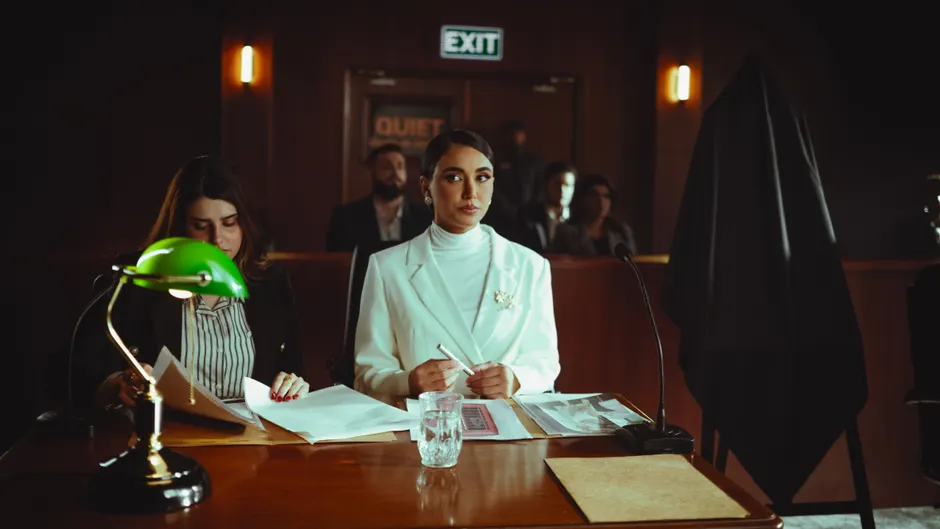
A Utah judge found prosecutors guilty of contempt of court on June 26, 2026, for breaking a rule meant to keep the trial fair. The prosecutors made public statements about Tyler Robinson, who is accused of killing conservative commentator Charlie Kirk. The ruling, reported by Reuters and CNN, complicates an already heavily watched criminal case.
What is a gag order, and why does it matter?
The judge had issued a "gag order" — a court rule that tells lawyers not to make public comments about a case — back in September, then updated it in December, according to CNN. These orders are common in high-profile cases. The idea is simple: when a case gets massive media coverage, potential jurors hear so much about it that they may form opinions before the trial even starts. A gag order tries to prevent that by limiting what lawyers can say in public.
Think of it like this. A jury needs to decide a case based on evidence presented in court, not on what they've already heard on the news. When prosecutors talk publicly about the accused person before trial, those comments can poison the jury pool — make it nearly impossible to find jurors with open minds.
Because the judge had already changed the gag order once before the prosecutors broke it, the judge likely made clear what was expected. That makes it harder for the prosecution to claim they were confused.
Why is a contempt ruling against prosecutors unusual?
Finding prosecutors guilty of contempt — essentially, disrespect to the court — is not common. But when it happens, it carries real consequences. The judge now has leverage. Future violations could bring tougher penalties. In extreme cases, prosecutorial misconduct can become grounds to challenge a conviction in an appeals court.
The ruling also shifts power in the courtroom. The defense team now has a recorded complaint about the state's conduct. They can use this in their legal arguments both during trial and, if Robinson is convicted, when they appeal.
What does this mean for the trial?
This ruling does not say whether Robinson is guilty or innocent. It does not address what actually happened to Charlie Kirk. What it does is create a problem for the prosecution: the judge has publicly criticized them. From this point forward, every move they make will be watched even more carefully. Juries in high-profile cases are already difficult to seat. A judge's public rebuke of the prosecution makes that job harder still.
The broader context here matters. Defense lawyers in famous cases routinely watch for prosecutors overstepping because those mistakes can help at sentencing or on appeal. The prosecution's failure to follow its own court order, even after the order was amended once already, looks like a management failure — and now it is formalized on the record.
Kirk's status as a prominent political figure has kept this case in the national spotlight since Robinson's arrest. The gag order exists precisely to manage that kind of attention. That the prosecution broke the order suggests they could not control what people in their office said publicly.
The case continues in Utah. Whether this contempt ruling leads to further punishment, changes in personnel at the prosecutor's office, or affects other legal motions remains unclear as of June 27, 2026.


