Elon Musk Buys Optical Networking Company—Here's Why It Matters
Elon Musk's acquisition of a startup called Mesh Optical Technologies won regulatory approval from the Federal Trade Commission on June 25, 2026, moving quickly through the approval process with no significant concerns raised. The deal, reported first by Bloomberg and confirmed by Yahoo Finance, sailed through using an expedited regulatory pathway reserved for deals with minimal competition overlap.
Mesh is a company founded by engineers who previously worked at SpaceX. The startup has developed a product called the Alpha C1, and it raised $50 million in funding from an investment firm called Thrive Capital. That funding gave Mesh enough resources to build and begin selling its technology.
Why does a startup's funding source matter. Thrive Capital typically backs software and consumer internet companies like OpenAI, Stripe, and Instagram. A hardware-focused optical networking company is unusual for this firm, which signals that Mesh's founders likely built something genuinely novel—not just another me-too product from people with good résumés.
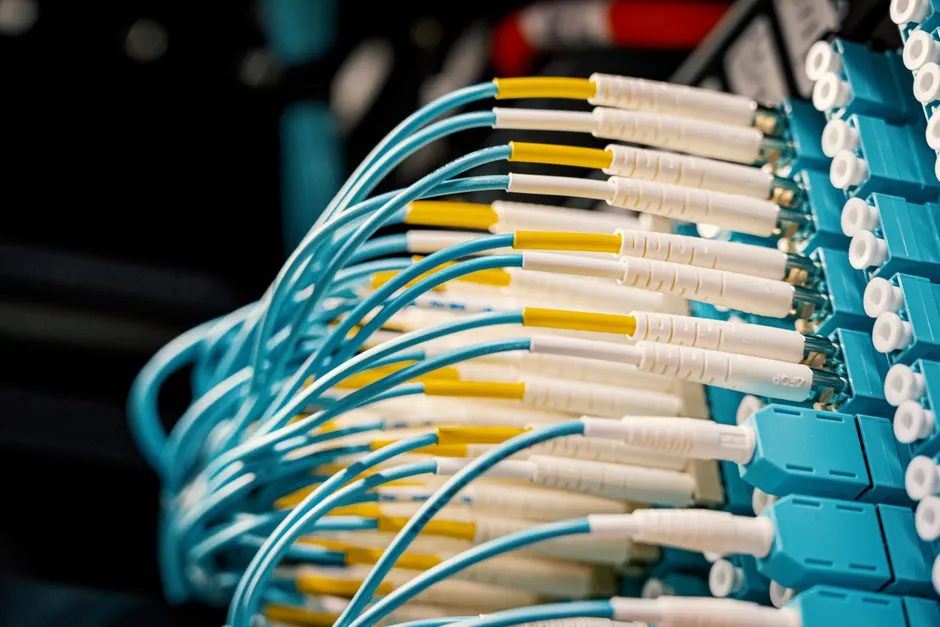
Mesh's technology involves laser-based communication links that allow satellites to talk to each other without routing signals through ground stations. This is the kind of system SpaceX already uses in its Starlink satellites. The exact application of Mesh's Alpha C1 product hasn't been publicly confirmed, but the engineering background of its founders points clearly toward high-speed data movement—a problem that matters for satellites, data centers, and military communications.
What this acquisition means for Musk's empire is worth thinking through. SpaceX already operates the satellites themselves and the ground stations where they connect to the internet. Musk also owns X (formerly Twitter), which is a platform for delivering content to people, and xAI, which runs artificial intelligence systems that need very fast network connections to work well. By acquiring a company that specializes in optical networking, Musk gains a supplier for the high-speed links that connect these pieces together. Whether he will use it that way has not been announced.
The regulatory approval process is also telling. The FTC's decision to fast-track this deal without deeper review suggests that Mesh's technology doesn't directly compete with any of Musk's existing businesses in ways that concern regulators. This makes sense—Mesh is still a very young company that has only raised a first round of funding, so its revenue is likely small.
The purchase price and other terms of the deal remain private. For a company at Mesh's stage, any price Musk paid above its initial $50 million funding would represent a reasonable investment. The real bet is whether Mesh's optical technology works better than competing systems. If it does, the strategic value—what the technology enables—could far exceed what Musk paid for it.


