Senator Defies Trump on Iran War, Says He Was Berated in Meeting
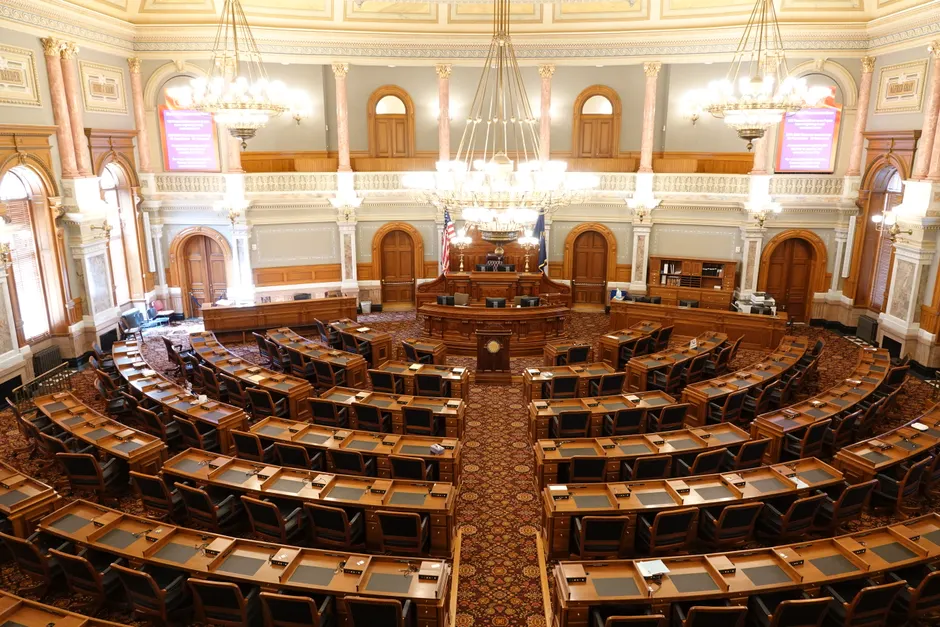
Senator Bill Cassidy, a Republican from Louisiana, announced on June 28, 2026 that he supported a measure to stop U.S. military action against Iran. He also revealed that he had gotten into a heated argument with President Trump at a White House meeting about it.
What Happened in the Senate Vote
On June 23, 2026, the Senate passed a resolution asking the President to end military operations against Iran. Reuters reported that both Republicans and Democrats voted for it. The Trump administration said it would not follow the order, and the President is almost certain to reject it with a veto (a power that lets him cancel the resolution).
Cassidy surprised many by supporting the measure. Just before the vote, he had told a Trump aide, Steve Witkoff, that he might change his mind. The White House thought they could convince him. Instead, Cassidy went the opposite direction and voted for the resolution anyway. CBS News reported this on June 25.
The Confrontation
Cassidy revealed something more startling: Trump had yelled at senators at the White House meeting held to convince them to vote against the resolution. "I'm not there to be berated," Cassidy told Margaret Brennan on CBS Face the Nation. CBS News reported his comment. A separate report confirmed that Cassidy and Trump got into a heated argument, with both men raising their voices.
Why does this matter? When a Republican senator publicly says the Republican President yelled at him, it signals a real problem in their working relationship. It also sends a signal to other Republican senators about what might happen if they defy the President.
Why Cassidy Can Afford to Defy Trump
Cassidy lost the Louisiana Republican primary election in May 2026. NPR reported on May 16 that Trump actively campaigned against Cassidy in that race. Two other Republicans, Julia Letlow and John Fleming, won the primary, which means Cassidy will no longer represent Louisiana after his current term ends.
This is significant because it changed Cassidy's situation. When a senator has already lost an election and won't run again, they don't have to worry about their voters punishing them for opposing the President. Cassidy no longer needs Trump's support or approval to win an election. That freedom likely made it easier for him to vote against the resolution and then speak publicly about his argument with Trump.
Cassidy has done this before. He was one of only seven Republican senators who voted to convict Trump during an impeachment trial in February 2021, after the January 6 Capitol riot. The Louisiana Republican Party punished him for that vote almost immediately. The pattern is clear: Cassidy is willing to take a political hit to follow his conscience, and now that he has lost his primary, the consequences are even smaller.
What Happens Now
Trump will almost certainly veto (reject) the War Powers Resolution. Presidents have been fighting against limits on their war powers since the law was created in 1973. Even if the Senate wanted to override his veto, they would need a two-thirds majority in both chambers of Congress—and they don't have the votes.
The real question is different: what does Cassidy's story do to the loyalty of other Republican senators? Those who still have to win elections are watching. The Trump administration will need Republican votes on Iran policy in the coming months. Whether other senators see Cassidy's move as a cautionary tale or as permission to break away will shape what happens next.


